
Flow Temperatures, Radiators and Real-World Efficiency Explained
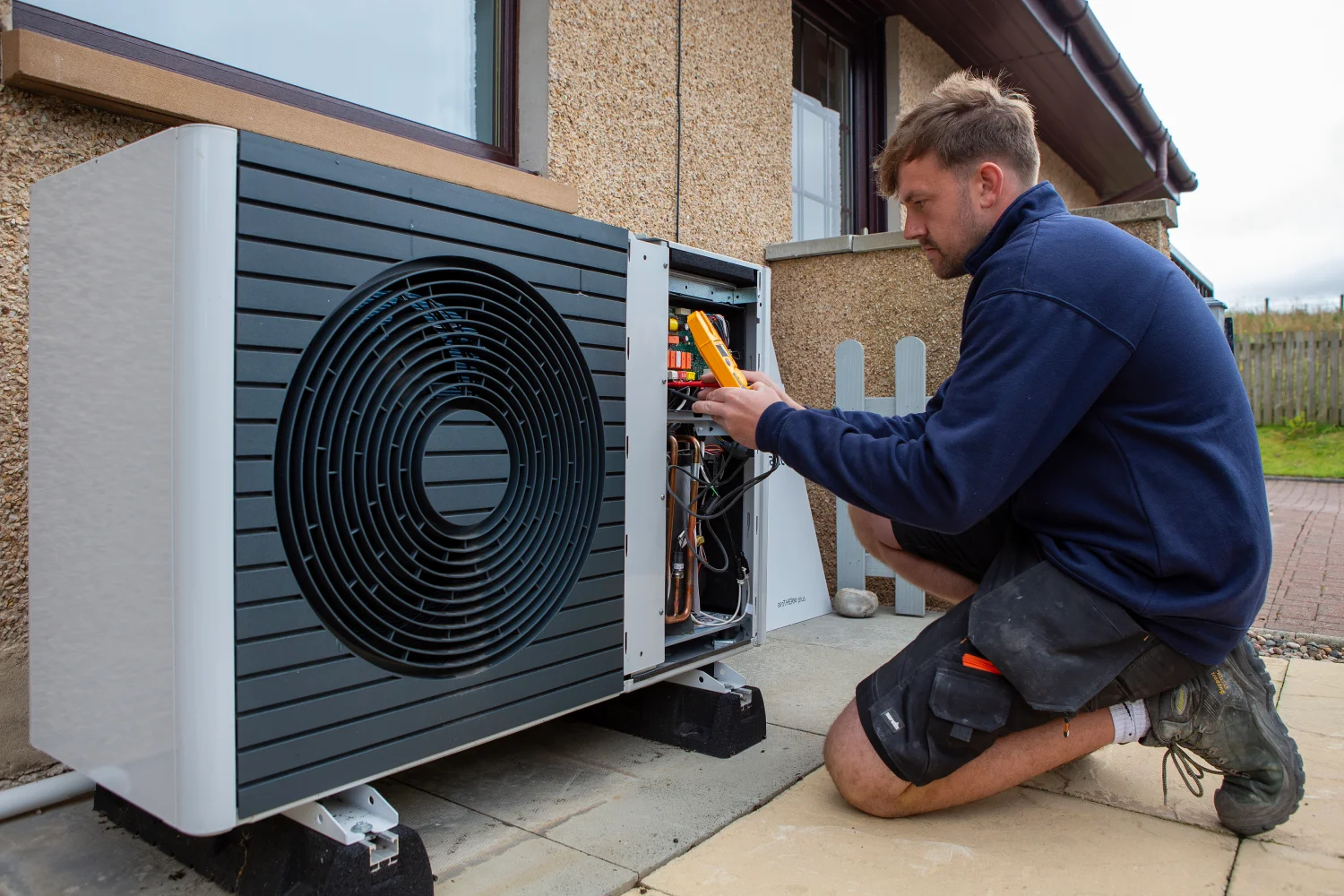
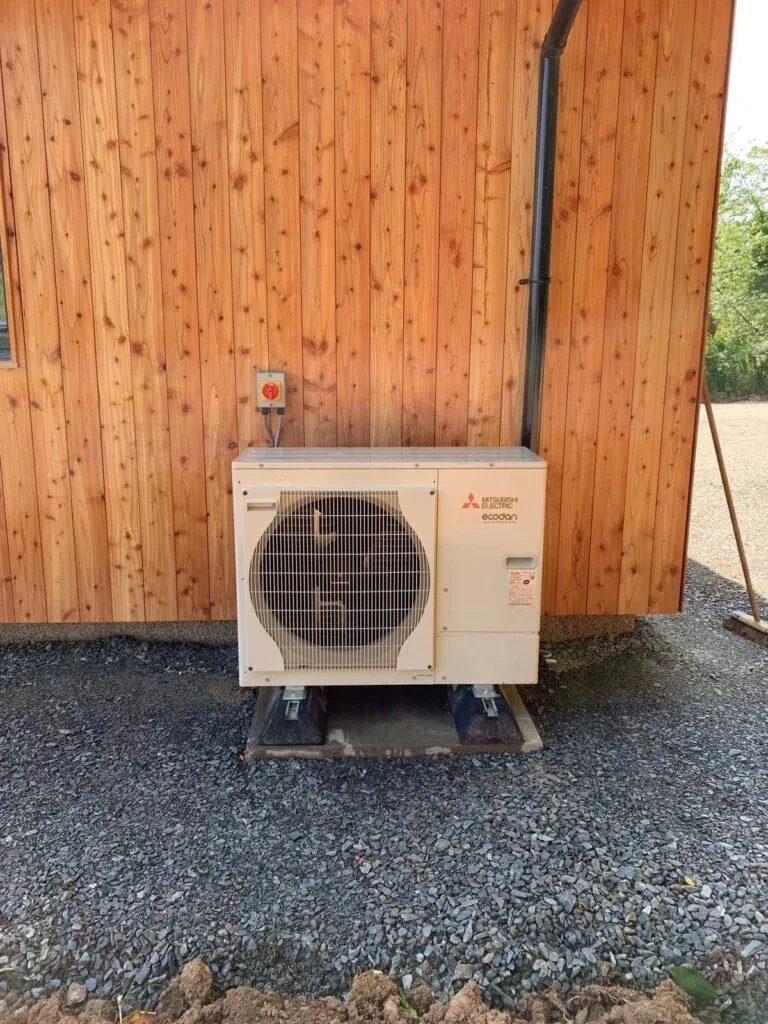
When homeowners start researching heat pumps, the conversation often focuses on the unit installed outside the property.

Why you can trust our content
We know the plumbing and renewable energy industry can feel overwhelming, especially with conflicting advice and outdated information online. That’s why we base everything we do on clarity, expertise, and trusted sources:



At a glance
In reality, the wider heating system inside the home plays an equally important role in overall performance.
Two of the most important elements are flow temperature and radiator sizing. These factors determine how effectively heat is distributed throughout the property and how efficiently the heat pump operates.
Understanding the relationship between these components can help homeowners make informed decisions before installation. Working with an experienced air source heat pump fitter elgin ensures the heating system is designed to support efficient operation from the beginning.
If you are considering a renewable heating upgrade, the Plumbing & Renewables team can provide practical guidance on system design and help you understand how heat pumps work in real homes.
What Is Flow Temperature?
Flow temperature refers to the temperature of the water circulating through the heating system.
This heated water travels from the heat pump through radiators or underfloor heating and then returns to the system to be reheated.
Traditional boiler systems operate with much higher water temperatures. Heat pumps, however, perform best when they run at lower temperatures over longer periods.
This difference is one of the key reasons heat pump systems require careful design.
Why Are Lower Temperatures More Efficient?
Heat pumps extract heat from outdoor air and transfer it into the home. This process becomes more efficient when the system does not need to produce extremely high temperatures.
Operating at lower temperatures allows the heat pump to work more smoothly and maintain steady heating throughout the day.
Benefits of lower flow temperatures include:
- improved energy efficiency
- more consistent indoor comfort
- reduced strain on system components
- quieter system operation
A skilled renewable heating installer elgin will normally design the heating system so that it operates efficiently at these lower temperatures.
How Do Radiators Affect Heat Pump Efficiency?
Radiators play a central role in how heat is distributed throughout the home.
Because heat pumps run at lower temperatures, radiators sometimes need to be slightly larger than those used with traditional boiler systems.
Larger radiators provide a greater surface area for heat to spread into the room. This means the system can maintain comfortable temperatures without increasing the flow temperature.
During installation planning, an experienced air source heat pump fitter elgin will usually review radiator sizes in each room to ensure they are suitable.
Typical Flow Temperatures Compared
The table below highlights how flow temperatures differ between traditional boilers and heat pump systems.
| Heating System | Typical Flow Temperature |
| Gas boiler system | 65 – 75°C |
| Oil boiler system | 60 – 70°C |
| Efficient heat pump system | 35 – 50°C |
Although the temperature is lower, heat pumps can still maintain comfortable indoor conditions because they operate continuously rather than in short bursts.
Do All Radiators Need to Be Replaced?
Not always. Many homes already have radiators that are suitable for lower temperature systems.
However, during the design stage installers often review radiator performance in each room.
Possible outcomes may include:
- keeping existing radiators if they are large enough
- upgrading a few radiators in larger rooms
- installing additional radiators where needed
These adjustments help ensure the system can maintain comfortable temperatures while operating efficiently.
Working with a qualified renewable heating installer elgin ensures these decisions are based on proper calculations rather than guesswork.
If you would like advice about whether your current radiators are suitable for a heat pump system, you can contact the Plumbing & Renewables team for a professional assessment.
What Is Heat Loss and Why Does It Matter?
Heat loss refers to how quickly warmth escapes from a building.
Factors that influence heat loss include:
- insulation levels
- window quality
- wall construction
- property size and layout
When installers calculate heat loss for each room, they can determine how much heat is required to maintain comfortable indoor temperatures.
This information allows them to choose appropriate radiator sizes and flow temperature settings.
Without accurate heat loss calculations, the system may struggle to maintain comfort during colder weather.
Which option best describes your home?
It just takes 2 minutes
And then you can book a free consultation
Example Scenario – Radiator Upgrades in an Elgin Home
Consider a typical semi-detached property in Elgin that is upgrading from an oil boiler to a heat pump.
During the planning stage, installers carried out a heat loss survey for each room. Most radiators were suitable for the new system, but two larger rooms required slightly larger radiators.
Once the upgrades were completed, the heating system could operate at lower temperatures while maintaining consistent warmth.
This example shows how small adjustments can help the heating system run efficiently.
How Does Flow Temperature Affect Running Costs?
Higher flow temperatures generally require the heat pump to work harder. This can reduce efficiency and increase electricity consumption.
Lower temperatures allow the system to operate more smoothly, which supports better efficiency over time.
For homeowners, this means that properly sized radiators and well-balanced heating systems can contribute to stable running costs.
The goal is not simply to install a heat pump but to design the entire system so that it operates efficiently under real-world conditions.
Common Mistakes in Heat Pump System Design
Some installations encounter performance issues because important design steps were skipped.
Common mistakes include:
- keeping undersized radiators
- setting unnecessarily high flow temperatures
- skipping detailed heat loss calculations
- poor balancing of the heating system
These issues can lead to higher energy use and less consistent heating.
An experienced air source heat pump fitter elgin will normally review each of these areas during the planning stage.
What Does a Balanced Heating System Look Like?
A balanced heating system distributes heat evenly throughout the property.
Key characteristics of a well-balanced system include:
- consistent temperatures between rooms
- radiators that warm evenly
- stable heating throughout the day
- minimal temperature fluctuations
Achieving this balance requires careful system design, correct radiator sizing and properly adjusted controls.
When these elements are aligned, the heat pump can operate steadily and efficiently.
Quick Guide to Efficient Heat Pump Heating
Homeowners can support system efficiency by understanding a few simple principles.
Helpful tips include:
- maintaining steady thermostat settings
- avoiding large temperature adjustments
- ensuring radiators are not blocked by furniture
- allowing the system to run consistently during colder weather
These habits allow the heating system to operate smoothly and maintain comfortable indoor conditions.
Final Thoughts
Flow temperature and radiator sizing are two of the most important elements in a successful heat pump installation.
When these factors are carefully planned, the heating system can deliver consistent comfort while operating efficiently. Small design decisions, such as radiator upgrades or correct temperature settings, can have a significant impact on long-term performance.
For homeowners considering renewable heating in Elgin, understanding how these elements work together can help ensure the system performs as expected.
If you would like professional guidance about heat pump system design, the Plumbing & Renewables team can help. Contact our specialists to discuss your property and explore suitable heating solutions.
Related articles

Which option best describes your home?
At a glance
In reality, the wider heating system inside the home plays an equally important role in overall performance.
Two of the most important elements are flow temperature and radiator sizing. These factors determine how effectively heat is distributed throughout the property and how efficiently the heat pump operates.
Understanding the relationship between these components can help homeowners make informed decisions before installation. Working with an experienced air source heat pump fitter elgin ensures the heating system is designed to support efficient operation from the beginning.
If you are considering a renewable heating upgrade, the Plumbing & Renewables team can provide practical guidance on system design and help you understand how heat pumps work in real homes.
What Is Flow Temperature?
Flow temperature refers to the temperature of the water circulating through the heating system.
This heated water travels from the heat pump through radiators or underfloor heating and then returns to the system to be reheated.
Traditional boiler systems operate with much higher water temperatures. Heat pumps, however, perform best when they run at lower temperatures over longer periods.
This difference is one of the key reasons heat pump systems require careful design.
Why Are Lower Temperatures More Efficient?
Heat pumps extract heat from outdoor air and transfer it into the home. This process becomes more efficient when the system does not need to produce extremely high temperatures.
Operating at lower temperatures allows the heat pump to work more smoothly and maintain steady heating throughout the day.
Benefits of lower flow temperatures include:
- improved energy efficiency
- more consistent indoor comfort
- reduced strain on system components
- quieter system operation
A skilled renewable heating installer elgin will normally design the heating system so that it operates efficiently at these lower temperatures.
How Do Radiators Affect Heat Pump Efficiency?
Radiators play a central role in how heat is distributed throughout the home.
Because heat pumps run at lower temperatures, radiators sometimes need to be slightly larger than those used with traditional boiler systems.
Larger radiators provide a greater surface area for heat to spread into the room. This means the system can maintain comfortable temperatures without increasing the flow temperature.
During installation planning, an experienced air source heat pump fitter elgin will usually review radiator sizes in each room to ensure they are suitable.
Typical Flow Temperatures Compared
The table below highlights how flow temperatures differ between traditional boilers and heat pump systems.
| Heating System | Typical Flow Temperature |
| Gas boiler system | 65 – 75°C |
| Oil boiler system | 60 – 70°C |
| Efficient heat pump system | 35 – 50°C |
Although the temperature is lower, heat pumps can still maintain comfortable indoor conditions because they operate continuously rather than in short bursts.
Do All Radiators Need to Be Replaced?
Not always. Many homes already have radiators that are suitable for lower temperature systems.
However, during the design stage installers often review radiator performance in each room.
Possible outcomes may include:
- keeping existing radiators if they are large enough
- upgrading a few radiators in larger rooms
- installing additional radiators where needed
These adjustments help ensure the system can maintain comfortable temperatures while operating efficiently.
Working with a qualified renewable heating installer elgin ensures these decisions are based on proper calculations rather than guesswork.
If you would like advice about whether your current radiators are suitable for a heat pump system, you can contact the Plumbing & Renewables team for a professional assessment.
What Is Heat Loss and Why Does It Matter?
Heat loss refers to how quickly warmth escapes from a building.
Factors that influence heat loss include:
- insulation levels
- window quality
- wall construction
- property size and layout
When installers calculate heat loss for each room, they can determine how much heat is required to maintain comfortable indoor temperatures.
This information allows them to choose appropriate radiator sizes and flow temperature settings.
Without accurate heat loss calculations, the system may struggle to maintain comfort during colder weather.
Which option best describes your home?
It just takes 2 minutes
And then you can book a free consultation
Example Scenario – Radiator Upgrades in an Elgin Home
Consider a typical semi-detached property in Elgin that is upgrading from an oil boiler to a heat pump.
During the planning stage, installers carried out a heat loss survey for each room. Most radiators were suitable for the new system, but two larger rooms required slightly larger radiators.
Once the upgrades were completed, the heating system could operate at lower temperatures while maintaining consistent warmth.
This example shows how small adjustments can help the heating system run efficiently.
How Does Flow Temperature Affect Running Costs?
Higher flow temperatures generally require the heat pump to work harder. This can reduce efficiency and increase electricity consumption.
Lower temperatures allow the system to operate more smoothly, which supports better efficiency over time.
For homeowners, this means that properly sized radiators and well-balanced heating systems can contribute to stable running costs.
The goal is not simply to install a heat pump but to design the entire system so that it operates efficiently under real-world conditions.
Common Mistakes in Heat Pump System Design
Some installations encounter performance issues because important design steps were skipped.
Common mistakes include:
- keeping undersized radiators
- setting unnecessarily high flow temperatures
- skipping detailed heat loss calculations
- poor balancing of the heating system
These issues can lead to higher energy use and less consistent heating.
An experienced air source heat pump fitter elgin will normally review each of these areas during the planning stage.
What Does a Balanced Heating System Look Like?
A balanced heating system distributes heat evenly throughout the property.
Key characteristics of a well-balanced system include:
- consistent temperatures between rooms
- radiators that warm evenly
- stable heating throughout the day
- minimal temperature fluctuations
Achieving this balance requires careful system design, correct radiator sizing and properly adjusted controls.
When these elements are aligned, the heat pump can operate steadily and efficiently.
Quick Guide to Efficient Heat Pump Heating
Homeowners can support system efficiency by understanding a few simple principles.
Helpful tips include:
- maintaining steady thermostat settings
- avoiding large temperature adjustments
- ensuring radiators are not blocked by furniture
- allowing the system to run consistently during colder weather
These habits allow the heating system to operate smoothly and maintain comfortable indoor conditions.
Final Thoughts
Flow temperature and radiator sizing are two of the most important elements in a successful heat pump installation.
When these factors are carefully planned, the heating system can deliver consistent comfort while operating efficiently. Small design decisions, such as radiator upgrades or correct temperature settings, can have a significant impact on long-term performance.
For homeowners considering renewable heating in Elgin, understanding how these elements work together can help ensure the system performs as expected.
If you would like professional guidance about heat pump system design, the Plumbing & Renewables team can help. Contact our specialists to discuss your property and explore suitable heating solutions.