
Heat Pump Finance vs Solar Investment: Which Pays Back Faster?
Renewable technology is becoming increasingly popular as homeowners look for ways to improve energy efficiency and reduce reliance on traditional fuels.

Why you can trust our content
We know the plumbing and renewable energy industry can feel overwhelming, especially with conflicting advice and outdated information online. That’s why we base everything we do on clarity, expertise, and trusted sources:


At a glance
Two of the most common upgrades people consider are installing a heat pump or investing in solar panels.
Both technologies can reduce energy bills and improve the environmental performance of a property. However, they serve different purposes and involve different financial considerations.
One common question homeowners ask is whether it is better to finance a heat pump installation or invest in solar panels first. Understanding the potential payback and long term benefits of each option can help guide that decision.
How Do Heat Pumps and Solar Panels Differ?
Although both technologies fall under the renewable energy category, they work in different ways.
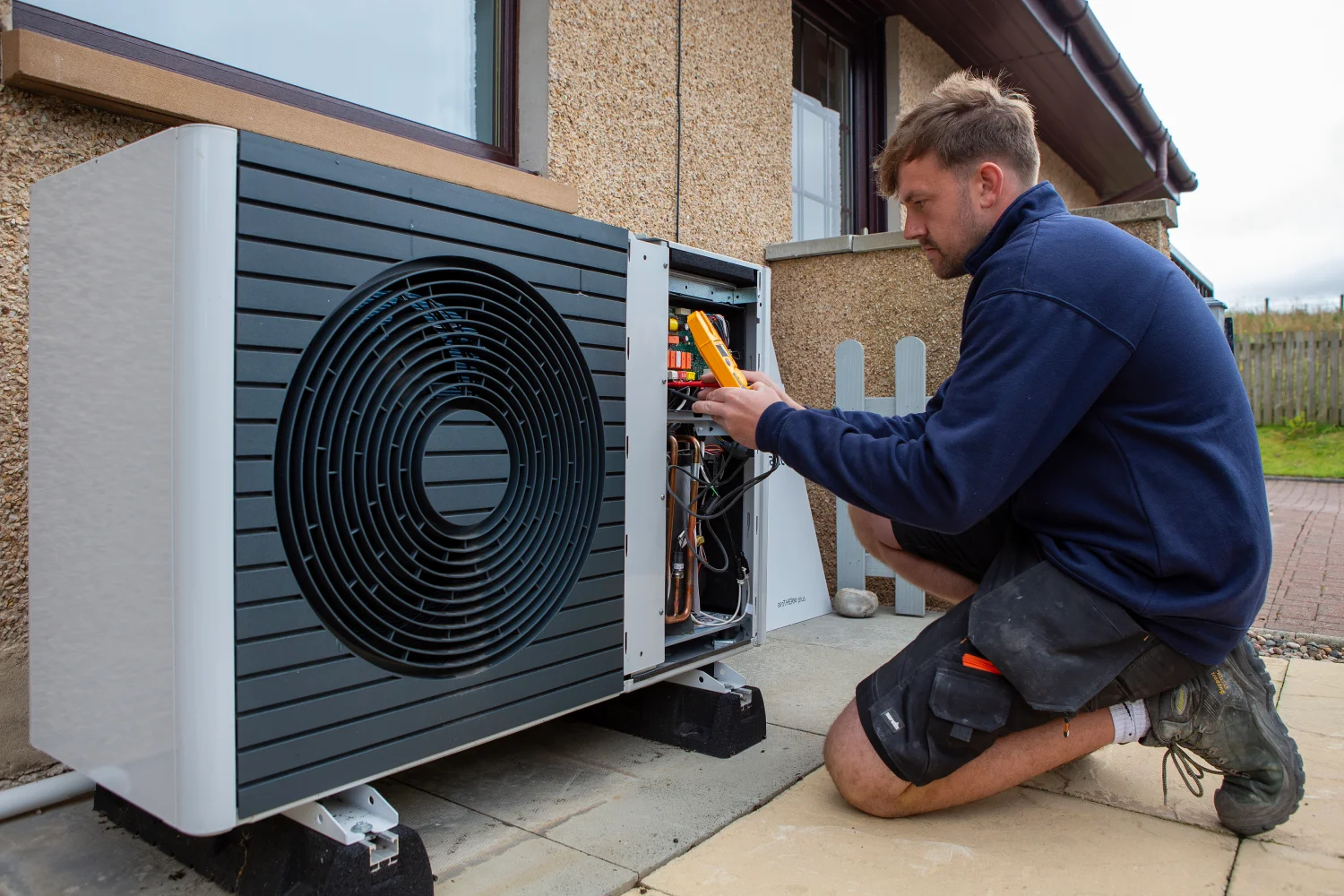
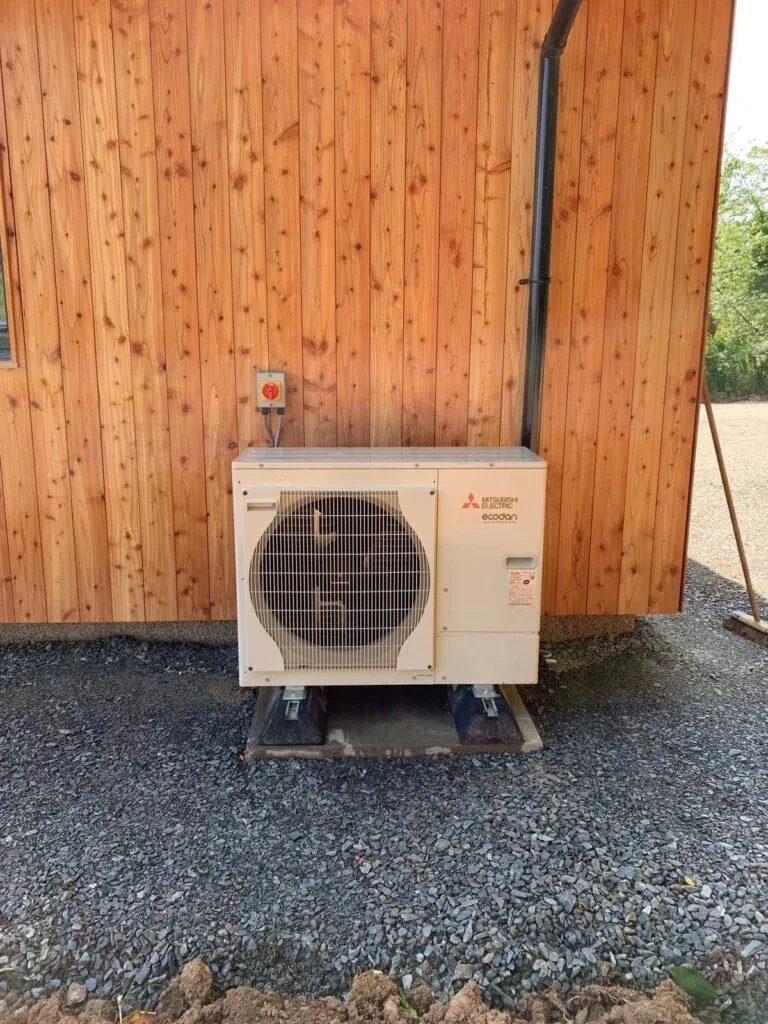
A heat pump replaces traditional heating systems by using electricity to extract heat from the outdoor air. Solar panels generate electricity from sunlight that can be used around the home.
In simple terms:
- heat pumps reduce the cost of heating a property
- solar panels reduce the cost of electricity consumption
Because they target different areas of energy use, many homes eventually install both technologies.
Why Do Some Homeowners Choose Heat Pump Finance?
Heat pumps can represent a significant investment when replacing an existing heating system. Financing options allow homeowners to spread the cost of installation over time.
Choosing heat pump finance elgin may provide several advantages:
- installation can proceed without paying the full amount upfront
- repayments can be spread over manageable monthly amounts
- homeowners can benefit from improved heating efficiency immediately
Finance arrangements vary depending on the provider, but they can help make renewable heating more accessible for many households.
If you are exploring renewable heating options, the team at Plumbing & Renewables can explain how heat pump systems are designed and what installation options may be available.
What Does Solar Panel Payback Look Like?
Solar panels generate electricity during daylight hours. This electricity can be used within the home to reduce reliance on grid power.
Financial benefits often come from:
- lower electricity bills
- exporting excess electricity to the grid
- increased energy independence
Because solar panels produce electricity rather than replacing a heating system, their financial return depends heavily on how much electricity the household uses.
Properties with higher daytime electricity consumption often see the greatest benefit.
How Much Does a Heat Pump Installation Typically Cost?
Costs vary depending on property size, system design and existing heating infrastructure.
Factors that can influence the average cost of a heat pump installation include:
- property size and heat demand
- radiator upgrades
- hot water cylinder requirements
- electrical system upgrades
While installation costs may be higher than traditional boilers, heat pumps can provide efficient heating for many years when properly installed.
Comparing Financial Factors
The table below highlights some of the main financial considerations when comparing heat pumps and solar panels.
| Factor | Heat Pump | Solar Panels |
| Main benefit | Efficient heating | Renewable electricity |
| Upfront cost | Moderate to high | Moderate |
| Payback source | Lower heating costs | Lower electricity costs |
| Seasonal impact | Used most in winter | Generates most in summer |
| Future upgrades | Works well with solar | Works well with batteries |
Both technologies offer long term benefits but operate differently throughout the year.
Which Upgrade Usually Pays Back Faster?
The answer depends on the property and how energy is used.
Solar panels sometimes provide faster financial returns in homes with high electricity usage. Heat pumps may provide long term savings in homes currently using expensive fuels such as oil or direct electric heating.
Key considerations include:
- current heating fuel costs
- electricity consumption levels
- property insulation
- long term energy plans
Because every home is different, the best approach is often to evaluate both technologies within the context of the property.
Which option best describes your home?
It just takes 2 minutes
And then you can book a free consultation
Example Scenario – A Typical Elgin Property
Imagine a detached home in Elgin currently heated by an ageing oil boiler.
The homeowner is exploring renewable upgrades and is deciding whether to install solar panels first or replace the heating system.
After reviewing energy usage, the installer explains that replacing the oil boiler with a heat pump would significantly improve heating efficiency. The homeowner chooses to proceed using heat pump finance elgin, spreading the installation cost over time.
A few years later, solar panels are added to generate electricity for the property and support the heating system.
This phased approach allows the household to improve both heating and electricity efficiency over time.
If you would like to understand how renewable technologies can work together, you may find our guide on integrated renewable systems helpful.
Should Renewable Systems Be Installed Together?
In many cases, renewable technologies work best when considered as part of a broader energy strategy.
Installing systems together may allow:
- better system integration
- improved energy efficiency
- simplified installation planning
However, it is also common for homeowners to introduce technologies gradually as budgets allow.
Planning ahead ensures future upgrades can be integrated easily.
What Other Financial Factors Should Be Considered?
When comparing renewable technologies, homeowners may also consider:
- available government incentives or grants
- energy price trends
- property insulation improvements
- long term property value
These factors can influence how quickly investments begin to deliver financial returns.
Understanding the average cost of a heat pump installation alongside potential energy savings helps homeowners make informed decisions.
Final Thoughts
Both heat pumps and solar panels play an important role in the transition towards more efficient home energy systems. While they serve different functions, they can complement each other when planned correctly.
Choosing which technology to install first often depends on the property’s current heating system and overall energy usage.
If you would like tailored advice on renewable heating or solar upgrades, contact Plumbing & Renewables. Our team can review your property and explain the options that may work best for your home.
Related articles

Which option best describes your home?
At a glance
Two of the most common upgrades people consider are installing a heat pump or investing in solar panels.
Both technologies can reduce energy bills and improve the environmental performance of a property. However, they serve different purposes and involve different financial considerations.
One common question homeowners ask is whether it is better to finance a heat pump installation or invest in solar panels first. Understanding the potential payback and long term benefits of each option can help guide that decision.
How Do Heat Pumps and Solar Panels Differ?
Although both technologies fall under the renewable energy category, they work in different ways.
A heat pump replaces traditional heating systems by using electricity to extract heat from the outdoor air. Solar panels generate electricity from sunlight that can be used around the home.
In simple terms:
- heat pumps reduce the cost of heating a property
- solar panels reduce the cost of electricity consumption
Because they target different areas of energy use, many homes eventually install both technologies.
Why Do Some Homeowners Choose Heat Pump Finance?
Heat pumps can represent a significant investment when replacing an existing heating system. Financing options allow homeowners to spread the cost of installation over time.
Choosing heat pump finance elgin may provide several advantages:
- installation can proceed without paying the full amount upfront
- repayments can be spread over manageable monthly amounts
- homeowners can benefit from improved heating efficiency immediately
Finance arrangements vary depending on the provider, but they can help make renewable heating more accessible for many households.
If you are exploring renewable heating options, the team at Plumbing & Renewables can explain how heat pump systems are designed and what installation options may be available.
What Does Solar Panel Payback Look Like?
Solar panels generate electricity during daylight hours. This electricity can be used within the home to reduce reliance on grid power.
Financial benefits often come from:
- lower electricity bills
- exporting excess electricity to the grid
- increased energy independence
Because solar panels produce electricity rather than replacing a heating system, their financial return depends heavily on how much electricity the household uses.
Properties with higher daytime electricity consumption often see the greatest benefit.
How Much Does a Heat Pump Installation Typically Cost?
Costs vary depending on property size, system design and existing heating infrastructure.
Factors that can influence the average cost of a heat pump installation include:
- property size and heat demand
- radiator upgrades
- hot water cylinder requirements
- electrical system upgrades
While installation costs may be higher than traditional boilers, heat pumps can provide efficient heating for many years when properly installed.
Comparing Financial Factors
The table below highlights some of the main financial considerations when comparing heat pumps and solar panels.
| Factor | Heat Pump | Solar Panels |
| Main benefit | Efficient heating | Renewable electricity |
| Upfront cost | Moderate to high | Moderate |
| Payback source | Lower heating costs | Lower electricity costs |
| Seasonal impact | Used most in winter | Generates most in summer |
| Future upgrades | Works well with solar | Works well with batteries |
Both technologies offer long term benefits but operate differently throughout the year.
Which Upgrade Usually Pays Back Faster?
The answer depends on the property and how energy is used.
Solar panels sometimes provide faster financial returns in homes with high electricity usage. Heat pumps may provide long term savings in homes currently using expensive fuels such as oil or direct electric heating.
Key considerations include:
- current heating fuel costs
- electricity consumption levels
- property insulation
- long term energy plans
Because every home is different, the best approach is often to evaluate both technologies within the context of the property.
Which option best describes your home?
It just takes 2 minutes
And then you can book a free consultation
Example Scenario – A Typical Elgin Property
Imagine a detached home in Elgin currently heated by an ageing oil boiler.
The homeowner is exploring renewable upgrades and is deciding whether to install solar panels first or replace the heating system.
After reviewing energy usage, the installer explains that replacing the oil boiler with a heat pump would significantly improve heating efficiency. The homeowner chooses to proceed using heat pump finance elgin, spreading the installation cost over time.
A few years later, solar panels are added to generate electricity for the property and support the heating system.
This phased approach allows the household to improve both heating and electricity efficiency over time.
If you would like to understand how renewable technologies can work together, you may find our guide on integrated renewable systems helpful.
Should Renewable Systems Be Installed Together?
In many cases, renewable technologies work best when considered as part of a broader energy strategy.
Installing systems together may allow:
- better system integration
- improved energy efficiency
- simplified installation planning
However, it is also common for homeowners to introduce technologies gradually as budgets allow.
Planning ahead ensures future upgrades can be integrated easily.
What Other Financial Factors Should Be Considered?
When comparing renewable technologies, homeowners may also consider:
- available government incentives or grants
- energy price trends
- property insulation improvements
- long term property value
These factors can influence how quickly investments begin to deliver financial returns.
Understanding the average cost of a heat pump installation alongside potential energy savings helps homeowners make informed decisions.
Final Thoughts
Both heat pumps and solar panels play an important role in the transition towards more efficient home energy systems. While they serve different functions, they can complement each other when planned correctly.
Choosing which technology to install first often depends on the property’s current heating system and overall energy usage.
If you would like tailored advice on renewable heating or solar upgrades, contact Plumbing & Renewables. Our team can review your property and explain the options that may work best for your home.