

Bleeding a Radiator

Why you can trust our content
We know the plumbing and renewable energy industry can feel overwhelming, especially with conflicting advice and outdated information online. That’s why we base everything we do on clarity, expertise, and trusted sources:


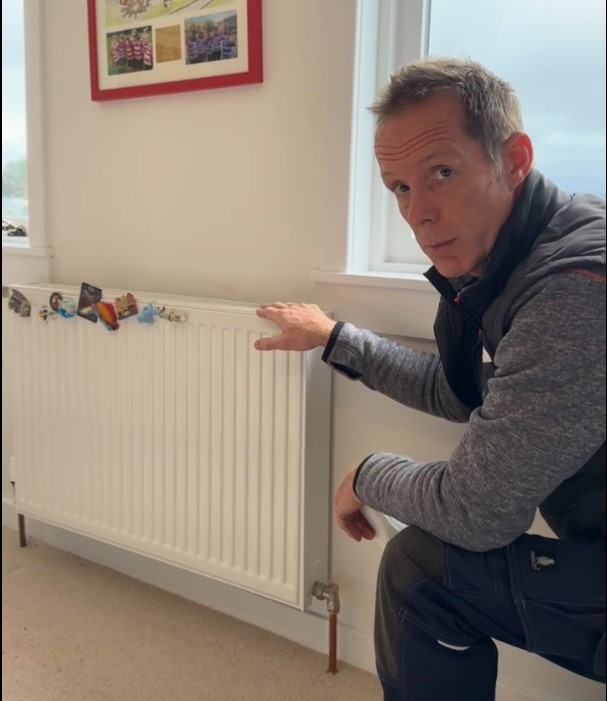
What Does “Bleeding a Radiator” Mean?
Bleeding a radiator means releasing trapped air from inside it. Air can collect at the top of a radiator, stopping hot water from circulating properly.
Why Would You Do It?
You might need to bleed a radiator if:
- The top of the radiator feels cold but the bottom is warm.
- You hear gurgling or bubbling noises inside the radiator.
- Your heating system isn’t warming up as efficiently as before.
How to Bleed a Radiator
- Find the Bleed Valve
- It’s usually at the top corner of the radiator. You’ll need a radiator key (or sometimes a flat screwdriver).
- Place a Cloth or Container Under the Valve
- To catch any drips.
- Open the Valve Slowly
- Turn the key anti-clockwise just a quarter-turn.
- You’ll hear a hissing sound as the air escapes.
- Close the Valve When Water Appears
- As soon as water (not air) comes out, tighten the valve back up.
- Check the Heating System Pressure
- Bleeding may lower the pressure in your system. If it’s too low, you may need to top it up, please see ‘Topping up System Pressure’
When to Call Us
- If you need to bleed radiators very often (could be a bigger issue).
- If water keeps coming out dirty or discoloured. If system filled with antifreeze, the water may be discoloured yellow/red colour
- If your boiler pressure drops quickly after bleeding.
Video Link: Bleeding a Radiator
Related articles
Which option best describes your home?
At a glance
What Does “Bleeding a Radiator” Mean?
Bleeding a radiator means releasing trapped air from inside it. Air can collect at the top of a radiator, stopping hot water from circulating properly.
Why Would You Do It?
You might need to bleed a radiator if:
- The top of the radiator feels cold but the bottom is warm.
- You hear gurgling or bubbling noises inside the radiator.
- Your heating system isn’t warming up as efficiently as before.
How to Bleed a Radiator
- Find the Bleed Valve
- It’s usually at the top corner of the radiator. You’ll need a radiator key (or sometimes a flat screwdriver).
- Place a Cloth or Container Under the Valve
- To catch any drips.
- Open the Valve Slowly
- Turn the key anti-clockwise just a quarter-turn.
- You’ll hear a hissing sound as the air escapes.
- Close the Valve When Water Appears
- As soon as water (not air) comes out, tighten the valve back up.
- Check the Heating System Pressure
- Bleeding may lower the pressure in your system. If it’s too low, you may need to top it up, please see ‘Topping up System Pressure’
When to Call Us
- If you need to bleed radiators very often (could be a bigger issue).
- If water keeps coming out dirty or discoloured. If system filled with antifreeze, the water may be discoloured yellow/red colour
- If your boiler pressure drops quickly after bleeding.
