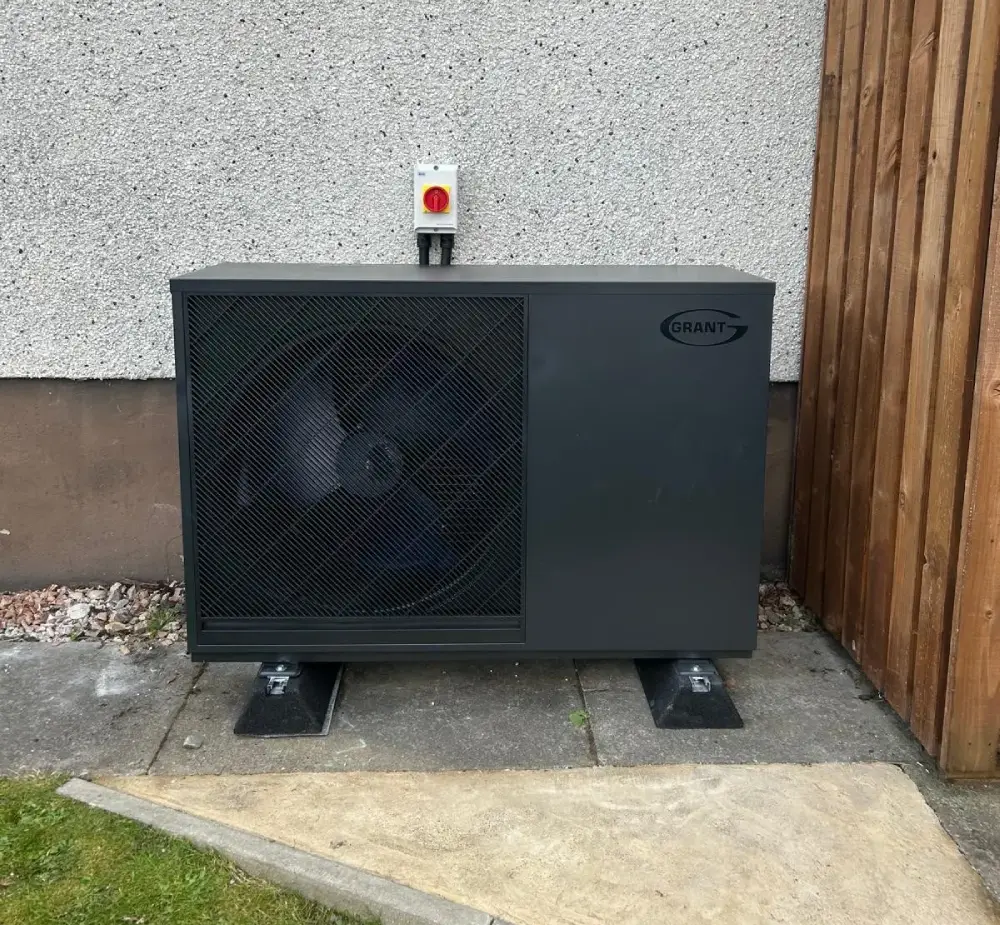

Heat Pump Installation Specialist for Period Properties
Older and period properties bring character, history, and charm – but they also come with unique heating challenges. If you’re considering upgrading to a heat pump, working with a heat pump installation specialist is essential to ensure the system is designed properly for your home.

Why you can trust our content
We know the plumbing and renewable energy industry can feel overwhelming, especially with conflicting advice and outdated information online. That’s why we base everything we do on clarity, expertise, and trusted sources:







At a glance
Unlike modern builds, period properties often have higher heat loss, different construction materials, and layouts that require careful planning. The good news is that, when approached correctly, heat pumps can work extremely well in these homes.
If you’d like tailored advice for your property, you can speak to our team for a bespoke assessment.
Can a heat pump work in a period property?
Yes – and in many cases, very effectively.
Age alone doesn’t prevent a heat pump from performing well. What matters more is how the property retains heat and how the system is designed.
A properly specified system will:
- Maintain a consistent indoor temperature
- Run efficiently throughout the year
- Provide reliable heating even in cold Scottish winters
Even traditional stone or Victorian homes can benefit from heat pumps when the design takes into account insulation levels and heat loss.
Why do period properties need specialist design?
Older homes behave differently compared to modern ones.
They often have:
- Solid walls rather than cavity insulation
- Higher ceilings and larger rooms
- Draughts from windows, doors, or chimneys
- Less predictable heat retention
A standard approach simply won’t deliver the best results. That’s why choosing a heat pump installation specialist is so important – they understand how to design systems around these variables.
Key considerations include:
- Accurate heat loss calculations
- Correct heat pump sizing
- Radiator or emitter upgrades where needed
- System configuration for steady heating
Without this level of detail, performance and comfort can suffer.
Do you need to upgrade radiators in older homes?
Often, yes – but not always.
Heat pumps operate at lower temperatures than traditional boilers, which means heat emitters need to be suitable for this style of heating.
In many cases, this may involve:
- Installing larger radiators
- Adding additional radiators in certain rooms
- Considering underfloor heating in extensions or renovations
However, upgrades are not always extensive. A survey will determine exactly what’s required based on your home’s needs.
How does a heat pump run in a period property?
One of the biggest differences is how the system operates day to day.
Heat pumps work best when they:
- Run for longer periods
- Maintain a steady background temperature
- Avoid frequent on-off cycles
This is particularly well-suited to older homes, which benefit from consistent heating rather than short bursts.
The “long and low” principle
Instead of heating your home in short bursts, a heat pump gently maintains warmth over time.
This approach:
- Reduces energy waste
- Improves comfort
- Helps stabilise internal temperatures
Once the property is warm, it tends to stay warm more effectively.
What does installation typically involve?
Installing a heat pump in a period property is more than just swapping out a boiler.
A typical process includes:
| Stage | What Happens |
| Initial survey | Full assessment of heat loss and property layout |
| System design | Tailored specification based on property needs |
| Upgrades (if required) | Radiators, pipework, or insulation improvements |
| Installation | Fitting the heat pump and system components |
| Commissioning | Testing and optimisation of performance |
Each step ensures the system delivers reliable and efficient heating.
How do you choose the right installer?
Searching for heat pump installation companies near me can bring up a wide range of options – but not all installers have experience with period properties.
Look for:
- Proven experience with older homes
- Clear explanation of system design
- Detailed surveys and calculations
- Accreditation and certifications
- Transparent quotes and timelines
Choosing the right team makes a significant difference to long-term performance and running costs.
[CTA 2]
If you’re comparing options, our team can walk you through system design and what to expect for your home.
Which option best describes your home?
It just takes 2 minutes
And then you can book a free consultation
What does it cost to install a heat pump in a period property?
Costs vary depending on the size of the home and any upgrades required.
For larger or older properties, typical costs can range from:
- £18,000 to £25,000 for full system installations
This can be influenced by:
- Property size
- Required radiator upgrades
- Heat pump capacity
- System complexity
Funding support
Homeowners in Scotland may be eligible for:
- Grants of up to £7,500
- Additional rural funding
- Interest-free loans
This can significantly reduce upfront costs.
Are there alternative options for large homes?
In some cases, a single heat pump may not be enough for very large properties.
Possible alternatives include:
Cascade systems (two heat pumps):
- Provide additional heating capacity
- Suitable for large or complex layouts
- Require careful design and electrical checks
Hybrid systems:
- Combine a heat pump with an existing boiler
- Heat pump handles most of the year
- Boiler supports during very cold periods
These options allow flexibility depending on the property and homeowner preferences.
Case study example: Period home heating upgrade
Consider a large Victorian property with solid walls and high ceilings.
The challenge:
- Heat loss higher than modern homes
- Existing radiators undersized
- Inefficient oil heating system
The solution:
- Installation of a correctly sized heat pump
- Strategic radiator upgrades
- System designed for steady, continuous heating
The result:
- Improved comfort throughout the home
- More consistent indoor temperatures
- Lower reliance on fossil fuels
This type of approach highlights why working with a heat pump installation specialist is essential.
What should you avoid when installing a heat pump?
Some common pitfalls include:
- Treating the system like a boiler
- Constantly adjusting thermostat settings
- Ignoring heat loss calculations
- Choosing installers without relevant experience
Avoiding these issues ensures your system performs as expected.
Final thoughts
Installing a heat pump in a period property is entirely achievable – and often highly effective when done correctly. The key is careful planning, accurate design, and choosing the right expertise.
By working with experienced professionals, you can enjoy reliable, efficient heating that suits the character and structure of your home.
If you’re exploring your options, you can contact Plumbing & Renewables to discuss your property and get expert guidance tailored to your needs.
Related articles


Which option best describes your home?
At a glance
Unlike modern builds, period properties often have higher heat loss, different construction materials, and layouts that require careful planning. The good news is that, when approached correctly, heat pumps can work extremely well in these homes.
If you’d like tailored advice for your property, you can speak to our team for a bespoke assessment.
Can a heat pump work in a period property?
Yes – and in many cases, very effectively.
Age alone doesn’t prevent a heat pump from performing well. What matters more is how the property retains heat and how the system is designed.
A properly specified system will:
- Maintain a consistent indoor temperature
- Run efficiently throughout the year
- Provide reliable heating even in cold Scottish winters
Even traditional stone or Victorian homes can benefit from heat pumps when the design takes into account insulation levels and heat loss.
Why do period properties need specialist design?
Older homes behave differently compared to modern ones.
They often have:
- Solid walls rather than cavity insulation
- Higher ceilings and larger rooms
- Draughts from windows, doors, or chimneys
- Less predictable heat retention
A standard approach simply won’t deliver the best results. That’s why choosing a heat pump installation specialist is so important – they understand how to design systems around these variables.
Key considerations include:
- Accurate heat loss calculations
- Correct heat pump sizing
- Radiator or emitter upgrades where needed
- System configuration for steady heating
Without this level of detail, performance and comfort can suffer.
Do you need to upgrade radiators in older homes?
Often, yes – but not always.
Heat pumps operate at lower temperatures than traditional boilers, which means heat emitters need to be suitable for this style of heating.
In many cases, this may involve:
- Installing larger radiators
- Adding additional radiators in certain rooms
- Considering underfloor heating in extensions or renovations
However, upgrades are not always extensive. A survey will determine exactly what’s required based on your home’s needs.
How does a heat pump run in a period property?
One of the biggest differences is how the system operates day to day.
Heat pumps work best when they:
- Run for longer periods
- Maintain a steady background temperature
- Avoid frequent on-off cycles
This is particularly well-suited to older homes, which benefit from consistent heating rather than short bursts.
The “long and low” principle
Instead of heating your home in short bursts, a heat pump gently maintains warmth over time.
This approach:
- Reduces energy waste
- Improves comfort
- Helps stabilise internal temperatures
Once the property is warm, it tends to stay warm more effectively.
What does installation typically involve?
Installing a heat pump in a period property is more than just swapping out a boiler.
A typical process includes:
| Stage | What Happens |
| Initial survey | Full assessment of heat loss and property layout |
| System design | Tailored specification based on property needs |
| Upgrades (if required) | Radiators, pipework, or insulation improvements |
| Installation | Fitting the heat pump and system components |
| Commissioning | Testing and optimisation of performance |
Each step ensures the system delivers reliable and efficient heating.
How do you choose the right installer?
Searching for heat pump installation companies near me can bring up a wide range of options – but not all installers have experience with period properties.
Look for:
- Proven experience with older homes
- Clear explanation of system design
- Detailed surveys and calculations
- Accreditation and certifications
- Transparent quotes and timelines
Choosing the right team makes a significant difference to long-term performance and running costs.
[CTA 2]
If you’re comparing options, our team can walk you through system design and what to expect for your home.
Which option best describes your home?
It just takes 2 minutes
And then you can book a free consultation
What does it cost to install a heat pump in a period property?
Costs vary depending on the size of the home and any upgrades required.
For larger or older properties, typical costs can range from:
- £18,000 to £25,000 for full system installations
This can be influenced by:
- Property size
- Required radiator upgrades
- Heat pump capacity
- System complexity
Funding support
Homeowners in Scotland may be eligible for:
- Grants of up to £7,500
- Additional rural funding
- Interest-free loans
This can significantly reduce upfront costs.
Are there alternative options for large homes?
In some cases, a single heat pump may not be enough for very large properties.
Possible alternatives include:
Cascade systems (two heat pumps):
- Provide additional heating capacity
- Suitable for large or complex layouts
- Require careful design and electrical checks
Hybrid systems:
- Combine a heat pump with an existing boiler
- Heat pump handles most of the year
- Boiler supports during very cold periods
These options allow flexibility depending on the property and homeowner preferences.
Case study example: Period home heating upgrade
Consider a large Victorian property with solid walls and high ceilings.
The challenge:
- Heat loss higher than modern homes
- Existing radiators undersized
- Inefficient oil heating system
The solution:
- Installation of a correctly sized heat pump
- Strategic radiator upgrades
- System designed for steady, continuous heating
The result:
- Improved comfort throughout the home
- More consistent indoor temperatures
- Lower reliance on fossil fuels
This type of approach highlights why working with a heat pump installation specialist is essential.
What should you avoid when installing a heat pump?
Some common pitfalls include:
- Treating the system like a boiler
- Constantly adjusting thermostat settings
- Ignoring heat loss calculations
- Choosing installers without relevant experience
Avoiding these issues ensures your system performs as expected.
Final thoughts
Installing a heat pump in a period property is entirely achievable – and often highly effective when done correctly. The key is careful planning, accurate design, and choosing the right expertise.
By working with experienced professionals, you can enjoy reliable, efficient heating that suits the character and structure of your home.
If you’re exploring your options, you can contact Plumbing & Renewables to discuss your property and get expert guidance tailored to your needs.