
Hybrid Heat Pumps vs Full Systems: What’s Better?
If you’re considering upgrading your heating system in Elgin, one of the most common questions is whether to go fully electric with a heat pump or opt for a hybrid system that works alongside your existing boiler.

Why you can trust our content
We know the plumbing and renewable energy industry can feel overwhelming, especially with conflicting advice and outdated information online. That’s why we base everything we do on clarity, expertise, and trusted sources:


At a glance
Both options have their place, and the right choice depends on your property, budget, and long-term plans. Speaking to a renewable heating installer elgin can help you understand which approach is best suited to your home.
This guide breaks down the differences between hybrid and full heat pump systems, helping you make a confident, informed decision.
What is a hybrid heat pump system?
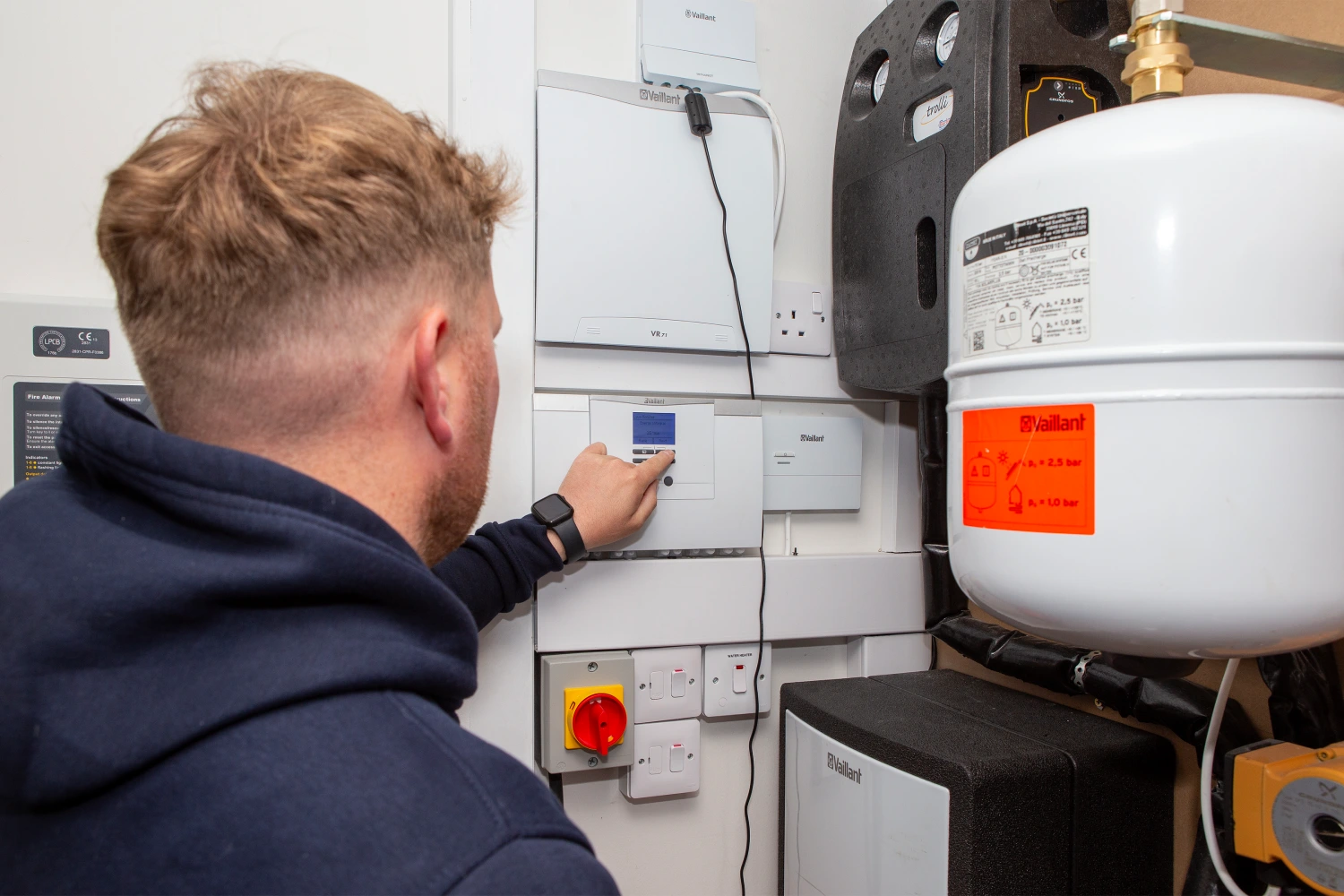
A hybrid system combines an air source heat pump with a traditional boiler (oil or gas).
How it works:
- The heat pump provides heating most of the year
- The boiler supports the system during colder periods
- Controls switch between systems automatically
This setup allows you to reduce reliance on fossil fuels without fully replacing your existing heating system.
What is a full heat pump system?
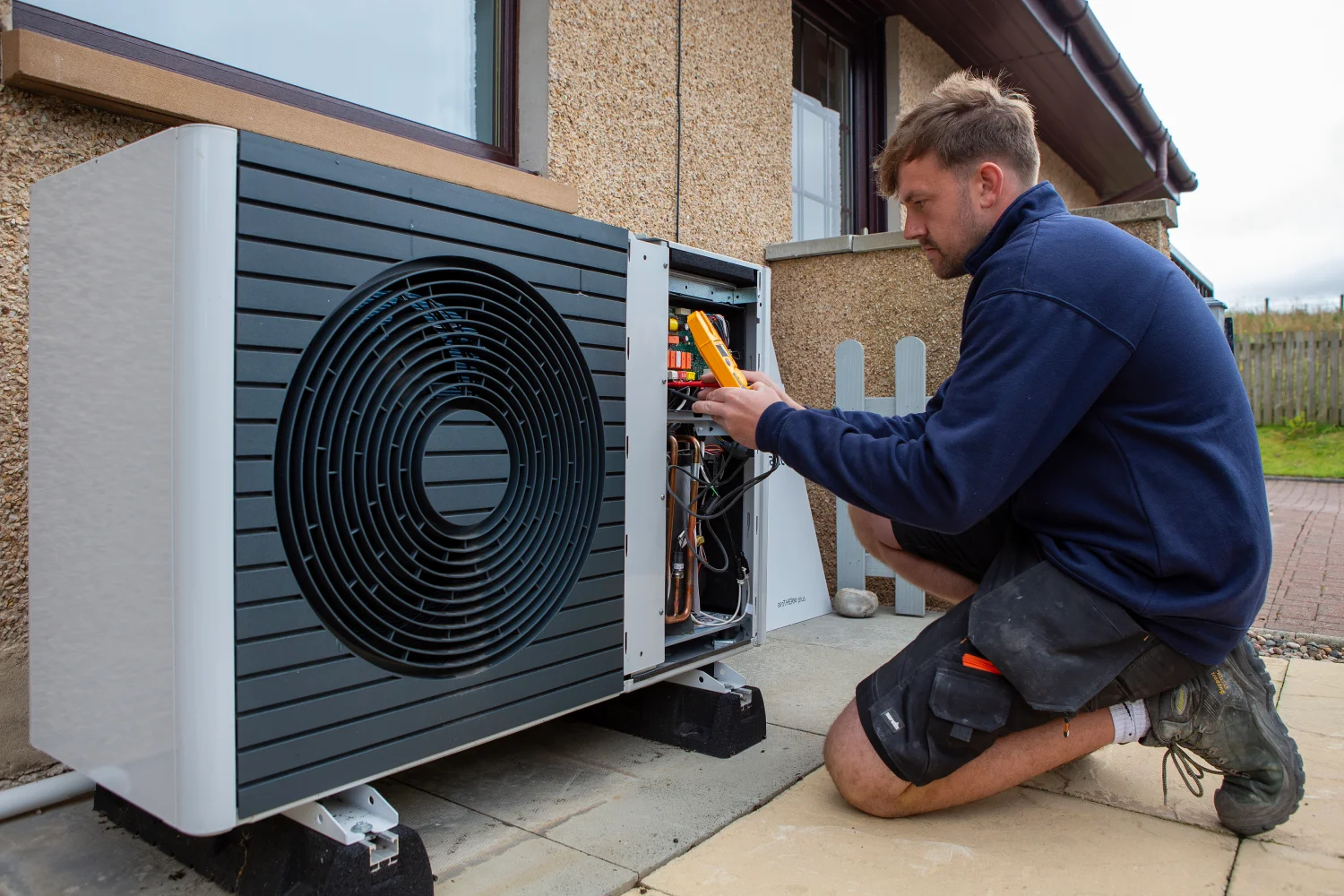
A full system replaces your existing boiler entirely with a heat pump.
Key features:
- Provides all space heating and hot water
- Runs on electricity only
- Designed for continuous, steady heating
- Works best with well-designed heat emitters
A trusted air source heat pump company elgin will design the system to match your property’s heating demand.
What’s the main difference between hybrid and full systems?
The biggest difference lies in how heating is delivered.
Hybrid systems:
- Use two heat sources
- Switch between boiler and heat pump
- Offer flexibility in colder weather
Full systems:
- Rely entirely on the heat pump
- Designed for consistent, low-temperature heating
- Provide a long-term renewable solution
Which system is more energy efficient?
Full heat pump systems are typically more efficient overall because they:
- Maximise renewable energy use
- Avoid fossil fuel reliance
- Maintain consistent operation
However, hybrids can still improve efficiency compared to a boiler-only system, particularly during milder months.
Are hybrid systems easier to install?
In many cases, yes.
Hybrid systems often:
- Require fewer changes to existing radiators
- Use existing pipework and boiler infrastructure
- Have lower upfront disruption
This can make them appealing for homeowners not ready for a full system upgrade.
A renewable heating installer elgin can assess whether your current system is suitable for a hybrid setup.
Which option best describes your home?
It just takes 2 minutes
And then you can book a free consultation
Do full systems require upgrades?
Sometimes. Full systems may require:
- Larger or upgraded radiators
- Improved insulation
- Cylinder upgrades for hot water storage
These changes help ensure the system runs efficiently and delivers consistent comfort.
What about running costs?
Running costs vary depending on:
- Electricity tariffs
- Property insulation
- System design
- Usage habits
General guidance:
- Full systems can offer lower long-term running costs when optimised
- Hybrid systems may cost more to run due to boiler usage during colder periods
A detailed assessment from an air source heat pump company elgin will provide a clearer estimate for your specific home.
Are hybrid systems eligible for funding?
In Scotland, funding rules are important to consider.
- Full heat pump systems can qualify for grants and loans
- Hybrid systems typically do not qualify for grant funding
This can significantly influence overall cost and decision-making.
Which system works best in older homes?
Older homes can work with both systems, depending on their condition.
Hybrid systems may suit:
- Larger or less insulated properties
- Homes where radiator upgrades are limited
- Homeowners wanting gradual transition
Full systems may suit:
- Renovated or improved properties
- Homes with upgraded insulation
- Those looking for long-term renewable heating
A renewable heating installer elgin will assess heat loss and advise on the best approach.
Case example: choosing the right system
A large detached home on the outskirts of Elgin with moderate insulation and an existing oil boiler may benefit from a hybrid system initially.
However, if insulation improvements are planned, transitioning to a full heat pump system could provide better long-term efficiency and cost savings.
This staged approach is common when balancing upfront investment with future goals.
How do installation costs compare?
| System Type | Typical Cost Range | Complexity | Funding Eligibility |
| Hybrid System | £9,000 – £17,000+ | Moderate | Usually no grant |
| Full Heat Pump | £18,000 – £25,000 | Higher | Grant + loan available |
Costs vary depending on property size, upgrades required, and system design.
Which option is better long-term?
Full heat pump systems are generally considered the better long-term solution because they:
- Fully transition away from fossil fuels
- Align with future energy regulations
- Offer consistent efficiency
However, hybrid systems can be a practical stepping stone, especially in more complex properties.
How do you decide which is right for your home?
Choosing between a hybrid and full system should be based on:
- Heat loss calculations
- Property size and insulation
- Existing heating system condition
- Budget and funding eligibility
- Long-term plans
Working with an experienced air source heat pump company elgin ensures the recommendation is based on real data rather than assumptions.
Speak to our team for a tailored assessment of your home and heating requirements.
Conclusion
Hybrid and full heat pump systems both have their place, and neither option is universally better. The right choice depends on your home’s structure, your budget, and your long-term plans.
For homeowners in Elgin, a properly designed system – whether hybrid or full – is key to achieving comfort, efficiency, and reliability.
If you’d like expert advice, contact our team to explore the best option for your property and get a tailored recommendation.
Related articles

Which option best describes your home?
At a glance
Both options have their place, and the right choice depends on your property, budget, and long-term plans. Speaking to a renewable heating installer elgin can help you understand which approach is best suited to your home.
This guide breaks down the differences between hybrid and full heat pump systems, helping you make a confident, informed decision.
What is a hybrid heat pump system?
A hybrid system combines an air source heat pump with a traditional boiler (oil or gas).
How it works:
- The heat pump provides heating most of the year
- The boiler supports the system during colder periods
- Controls switch between systems automatically
This setup allows you to reduce reliance on fossil fuels without fully replacing your existing heating system.
What is a full heat pump system?
A full system replaces your existing boiler entirely with a heat pump.
Key features:
- Provides all space heating and hot water
- Runs on electricity only
- Designed for continuous, steady heating
- Works best with well-designed heat emitters
A trusted air source heat pump company elgin will design the system to match your property’s heating demand.
What’s the main difference between hybrid and full systems?
The biggest difference lies in how heating is delivered.
Hybrid systems:
- Use two heat sources
- Switch between boiler and heat pump
- Offer flexibility in colder weather
Full systems:
- Rely entirely on the heat pump
- Designed for consistent, low-temperature heating
- Provide a long-term renewable solution
Which system is more energy efficient?
Full heat pump systems are typically more efficient overall because they:
- Maximise renewable energy use
- Avoid fossil fuel reliance
- Maintain consistent operation
However, hybrids can still improve efficiency compared to a boiler-only system, particularly during milder months.
Are hybrid systems easier to install?
In many cases, yes.
Hybrid systems often:
- Require fewer changes to existing radiators
- Use existing pipework and boiler infrastructure
- Have lower upfront disruption
This can make them appealing for homeowners not ready for a full system upgrade.
A renewable heating installer elgin can assess whether your current system is suitable for a hybrid setup.
Which option best describes your home?
It just takes 2 minutes
And then you can book a free consultation
Do full systems require upgrades?
Sometimes. Full systems may require:
- Larger or upgraded radiators
- Improved insulation
- Cylinder upgrades for hot water storage
These changes help ensure the system runs efficiently and delivers consistent comfort.
What about running costs?
Running costs vary depending on:
- Electricity tariffs
- Property insulation
- System design
- Usage habits
General guidance:
- Full systems can offer lower long-term running costs when optimised
- Hybrid systems may cost more to run due to boiler usage during colder periods
A detailed assessment from an air source heat pump company elgin will provide a clearer estimate for your specific home.
Are hybrid systems eligible for funding?
In Scotland, funding rules are important to consider.
- Full heat pump systems can qualify for grants and loans
- Hybrid systems typically do not qualify for grant funding
This can significantly influence overall cost and decision-making.
Which system works best in older homes?
Older homes can work with both systems, depending on their condition.
Hybrid systems may suit:
- Larger or less insulated properties
- Homes where radiator upgrades are limited
- Homeowners wanting gradual transition
Full systems may suit:
- Renovated or improved properties
- Homes with upgraded insulation
- Those looking for long-term renewable heating
A renewable heating installer elgin will assess heat loss and advise on the best approach.
Case example: choosing the right system
A large detached home on the outskirts of Elgin with moderate insulation and an existing oil boiler may benefit from a hybrid system initially.
However, if insulation improvements are planned, transitioning to a full heat pump system could provide better long-term efficiency and cost savings.
This staged approach is common when balancing upfront investment with future goals.
How do installation costs compare?
| System Type | Typical Cost Range | Complexity | Funding Eligibility |
| Hybrid System | £9,000 – £17,000+ | Moderate | Usually no grant |
| Full Heat Pump | £18,000 – £25,000 | Higher | Grant + loan available |
Costs vary depending on property size, upgrades required, and system design.
Which option is better long-term?
Full heat pump systems are generally considered the better long-term solution because they:
- Fully transition away from fossil fuels
- Align with future energy regulations
- Offer consistent efficiency
However, hybrid systems can be a practical stepping stone, especially in more complex properties.
How do you decide which is right for your home?
Choosing between a hybrid and full system should be based on:
- Heat loss calculations
- Property size and insulation
- Existing heating system condition
- Budget and funding eligibility
- Long-term plans
Working with an experienced air source heat pump company elgin ensures the recommendation is based on real data rather than assumptions.
Speak to our team for a tailored assessment of your home and heating requirements.
Conclusion
Hybrid and full heat pump systems both have their place, and neither option is universally better. The right choice depends on your home’s structure, your budget, and your long-term plans.
For homeowners in Elgin, a properly designed system – whether hybrid or full – is key to achieving comfort, efficiency, and reliability.
If you’d like expert advice, contact our team to explore the best option for your property and get a tailored recommendation.