What Happens If You Run a Heat Pump Like a Boiler?
When homeowners switch to a heat pump, one of the biggest adjustments is understanding that the system works differently from a traditional boiler. Both provide heating and hot water, but the way they deliver warmth around the home is not the same.

Why you can trust our content
We know the plumbing and renewable energy industry can feel overwhelming, especially with conflicting advice and outdated information online. That’s why we base everything we do on clarity, expertise, and trusted sources:


At a glance
Many people initially operate their heat pump using the same habits they had with their previous boiler. This often means turning heating on and off quickly or expecting radiators to become extremely hot. However, heat pumps are designed to run in a different way.
Understanding how the system works helps homeowners avoid unnecessary energy costs and maintain consistent comfort. If you are considering renewable heating, speaking with an experienced air source heat pump fitter elgin can help ensure the system is designed and used correctly.
If you are exploring renewable heating options for your home, you can contact the team at Plumbing & Renewables to discuss whether a heat pump system would suit your property.
How Does a Heat Pump Operate Differently from a Boiler?
Traditional boilers generate heat by burning fuel and quickly raising water temperatures. Radiators become very hot and the system switches on and off throughout the day.
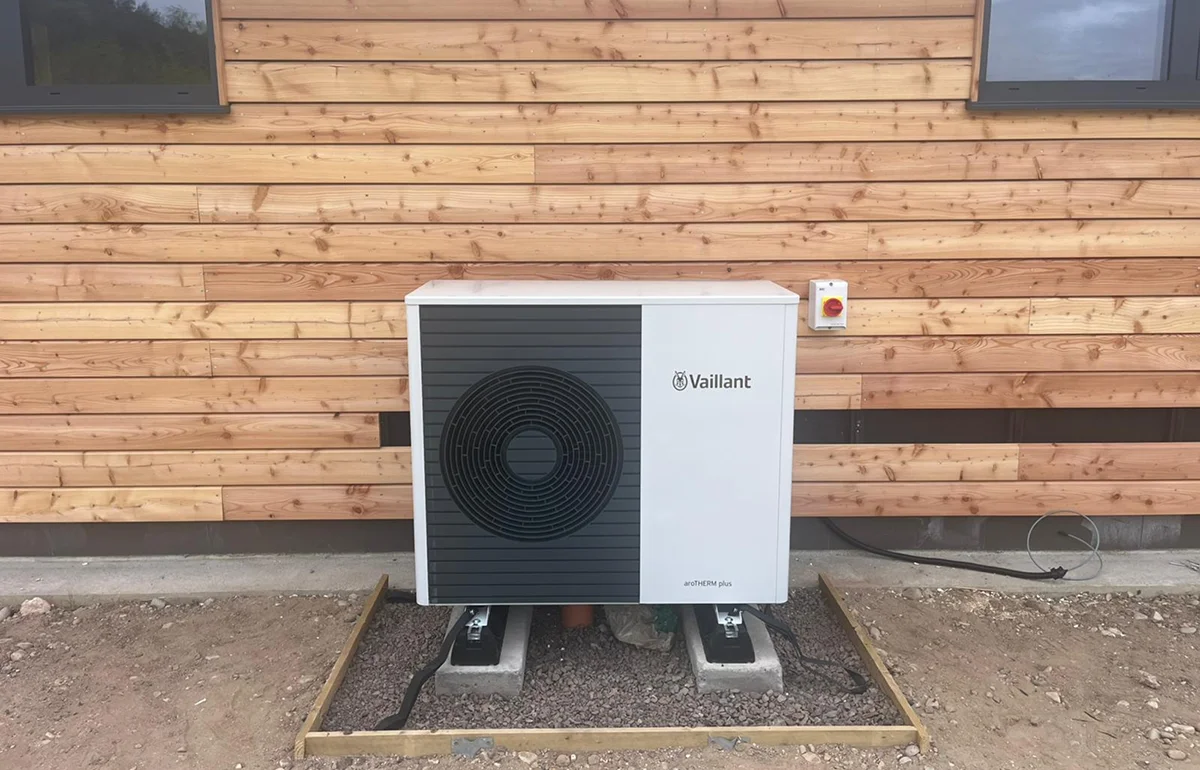
A heat pump works more gradually. Instead of producing high bursts of heat, it moves warmth from the outside air into your home and circulates lower temperature water through the heating system.
Typical differences include:
- Boilers often run at 70-80°C water temperatures
- Heat pumps usually run between 35-55°C
- Boilers cycle on and off frequently
- Heat pumps operate steadily for longer periods
This steady operation allows the system to remain efficient while maintaining comfortable indoor temperatures.
What Happens If You Run a Heat Pump Like a Boiler?
Running a heat pump using boiler-style habits can lead to several issues.
First, the system may need to work harder to heat the home quickly, which can increase electricity use. Second, frequent on-off cycles can reduce efficiency and shorten component lifespan.
Common habits that can cause problems include:
- Switching the heating on only for short bursts
- Setting very high thermostat temperatures
- Turning the system off completely overnight
- Expecting rapid heat like a gas or oil boiler
These behaviours often create the impression that heat pumps are inefficient, when in reality they are simply being used in a way they were not designed for.
A qualified renewable heating installer elgin will normally explain the best way to operate the system after installation.
Should a Heat Pump Run Continuously?
In many homes, yes. Heat pumps work most efficiently when maintaining a stable temperature rather than repeatedly heating a cold property.
Instead of large temperature swings, the system gradually replaces lost heat throughout the day. This approach can lead to:
- More consistent comfort
- Lower energy demand
- Less strain on the heating equipment
Many homeowners find that once the system is allowed to run steadily, their home remains comfortably warm with fewer temperature fluctuations.
Why Do Radiators Feel Cooler with Heat Pumps?
One of the most noticeable changes is radiator temperature.
With a boiler, radiators can feel extremely hot to the touch. Heat pumps typically deliver warm rather than hot radiators.
This does not mean the system is underperforming. Lower temperatures simply reflect how heat pumps achieve efficiency.
| Heating System | Typical Water Temperature | Radiator Feel |
| Gas or oil boiler | 70-80°C | Very hot |
| Heat pump system | 35-55°C | Warm |
Because the heating runs for longer periods, rooms can still remain comfortable even though radiators feel cooler.
An experienced air source heat pump fitter elgin will ensure radiators or underfloor heating are correctly sized so the property heats effectively.
Which option best describes your home?
It just takes 2 minutes
And then you can book a free consultation
Does Turning the System Off Save Money?
This is a common assumption, especially for homeowners used to boilers.
However, switching a heat pump off completely can sometimes make it less efficient. When the house cools down significantly, the system needs more energy to restore comfortable temperatures.
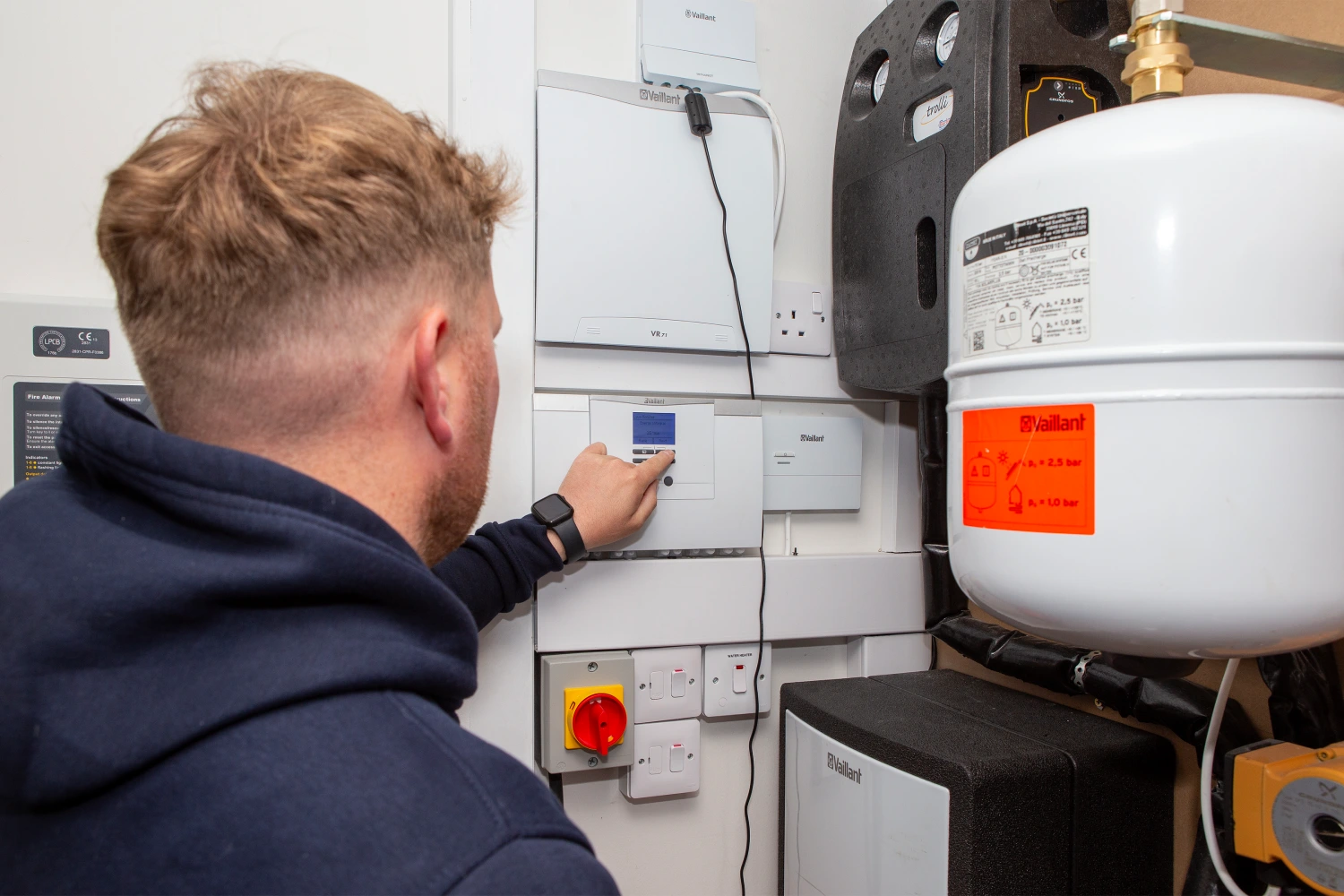
Instead, many installations use smart controls to maintain a gentle background level of heating.
Features may include:
- Weather compensation controls
- Programmable thermostats
- Smart heating schedules
These tools help the system adjust automatically to outside temperatures and household demand.
If you are unsure how your system should be configured, a professional renewable heating installer elgin can provide guidance.
A Typical Scenario in an Elgin Home
Consider a homeowner who recently replaced an oil boiler with a heat pump.
Initially, they kept their previous heating routine – switching the heating on in the morning and evening only. The house cooled significantly overnight, meaning the system worked harder to reheat the rooms.
After adjusting the controls to maintain a steady temperature, the system began running more smoothly and comfort levels improved.
This type of adjustment is common during the first few months after installation. Once homeowners understand the operating style, most find the system straightforward to manage.
If you would like advice on whether a heat pump could work in your property, you can request guidance from Plumbing & Renewables. Our team can assess your home and recommend suitable solutions.
How Can Homeowners Get the Best Performance?
A few simple practices can help heat pumps perform at their best.
- Maintain consistent indoor temperatures where possible
- Avoid large thermostat adjustments
- Allow the heating system to run steadily
- Schedule regular servicing to keep equipment efficient
These steps help ensure the system delivers reliable warmth throughout the colder months.
Final Thoughts
Heat pumps are designed to provide steady, efficient heating rather than short bursts of high heat. When operated like a traditional boiler, the system may appear less effective, but this is usually due to incorrect usage rather than a fault.
Once homeowners adjust their heating habits, many find that heat pumps provide reliable comfort and stable temperatures throughout the home.
Working with an experienced air source heat pump fitter elgin can ensure the system is designed correctly from the start. If you are considering renewable heating in Elgin, professional guidance helps ensure the installation performs well for many years.
If you would like tailored advice or a bespoke estimate, you can speak with the team at Plumbing & Renewables today.
Related articles

Which option best describes your home?
At a glance
Many people initially operate their heat pump using the same habits they had with their previous boiler. This often means turning heating on and off quickly or expecting radiators to become extremely hot. However, heat pumps are designed to run in a different way.
Understanding how the system works helps homeowners avoid unnecessary energy costs and maintain consistent comfort. If you are considering renewable heating, speaking with an experienced air source heat pump fitter elgin can help ensure the system is designed and used correctly.
If you are exploring renewable heating options for your home, you can contact the team at Plumbing & Renewables to discuss whether a heat pump system would suit your property.
How Does a Heat Pump Operate Differently from a Boiler?
Traditional boilers generate heat by burning fuel and quickly raising water temperatures. Radiators become very hot and the system switches on and off throughout the day.
A heat pump works more gradually. Instead of producing high bursts of heat, it moves warmth from the outside air into your home and circulates lower temperature water through the heating system.
Typical differences include:
- Boilers often run at 70-80°C water temperatures
- Heat pumps usually run between 35-55°C
- Boilers cycle on and off frequently
- Heat pumps operate steadily for longer periods
This steady operation allows the system to remain efficient while maintaining comfortable indoor temperatures.
What Happens If You Run a Heat Pump Like a Boiler?
Running a heat pump using boiler-style habits can lead to several issues.
First, the system may need to work harder to heat the home quickly, which can increase electricity use. Second, frequent on-off cycles can reduce efficiency and shorten component lifespan.
Common habits that can cause problems include:
- Switching the heating on only for short bursts
- Setting very high thermostat temperatures
- Turning the system off completely overnight
- Expecting rapid heat like a gas or oil boiler
These behaviours often create the impression that heat pumps are inefficient, when in reality they are simply being used in a way they were not designed for.
A qualified renewable heating installer elgin will normally explain the best way to operate the system after installation.
Should a Heat Pump Run Continuously?
In many homes, yes. Heat pumps work most efficiently when maintaining a stable temperature rather than repeatedly heating a cold property.
Instead of large temperature swings, the system gradually replaces lost heat throughout the day. This approach can lead to:
- More consistent comfort
- Lower energy demand
- Less strain on the heating equipment
Many homeowners find that once the system is allowed to run steadily, their home remains comfortably warm with fewer temperature fluctuations.
Why Do Radiators Feel Cooler with Heat Pumps?
One of the most noticeable changes is radiator temperature.
With a boiler, radiators can feel extremely hot to the touch. Heat pumps typically deliver warm rather than hot radiators.
This does not mean the system is underperforming. Lower temperatures simply reflect how heat pumps achieve efficiency.
| Heating System | Typical Water Temperature | Radiator Feel |
| Gas or oil boiler | 70-80°C | Very hot |
| Heat pump system | 35-55°C | Warm |
Because the heating runs for longer periods, rooms can still remain comfortable even though radiators feel cooler.
An experienced air source heat pump fitter elgin will ensure radiators or underfloor heating are correctly sized so the property heats effectively.
Which option best describes your home?
It just takes 2 minutes
And then you can book a free consultation
Does Turning the System Off Save Money?
This is a common assumption, especially for homeowners used to boilers.
However, switching a heat pump off completely can sometimes make it less efficient. When the house cools down significantly, the system needs more energy to restore comfortable temperatures.
Instead, many installations use smart controls to maintain a gentle background level of heating.
Features may include:
- Weather compensation controls
- Programmable thermostats
- Smart heating schedules
These tools help the system adjust automatically to outside temperatures and household demand.
If you are unsure how your system should be configured, a professional renewable heating installer elgin can provide guidance.
A Typical Scenario in an Elgin Home
Consider a homeowner who recently replaced an oil boiler with a heat pump.
Initially, they kept their previous heating routine – switching the heating on in the morning and evening only. The house cooled significantly overnight, meaning the system worked harder to reheat the rooms.
After adjusting the controls to maintain a steady temperature, the system began running more smoothly and comfort levels improved.
This type of adjustment is common during the first few months after installation. Once homeowners understand the operating style, most find the system straightforward to manage.
If you would like advice on whether a heat pump could work in your property, you can request guidance from Plumbing & Renewables. Our team can assess your home and recommend suitable solutions.
How Can Homeowners Get the Best Performance?
A few simple practices can help heat pumps perform at their best.
- Maintain consistent indoor temperatures where possible
- Avoid large thermostat adjustments
- Allow the heating system to run steadily
- Schedule regular servicing to keep equipment efficient
These steps help ensure the system delivers reliable warmth throughout the colder months.
Final Thoughts
Heat pumps are designed to provide steady, efficient heating rather than short bursts of high heat. When operated like a traditional boiler, the system may appear less effective, but this is usually due to incorrect usage rather than a fault.
Once homeowners adjust their heating habits, many find that heat pumps provide reliable comfort and stable temperatures throughout the home.
Working with an experienced air source heat pump fitter elgin can ensure the system is designed correctly from the start. If you are considering renewable heating in Elgin, professional guidance helps ensure the installation performs well for many years.
If you would like tailored advice or a bespoke estimate, you can speak with the team at Plumbing & Renewables today.