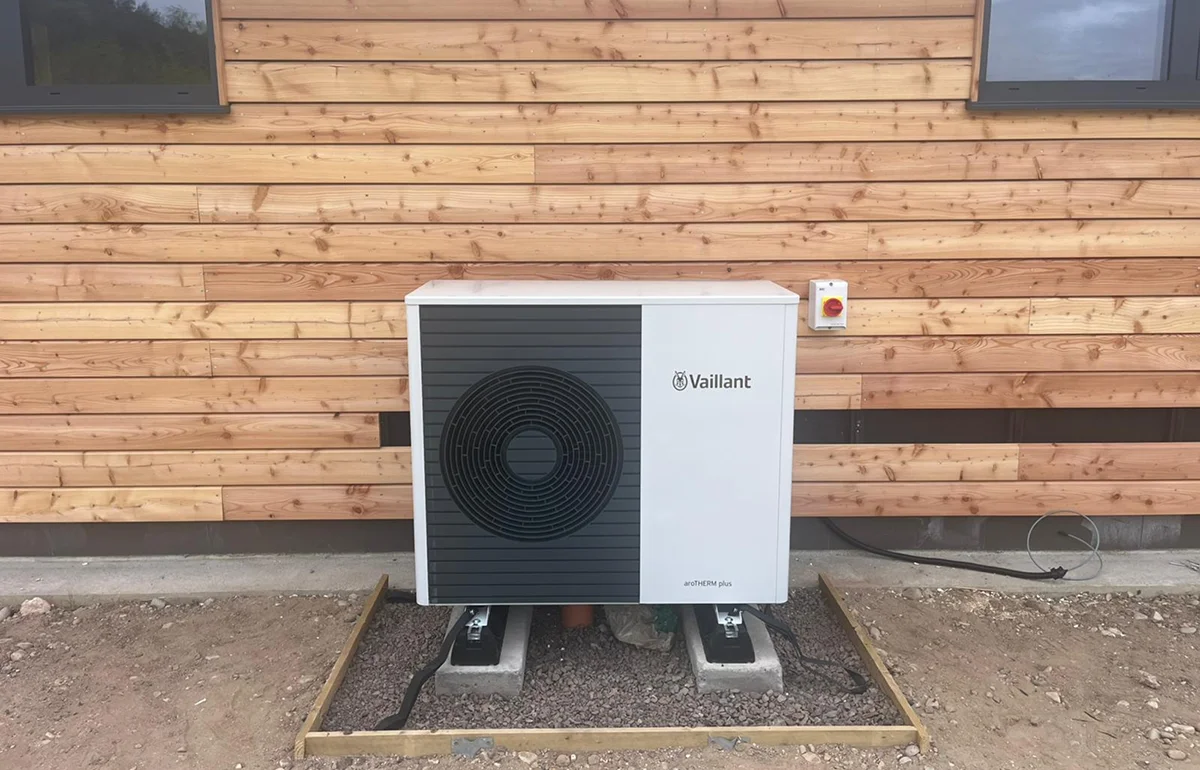
Why Some Heat Pumps Feel Expensive to Run (And How to Fix It)
Heat pumps are widely known for their efficiency, but some homeowners still feel their system costs more to run than expected.

Why you can trust our content
We know the plumbing and renewable energy industry can feel overwhelming, especially with conflicting advice and outdated information online. That’s why we base everything we do on clarity, expertise, and trusted sources:


At a glance
This situation can lead to confusion, particularly when heat pumps are promoted as a low-carbon and cost-effective alternative to traditional heating systems.
In reality, most concerns about running costs come down to a few specific factors. These often relate to how the system was designed, how the home retains heat, and how the heating controls are used day to day.
Understanding these elements helps homeowners identify where improvements can be made. If you are considering renewable heating or want to review your current system, speaking with a knowledgeable air source heat pump company elgin can help provide clear, practical guidance.
If you would like an expert assessment of your heating system, you can contact Plumbing & Renewables to discuss your options and request tailored advice.
Why Do Some Heat Pumps Seem Expensive to Run?
In most cases, heat pumps do not suddenly become inefficient. Instead, several factors can combine to increase energy consumption.
Common reasons include:
- Poor system design
- Incorrect heating settings
- High heat loss within the property
- Electricity tariffs that are not suited to heat pumps
Each of these factors can affect the amount of electricity required to heat the home.
For example, if the system is designed with water temperatures that are too high, efficiency may fall and energy use may increase.
Is the System Size Correct?
One of the most important aspects of any installation is correct sizing.
If a heat pump is too small for the property, it may struggle to maintain temperatures during colder weather. This can cause the system to run continuously at higher output levels.
If the system is too large, it may cycle on and off frequently, which also reduces efficiency.
Professional installers normally perform heat loss calculations to determine the correct system capacity for the property. Working with the best ashp installer elgin helps ensure this step is carried out accurately.
Could the Home Be Losing Too Much Heat?
Heat pumps perform best in properties that retain heat well. If a house loses warmth quickly, the heating system must work harder to maintain comfortable temperatures.
Common areas where heat loss occurs include:
- Loft spaces with insufficient insulation
- Older windows or glazing
- Uninsulated walls
- Draughts around doors and frames
Improving insulation does not just benefit heat pumps. It also reduces overall heating demand and helps maintain consistent indoor comfort.
Many homeowners notice that once insulation upgrades are completed, their system becomes more efficient.
Are Heating Controls Set Up Correctly?
Heating controls play a major role in heat pump performance.
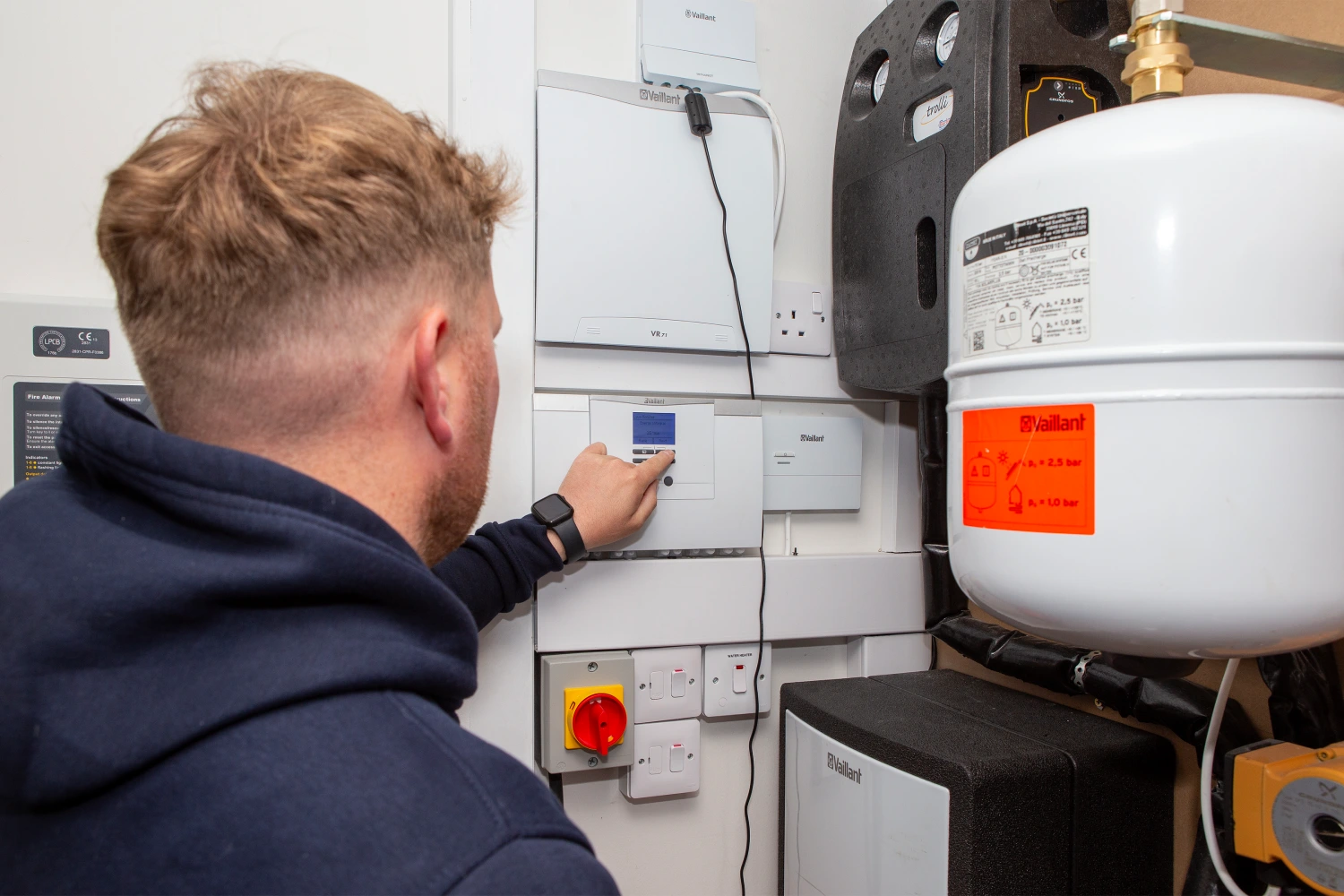
Unlike boilers, heat pumps are designed to maintain steady temperatures rather than producing short bursts of heat. When thermostats are frequently adjusted or the heating is switched on and off repeatedly, efficiency can drop.
Features that help optimise performance include:
- Weather compensation controls
- Smart thermostats
- Programmable heating schedules
These controls allow the system to adjust gradually based on outdoor temperatures and household demand.
An experienced air source heat pump company elgin will usually configure these settings during installation.
How Electricity Tariffs Affect Running Costs
Electricity prices can influence how much a heat pump costs to run.
Some tariffs offer lower prices during certain periods of the day. If heating schedules are aligned with these lower rates, running costs can be reduced.
However, not every tariff is suitable for every household. Usage patterns, property size, and heating demand all affect which tariff structure works best.
A qualified installer can often provide guidance on how energy tariffs may affect overall heating costs.
Which option best describes your home?
It just takes 2 minutes
And then you can book a free consultation
A Typical Example from an Elgin Property
Consider a homeowner who installed a heat pump to replace an older oil boiler.
During the first winter, electricity usage appeared higher than expected. After reviewing the system, two issues were identified.
First, the thermostat had been programmed with large temperature increases in the morning and evening. Second, loft insulation levels were below modern standards.
After adjusting the heating schedule and improving insulation, the system operated more efficiently and overall energy consumption dropped.
Situations like this highlight how several small factors can combine to influence running costs.
If you are concerned about the efficiency of your heating system, the team at Plumbing & Renewables can review your setup and provide practical recommendations.
Practical Ways to Reduce Heat Pump Running Costs
Most homeowners can improve efficiency with a few simple adjustments.
Maintain consistent temperatures
Avoid large temperature swings throughout the day.
Allow the system to run steadily
Continuous operation is often more efficient than short bursts of heating.
Check insulation levels
Reducing heat loss lowers energy demand.
Review heating controls
Ensure thermostats and schedules are correctly configured.
When these factors are addressed, many homeowners find their system operates far more efficiently.
What Role Does Installation Quality Play?
Heat pump systems rely heavily on correct installation and system design.
This includes:
- Accurate heat loss calculations
- Correct radiator sizing
- Proper pipework design
- Suitable system controls
If any of these elements are incorrect, performance may be affected.
Choosing the best ashp installer elgin helps ensure the system is designed to suit the property from the beginning.
Final Thoughts
Heat pumps are capable of delivering efficient and reliable heating, but their performance depends on several interconnected factors. System design, insulation, heating controls, and energy tariffs all influence running costs.
When homeowners understand how these elements work together, it becomes much easier to identify practical improvements.
Working with an experienced air source heat pump company elgin can help ensure systems are designed correctly and operating efficiently. If you would like tailored advice, the team at Plumbing & Renewables can provide guidance based on your home and heating requirements.
For personalised recommendations or a heating assessment, speak to Plumbing & Renewables today.
Related articles

Which option best describes your home?
At a glance
This situation can lead to confusion, particularly when heat pumps are promoted as a low-carbon and cost-effective alternative to traditional heating systems.
In reality, most concerns about running costs come down to a few specific factors. These often relate to how the system was designed, how the home retains heat, and how the heating controls are used day to day.
Understanding these elements helps homeowners identify where improvements can be made. If you are considering renewable heating or want to review your current system, speaking with a knowledgeable air source heat pump company elgin can help provide clear, practical guidance.
If you would like an expert assessment of your heating system, you can contact Plumbing & Renewables to discuss your options and request tailored advice.
Why Do Some Heat Pumps Seem Expensive to Run?
In most cases, heat pumps do not suddenly become inefficient. Instead, several factors can combine to increase energy consumption.
Common reasons include:
- Poor system design
- Incorrect heating settings
- High heat loss within the property
- Electricity tariffs that are not suited to heat pumps
Each of these factors can affect the amount of electricity required to heat the home.
For example, if the system is designed with water temperatures that are too high, efficiency may fall and energy use may increase.
Is the System Size Correct?
One of the most important aspects of any installation is correct sizing.
If a heat pump is too small for the property, it may struggle to maintain temperatures during colder weather. This can cause the system to run continuously at higher output levels.
If the system is too large, it may cycle on and off frequently, which also reduces efficiency.
Professional installers normally perform heat loss calculations to determine the correct system capacity for the property. Working with the best ashp installer elgin helps ensure this step is carried out accurately.
Could the Home Be Losing Too Much Heat?
Heat pumps perform best in properties that retain heat well. If a house loses warmth quickly, the heating system must work harder to maintain comfortable temperatures.
Common areas where heat loss occurs include:
- Loft spaces with insufficient insulation
- Older windows or glazing
- Uninsulated walls
- Draughts around doors and frames
Improving insulation does not just benefit heat pumps. It also reduces overall heating demand and helps maintain consistent indoor comfort.
Many homeowners notice that once insulation upgrades are completed, their system becomes more efficient.
Are Heating Controls Set Up Correctly?
Heating controls play a major role in heat pump performance.
Unlike boilers, heat pumps are designed to maintain steady temperatures rather than producing short bursts of heat. When thermostats are frequently adjusted or the heating is switched on and off repeatedly, efficiency can drop.
Features that help optimise performance include:
- Weather compensation controls
- Smart thermostats
- Programmable heating schedules
These controls allow the system to adjust gradually based on outdoor temperatures and household demand.
An experienced air source heat pump company elgin will usually configure these settings during installation.
How Electricity Tariffs Affect Running Costs
Electricity prices can influence how much a heat pump costs to run.
Some tariffs offer lower prices during certain periods of the day. If heating schedules are aligned with these lower rates, running costs can be reduced.
However, not every tariff is suitable for every household. Usage patterns, property size, and heating demand all affect which tariff structure works best.
A qualified installer can often provide guidance on how energy tariffs may affect overall heating costs.
Which option best describes your home?
It just takes 2 minutes
And then you can book a free consultation
A Typical Example from an Elgin Property
Consider a homeowner who installed a heat pump to replace an older oil boiler.
During the first winter, electricity usage appeared higher than expected. After reviewing the system, two issues were identified.
First, the thermostat had been programmed with large temperature increases in the morning and evening. Second, loft insulation levels were below modern standards.
After adjusting the heating schedule and improving insulation, the system operated more efficiently and overall energy consumption dropped.
Situations like this highlight how several small factors can combine to influence running costs.
If you are concerned about the efficiency of your heating system, the team at Plumbing & Renewables can review your setup and provide practical recommendations.
Practical Ways to Reduce Heat Pump Running Costs
Most homeowners can improve efficiency with a few simple adjustments.
Maintain consistent temperatures
Avoid large temperature swings throughout the day.
Allow the system to run steadily
Continuous operation is often more efficient than short bursts of heating.
Check insulation levels
Reducing heat loss lowers energy demand.
Review heating controls
Ensure thermostats and schedules are correctly configured.
When these factors are addressed, many homeowners find their system operates far more efficiently.
What Role Does Installation Quality Play?
Heat pump systems rely heavily on correct installation and system design.
This includes:
- Accurate heat loss calculations
- Correct radiator sizing
- Proper pipework design
- Suitable system controls
If any of these elements are incorrect, performance may be affected.
Choosing the best ashp installer elgin helps ensure the system is designed to suit the property from the beginning.
Final Thoughts
Heat pumps are capable of delivering efficient and reliable heating, but their performance depends on several interconnected factors. System design, insulation, heating controls, and energy tariffs all influence running costs.
When homeowners understand how these elements work together, it becomes much easier to identify practical improvements.
Working with an experienced air source heat pump company elgin can help ensure systems are designed correctly and operating efficiently. If you would like tailored advice, the team at Plumbing & Renewables can provide guidance based on your home and heating requirements.
For personalised recommendations or a heating assessment, speak to Plumbing & Renewables today.