
What Does an Air Source Heat Pump Really Cost to Run in Elgin?
Air source heat pumps are becoming an increasingly common way to heat homes across Moray. However, one of the most common questions homeowners ask before installing one is simple:

Why you can trust our content
We know the plumbing and renewable energy industry can feel overwhelming, especially with conflicting advice and outdated information online. That’s why we base everything we do on clarity, expertise, and trusted sources:


At a glance
what will it actually cost to run?
Understanding running costs is important because heating is typically the largest energy expense in a household. While heat pumps are known for their efficiency, the real cost depends on several factors such as insulation, system design, electricity tariffs, and how the system is used.
In this guide, we will explain what influences running costs, share typical energy use figures, and outline what homeowners in Elgin should realistically expect when calculating heat pump cost elgin over the long term.
If you would like personalised advice about running costs for your home, you can speak to our team or request a tailored heating assessment.
How Do Air Source Heat Pumps Generate Heat?
Before looking at costs, it helps to understand how the technology works.
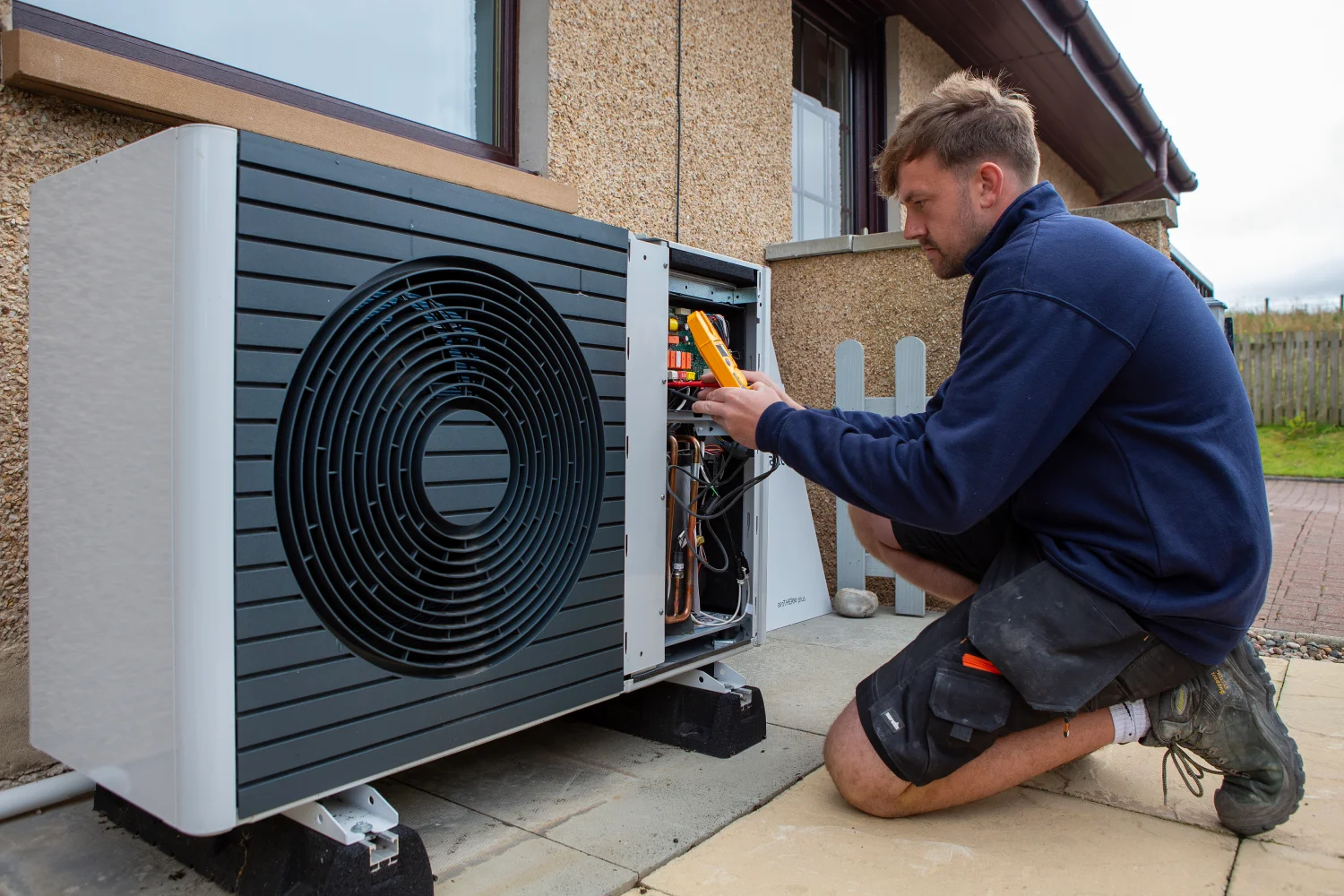
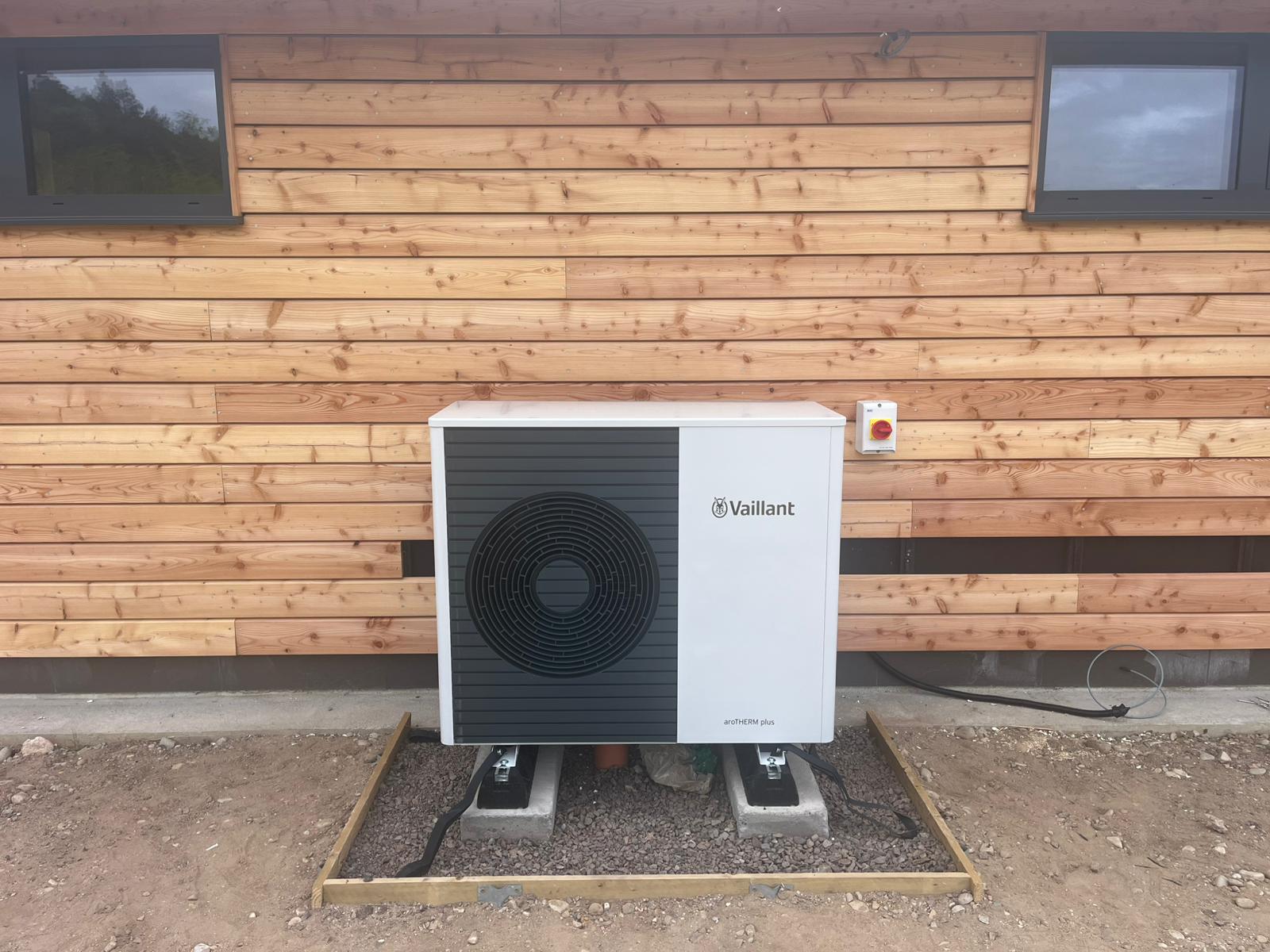
An air source heat pump extracts heat from outside air and transfers it into your home using electricity. Even when the outdoor temperature feels cold, there is still usable heat energy in the air.
Because the system moves heat rather than generating it directly, it can produce far more heat energy than the electricity it consumes. This efficiency is measured by a figure called the Coefficient of Performance (COP).
Typical systems may deliver:
- 3 units of heat for every 1 unit of electricity used
- Sometimes higher efficiency during milder weather
- Lower efficiency during very cold spells
This efficiency is a key reason why the long-term air source heat pump cost elgin can often be competitive with traditional heating systems.
What Factors Affect Running Costs?
Several variables influence how much electricity a heat pump will consume.
Property insulation
Well-insulated homes retain heat more effectively, reducing overall demand.
Important factors include:
- Loft insulation
- Wall insulation
- Double or triple glazing
- Draught reduction
Poor insulation increases energy demand regardless of heating type.
System design
Correct sizing and design are essential.
A properly designed system should consider:
- heat loss calculations
- radiator sizing
- flow temperatures
- hot water requirements
Poor design can significantly increase operating costs.
Electricity tariffs
Electricity pricing plays a major role. Some households reduce costs by using:
- off-peak tariffs
- smart energy plans
- time-of-use tariffs designed for electric heating
User behaviour
Heat pumps operate differently from gas or oil boilers.
Instead of turning heating on and off aggressively, they are designed to run steadily at lower temperatures throughout the day.
Using them like a traditional boiler can lead to higher energy use.
What Are Typical Annual Running Costs?
Actual figures vary, but a general comparison can help illustrate potential costs.
| Property Type | Approx Heat Demand | Estimated Annual Electricity Use | Approx Running Cost |
| Small well-insulated home | 8,000 kWh | 2,500 – 3,000 kWh | £700 – £900 |
| Average family home | 12,000 kWh | 3,500 – 4,500 kWh | £900 – £1,300 |
| Larger older property | 18,000 kWh | 5,500 – 6,500 kWh | £1,400 – £1,900 |
These figures depend heavily on electricity tariffs and property efficiency.
When people search for heat pump cost elgin, they are often trying to understand how these numbers compare with existing oil, LPG, or electric heating systems.
In many cases, modern heat pumps are competitive or cheaper to run, especially in homes currently using direct electric heating.
Do Heat Pumps Work Efficiently in Cold Weather?
Yes. Modern systems are specifically designed to operate in colder climates.
Many units continue working effectively in temperatures well below freezing. In northern Scotland, properly installed systems often run efficiently during winter conditions.
However, performance depends heavily on correct system specification. This is why working with an experienced installer is important when assessing long-term air source heat pump cost elgin.
Which option best describes your home?
It just takes 2 minutes
And then you can book a free consultation
Why Do Some Homeowners Experience Higher Bills?
Is the system being used like a traditional boiler?
One of the most common issues is switching the heating on and off frequently.
Heat pumps work best when maintaining a stable indoor temperature.
Was the system designed correctly?
Oversized or undersized systems can both lead to inefficiency.
A professional installer should calculate the home’s heat loss before specifying equipment.
Are radiators large enough?
Heat pumps typically operate with lower flow temperatures than gas boilers.
This means radiators may need upgrading to deliver the same comfort level.
If you want to understand the expected running costs for your specific home, our team can provide a tailored assessment based on property size, insulation, and heating demand.
Example Scenario: A Typical Moray Home
Consider a semi-detached home built in the 1990s with moderate insulation.
Before installing a heat pump, the property used oil heating costing approximately £1,500 per year.
After installing a modern heat pump system:
- annual electricity consumption for heating averaged around 4,000 kWh
- energy costs dropped to roughly £1,050 per year
- indoor temperatures became more consistent
This type of improvement is common when older heating systems are replaced with modern renewable alternatives.
How Can You Reduce Running Costs?
Several practical steps can help maximise efficiency.
Improve insulation first
Insulation improvements often deliver the biggest cost savings.
Use smart controls
Smart thermostats allow homeowners to optimise heating schedules and avoid unnecessary energy use.
Maintain the system
Regular servicing ensures the system continues operating efficiently.
Choose the right tariff
Energy tariffs designed for electric heating can reduce overall operating costs.
Is a Heat Pump Always Cheaper to Run?
Not always.
Running costs depend on the condition of the home and the system design.
For example:
- a poorly insulated home may see smaller savings
- electricity price fluctuations can affect costs
- incorrect system specification can reduce efficiency
This is why professional system design and installation play such an important role.
Related articles

Which option best describes your home?
At a glance
what will it actually cost to run?
Understanding running costs is important because heating is typically the largest energy expense in a household. While heat pumps are known for their efficiency, the real cost depends on several factors such as insulation, system design, electricity tariffs, and how the system is used.
In this guide, we will explain what influences running costs, share typical energy use figures, and outline what homeowners in Elgin should realistically expect when calculating heat pump cost elgin over the long term.
If you would like personalised advice about running costs for your home, you can speak to our team or request a tailored heating assessment.
How Do Air Source Heat Pumps Generate Heat?
Before looking at costs, it helps to understand how the technology works.
An air source heat pump extracts heat from outside air and transfers it into your home using electricity. Even when the outdoor temperature feels cold, there is still usable heat energy in the air.
Because the system moves heat rather than generating it directly, it can produce far more heat energy than the electricity it consumes. This efficiency is measured by a figure called the Coefficient of Performance (COP).
Typical systems may deliver:
- 3 units of heat for every 1 unit of electricity used
- Sometimes higher efficiency during milder weather
- Lower efficiency during very cold spells
This efficiency is a key reason why the long-term air source heat pump cost elgin can often be competitive with traditional heating systems.
What Factors Affect Running Costs?
Several variables influence how much electricity a heat pump will consume.
Property insulation
Well-insulated homes retain heat more effectively, reducing overall demand.
Important factors include:
- Loft insulation
- Wall insulation
- Double or triple glazing
- Draught reduction
Poor insulation increases energy demand regardless of heating type.
System design
Correct sizing and design are essential.
A properly designed system should consider:
- heat loss calculations
- radiator sizing
- flow temperatures
- hot water requirements
Poor design can significantly increase operating costs.
Electricity tariffs
Electricity pricing plays a major role. Some households reduce costs by using:
- off-peak tariffs
- smart energy plans
- time-of-use tariffs designed for electric heating
User behaviour
Heat pumps operate differently from gas or oil boilers.
Instead of turning heating on and off aggressively, they are designed to run steadily at lower temperatures throughout the day.
Using them like a traditional boiler can lead to higher energy use.
What Are Typical Annual Running Costs?
Actual figures vary, but a general comparison can help illustrate potential costs.
| Property Type | Approx Heat Demand | Estimated Annual Electricity Use | Approx Running Cost |
| Small well-insulated home | 8,000 kWh | 2,500 – 3,000 kWh | £700 – £900 |
| Average family home | 12,000 kWh | 3,500 – 4,500 kWh | £900 – £1,300 |
| Larger older property | 18,000 kWh | 5,500 – 6,500 kWh | £1,400 – £1,900 |
These figures depend heavily on electricity tariffs and property efficiency.
When people search for heat pump cost elgin, they are often trying to understand how these numbers compare with existing oil, LPG, or electric heating systems.
In many cases, modern heat pumps are competitive or cheaper to run, especially in homes currently using direct electric heating.
Do Heat Pumps Work Efficiently in Cold Weather?
Yes. Modern systems are specifically designed to operate in colder climates.
Many units continue working effectively in temperatures well below freezing. In northern Scotland, properly installed systems often run efficiently during winter conditions.
However, performance depends heavily on correct system specification. This is why working with an experienced installer is important when assessing long-term air source heat pump cost elgin.
Which option best describes your home?
It just takes 2 minutes
And then you can book a free consultation
Why Do Some Homeowners Experience Higher Bills?
Is the system being used like a traditional boiler?
One of the most common issues is switching the heating on and off frequently.
Heat pumps work best when maintaining a stable indoor temperature.
Was the system designed correctly?
Oversized or undersized systems can both lead to inefficiency.
A professional installer should calculate the home’s heat loss before specifying equipment.
Are radiators large enough?
Heat pumps typically operate with lower flow temperatures than gas boilers.
This means radiators may need upgrading to deliver the same comfort level.
If you want to understand the expected running costs for your specific home, our team can provide a tailored assessment based on property size, insulation, and heating demand.
Example Scenario: A Typical Moray Home
Consider a semi-detached home built in the 1990s with moderate insulation.
Before installing a heat pump, the property used oil heating costing approximately £1,500 per year.
After installing a modern heat pump system:
- annual electricity consumption for heating averaged around 4,000 kWh
- energy costs dropped to roughly £1,050 per year
- indoor temperatures became more consistent
This type of improvement is common when older heating systems are replaced with modern renewable alternatives.
How Can You Reduce Running Costs?
Several practical steps can help maximise efficiency.
Improve insulation first
Insulation improvements often deliver the biggest cost savings.
Use smart controls
Smart thermostats allow homeowners to optimise heating schedules and avoid unnecessary energy use.
Maintain the system
Regular servicing ensures the system continues operating efficiently.
Choose the right tariff
Energy tariffs designed for electric heating can reduce overall operating costs.
Is a Heat Pump Always Cheaper to Run?
Not always.
Running costs depend on the condition of the home and the system design.
For example:
- a poorly insulated home may see smaller savings
- electricity price fluctuations can affect costs
- incorrect system specification can reduce efficiency
This is why professional system design and installation play such an important role.