
What Happens During a Heat Pump Installation Day in Elgin?
Having an air source heat pump installed is a significant change to your home’s heating system, and knowing what happens on installation day can make the process feel much more straightforward.

Why you can trust our content
We know the plumbing and renewable energy industry can feel overwhelming, especially with conflicting advice and outdated information online. That’s why we base everything we do on clarity, expertise, and trusted sources:


At a glance
A typical heat pump installation Elgin project involves more than fitting an outdoor unit. The installation team may need to work both outside and inside the property, connect the new heating equipment, make changes to pipework or radiators, configure the controls and complete a series of checks before handing the system over.
The exact process varies depending on the property and system design, but understanding the main stages can help you prepare properly and know what to expect.
If you are planning a heat pump installation and want to understand how the proposed system will work in your home, contact Plumbing & Renewables for tailored advice and a property-specific quotation.
What happens when the installation team arrives?
The first stage is usually a review of the planned work.
Before tools come out, the installers may confirm the location of the outdoor unit, indoor equipment, hot water cylinder, controls and relevant pipework. They may also check access and make sure the installation matches the agreed quotation.
This is a useful opportunity to raise any last-minute questions.
The team may confirm:
- Where the outdoor unit will be positioned
- Where indoor components will be installed
- Which radiators or pipework require attention
- Where the controls will be located
- How equipment will be brought into the property
- Which areas need to remain accessible during the work
For a well-planned ASHP installation Elgin homeowners should receive a clear explanation of what is going to happen before the main installation work begins.
How is the outdoor heat pump installed?
The outdoor unit needs a suitable position that allows the system to operate correctly and remain accessible for maintenance.
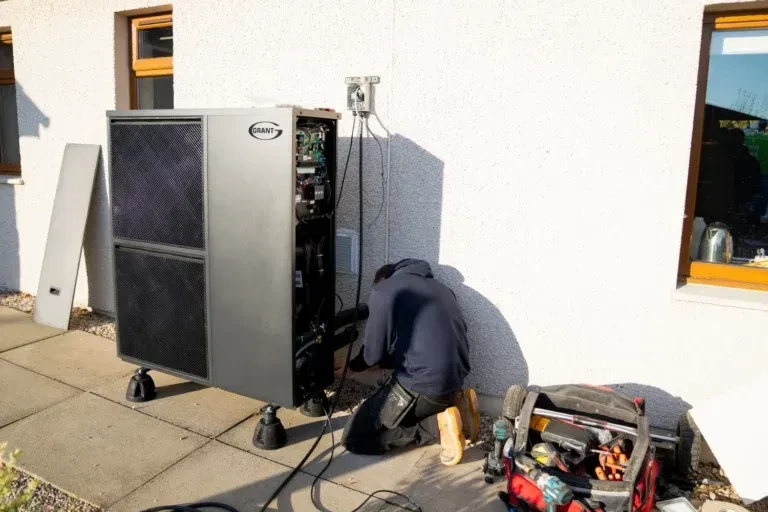
The installer will prepare the agreed location and position the unit securely. Pipework and electrical connections will then be routed between the outdoor equipment and the relevant indoor components.
The exact arrangement depends on the property, system design and location selected during the planning stage.
The installation team should also consider practical issues such as access, drainage and maintaining appropriate clearance around the equipment.
What happens inside the property?
Much of the work involved in a heat pump installation can take place indoors.
Depending on the system, installers may need to work on:
- The hot water cylinder
- Heating pipework
- Radiators
- Heating controls
- Electrical connections
- Existing boiler or heating equipment
- Associated valves and components
The amount of indoor work depends on the existing heating system and how much preparation was identified during the survey.
A newer property with a suitable heating system may require fewer alterations than an older home where radiators or pipework need to be adapted.
Does the existing heating system need to be changed?
Sometimes.
Air source heat pumps typically operate at lower flow temperatures than many conventional boilers. This means the existing heating emitters need to be assessed to ensure they can provide the required heat.
Some radiators may be suitable without modification.
Others may need to be replaced with larger or more appropriate models.
The same principle applies to pipework, hot water arrangements and controls. The installer should identify these requirements before installation wherever possible, rather than discovering major changes unexpectedly on the day.
How long does heat pump installation take?
There is no single installation time that applies to every home.
A straightforward project may be completed relatively quickly, while a more involved installation can take longer if significant heating system modifications are required.
Factors affecting the timescale can include:
| Factor | Potential impact |
| Property size | Larger systems can involve more equipment and pipework |
| Existing heating system | Older systems may require more alterations |
| Radiators | Replacement or repositioning adds work |
| Hot water | Cylinder installation affects the indoor work |
| Pipework | Complex routes can increase installation time |
| Access | Difficult access can make equipment movement harder |
| Electrical work | Additional electrical requirements may add time |
| Removal work | Existing heating equipment may need to be removed |
A good installer should provide an expected timescale before work begins and explain if the project is likely to require more than one day.
If you are comparing heat pump installation Elgin projects and want to understand what work your own property may require, Plumbing & Renewables can discuss the proposed installation and expected process with you.
What happens to the old boiler?
If the heat pump is replacing an existing boiler, the quotation should explain whether removal and disposal are included.
The installer may need to disconnect the existing boiler and associated equipment before connecting the new heating system.
However, the exact approach depends on the system design.
In some circumstances, existing equipment may be retained temporarily or form part of a different heating arrangement. This should be agreed before installation rather than assumed.
If removal is included, ask whether the quotation covers disposal and any associated work.
Which option best describes your home?
It just takes 2 minutes
And then you can book a free consultation
What happens when the new system is connected?
Once the equipment and relevant pipework are in place, the installer can complete the system connections.
This can involve connecting:
- The outdoor heat pump
- Heating circuits
- Hot water equipment
- Controls
- Electrical supplies
- Relevant valves and components
The system then needs to be checked carefully before it is put into normal operation.
This stage is important because the installation is not complete simply because the equipment has been physically fitted.
Why is commissioning an important part of installation day?
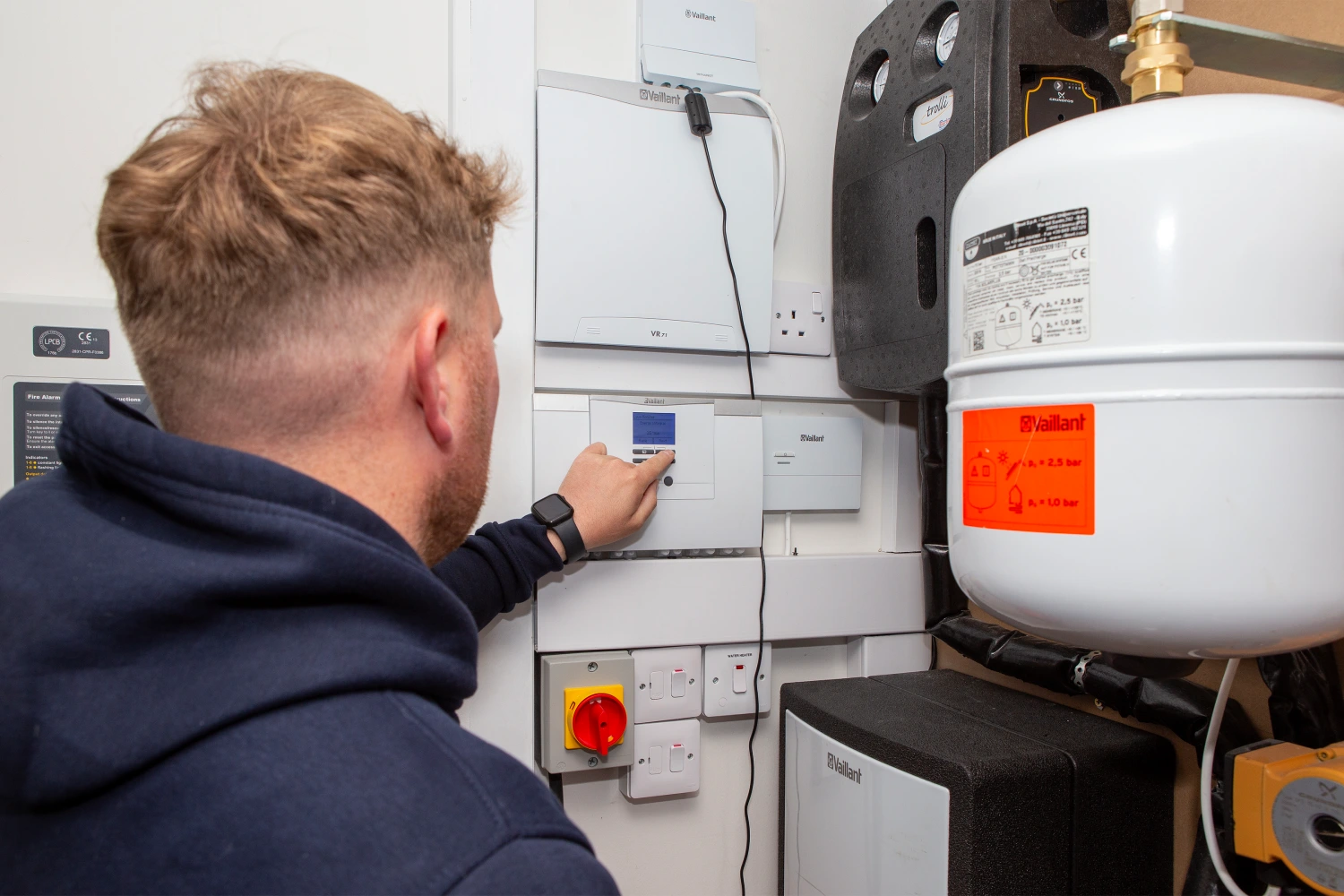
Commissioning involves checking and configuring the system so that it can operate as intended.
The installer may check system settings, controls, temperatures and other relevant operating parameters.
They should also verify that the installation is functioning correctly and identify any issues before handing the system over.
Commissioning provides an important bridge between installation and everyday use.
For homeowners, it is also an opportunity to understand how the system is expected to operate.
What will the installer explain during the handover?
The final handover should give you practical information about using the heating system.
This may include an explanation of:
- Thermostat controls
- Heating schedules
- Hot water settings
- Temperature adjustments
- System indicators
- Basic troubleshooting
- Maintenance requirements
- Warranty information
Heat pumps can behave differently from conventional boilers, so it is worth paying attention during this part of the process.
If something is unclear, ask the installer to demonstrate it rather than relying on assumptions later.
What should you receive after the installation?
The paperwork provided will depend on the system and installation arrangements, but homeowners should expect relevant documentation covering the completed work.
This may include:
- Equipment information
- Warranty details
- Commissioning information
- Operating instructions
- Certification
- Installer contact details
- Maintenance guidance
Keep these documents somewhere accessible.
They can be useful if you need to contact the installer, arrange future maintenance or make a warranty enquiry.
A typical installation day in Elgin
Imagine a homeowner in Elgin replacing an older gas boiler with an air source heat pump.
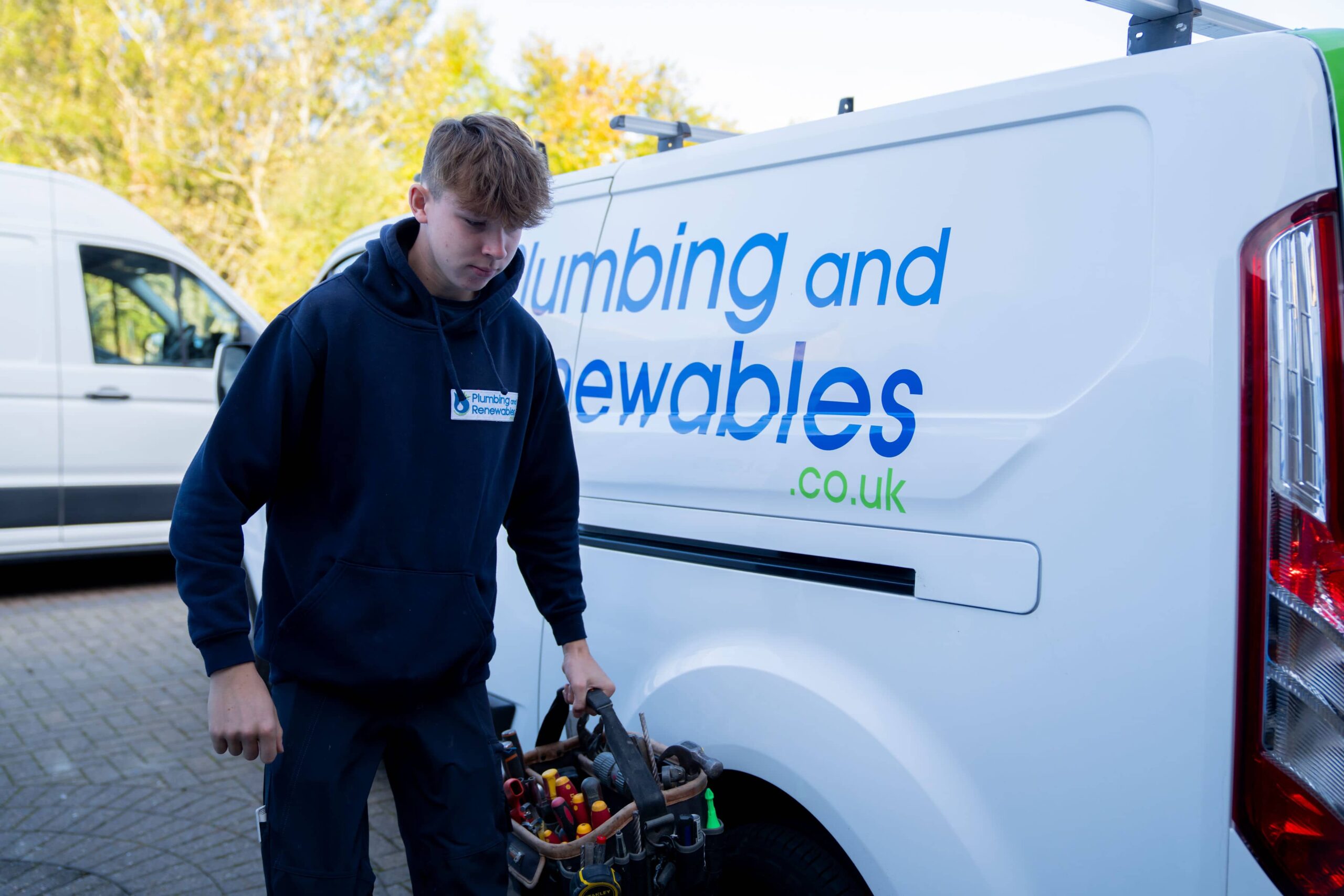
The installers arrive in the morning and review the planned equipment locations before protecting the relevant working areas. Outside, the heat pump unit is positioned on its prepared base. Inside, work begins on the hot water cylinder, pipework and controls.
The team then connects the system, completes the required checks and commissions the equipment. Before leaving, the installer talks the homeowner through the controls and explains what to expect from the new heating system.
The process is likely to be more straightforward because the main requirements were identified during the earlier assessment and quotation stage.
What can homeowners do to make installation day easier?
A little preparation can help the work progress smoothly.
Before the installers arrive:
- Make sure agreed access routes are clear.
- Remove fragile items from areas where work will take place.
- Keep children and pets away from active work areas.
- Make sure the team can access radiators, controls and relevant equipment.
- Confirm where vehicles or equipment can be positioned.
- Keep the quotation and relevant documents available.
- Allow time for the final handover.
You may also want to ask whether there will be periods when heating or hot water is unavailable.
Understanding this beforehand makes it easier to plan around the installation.
If you are preparing for ASHP installation Elgin homeowners can benefit from discussing access, preparation and the handover process with the installer beforehand. Contact Plumbing & Renewables to discuss your property and installation requirements.
Final thoughts
Installation day is the point where careful planning becomes a working heating system. The process can involve outdoor equipment, indoor pipework, hot water components, controls and potentially changes to radiators or other parts of the existing system.
The smoother projects are usually those where the property has been properly assessed, the scope of work is clear and the homeowner understands what will happen before the installers arrive.
For homeowners planning heat pump installation Elgin, Plumbing & Renewables can provide practical guidance from the initial discussion through to installation and handover. Understanding the process in advance can make the transition to renewable heating much easier and give you greater confidence in the finished system.
Related articles

Which option best describes your home?
At a glance
A typical heat pump installation Elgin project involves more than fitting an outdoor unit. The installation team may need to work both outside and inside the property, connect the new heating equipment, make changes to pipework or radiators, configure the controls and complete a series of checks before handing the system over.
The exact process varies depending on the property and system design, but understanding the main stages can help you prepare properly and know what to expect.
If you are planning a heat pump installation and want to understand how the proposed system will work in your home, contact Plumbing & Renewables for tailored advice and a property-specific quotation.
What happens when the installation team arrives?
The first stage is usually a review of the planned work.
Before tools come out, the installers may confirm the location of the outdoor unit, indoor equipment, hot water cylinder, controls and relevant pipework. They may also check access and make sure the installation matches the agreed quotation.
This is a useful opportunity to raise any last-minute questions.
The team may confirm:
- Where the outdoor unit will be positioned
- Where indoor components will be installed
- Which radiators or pipework require attention
- Where the controls will be located
- How equipment will be brought into the property
- Which areas need to remain accessible during the work
For a well-planned ASHP installation Elgin homeowners should receive a clear explanation of what is going to happen before the main installation work begins.
How is the outdoor heat pump installed?
The outdoor unit needs a suitable position that allows the system to operate correctly and remain accessible for maintenance.
The installer will prepare the agreed location and position the unit securely. Pipework and electrical connections will then be routed between the outdoor equipment and the relevant indoor components.
The exact arrangement depends on the property, system design and location selected during the planning stage.
The installation team should also consider practical issues such as access, drainage and maintaining appropriate clearance around the equipment.
What happens inside the property?
Much of the work involved in a heat pump installation can take place indoors.
Depending on the system, installers may need to work on:
- The hot water cylinder
- Heating pipework
- Radiators
- Heating controls
- Electrical connections
- Existing boiler or heating equipment
- Associated valves and components
The amount of indoor work depends on the existing heating system and how much preparation was identified during the survey.
A newer property with a suitable heating system may require fewer alterations than an older home where radiators or pipework need to be adapted.
Does the existing heating system need to be changed?
Sometimes.
Air source heat pumps typically operate at lower flow temperatures than many conventional boilers. This means the existing heating emitters need to be assessed to ensure they can provide the required heat.
Some radiators may be suitable without modification.
Others may need to be replaced with larger or more appropriate models.
The same principle applies to pipework, hot water arrangements and controls. The installer should identify these requirements before installation wherever possible, rather than discovering major changes unexpectedly on the day.
How long does heat pump installation take?
There is no single installation time that applies to every home.
A straightforward project may be completed relatively quickly, while a more involved installation can take longer if significant heating system modifications are required.
Factors affecting the timescale can include:
| Factor | Potential impact |
| Property size | Larger systems can involve more equipment and pipework |
| Existing heating system | Older systems may require more alterations |
| Radiators | Replacement or repositioning adds work |
| Hot water | Cylinder installation affects the indoor work |
| Pipework | Complex routes can increase installation time |
| Access | Difficult access can make equipment movement harder |
| Electrical work | Additional electrical requirements may add time |
| Removal work | Existing heating equipment may need to be removed |
A good installer should provide an expected timescale before work begins and explain if the project is likely to require more than one day.
If you are comparing heat pump installation Elgin projects and want to understand what work your own property may require, Plumbing & Renewables can discuss the proposed installation and expected process with you.
What happens to the old boiler?
If the heat pump is replacing an existing boiler, the quotation should explain whether removal and disposal are included.
The installer may need to disconnect the existing boiler and associated equipment before connecting the new heating system.
However, the exact approach depends on the system design.
In some circumstances, existing equipment may be retained temporarily or form part of a different heating arrangement. This should be agreed before installation rather than assumed.
If removal is included, ask whether the quotation covers disposal and any associated work.
Which option best describes your home?
It just takes 2 minutes
And then you can book a free consultation
What happens when the new system is connected?
Once the equipment and relevant pipework are in place, the installer can complete the system connections.
This can involve connecting:
- The outdoor heat pump
- Heating circuits
- Hot water equipment
- Controls
- Electrical supplies
- Relevant valves and components
The system then needs to be checked carefully before it is put into normal operation.
This stage is important because the installation is not complete simply because the equipment has been physically fitted.
Why is commissioning an important part of installation day?
Commissioning involves checking and configuring the system so that it can operate as intended.
The installer may check system settings, controls, temperatures and other relevant operating parameters.
They should also verify that the installation is functioning correctly and identify any issues before handing the system over.
Commissioning provides an important bridge between installation and everyday use.
For homeowners, it is also an opportunity to understand how the system is expected to operate.
What will the installer explain during the handover?
The final handover should give you practical information about using the heating system.
This may include an explanation of:
- Thermostat controls
- Heating schedules
- Hot water settings
- Temperature adjustments
- System indicators
- Basic troubleshooting
- Maintenance requirements
- Warranty information
Heat pumps can behave differently from conventional boilers, so it is worth paying attention during this part of the process.
If something is unclear, ask the installer to demonstrate it rather than relying on assumptions later.
What should you receive after the installation?
The paperwork provided will depend on the system and installation arrangements, but homeowners should expect relevant documentation covering the completed work.
This may include:
- Equipment information
- Warranty details
- Commissioning information
- Operating instructions
- Certification
- Installer contact details
- Maintenance guidance
Keep these documents somewhere accessible.
They can be useful if you need to contact the installer, arrange future maintenance or make a warranty enquiry.
A typical installation day in Elgin
Imagine a homeowner in Elgin replacing an older gas boiler with an air source heat pump.
The installers arrive in the morning and review the planned equipment locations before protecting the relevant working areas. Outside, the heat pump unit is positioned on its prepared base. Inside, work begins on the hot water cylinder, pipework and controls.
The team then connects the system, completes the required checks and commissions the equipment. Before leaving, the installer talks the homeowner through the controls and explains what to expect from the new heating system.
The process is likely to be more straightforward because the main requirements were identified during the earlier assessment and quotation stage.
What can homeowners do to make installation day easier?
A little preparation can help the work progress smoothly.
Before the installers arrive:
- Make sure agreed access routes are clear.
- Remove fragile items from areas where work will take place.
- Keep children and pets away from active work areas.
- Make sure the team can access radiators, controls and relevant equipment.
- Confirm where vehicles or equipment can be positioned.
- Keep the quotation and relevant documents available.
- Allow time for the final handover.
You may also want to ask whether there will be periods when heating or hot water is unavailable.
Understanding this beforehand makes it easier to plan around the installation.
If you are preparing for ASHP installation Elgin homeowners can benefit from discussing access, preparation and the handover process with the installer beforehand. Contact Plumbing & Renewables to discuss your property and installation requirements.
Final thoughts
Installation day is the point where careful planning becomes a working heating system. The process can involve outdoor equipment, indoor pipework, hot water components, controls and potentially changes to radiators or other parts of the existing system.
The smoother projects are usually those where the property has been properly assessed, the scope of work is clear and the homeowner understands what will happen before the installers arrive.
For homeowners planning heat pump installation Elgin, Plumbing & Renewables can provide practical guidance from the initial discussion through to installation and handover. Understanding the process in advance can make the transition to renewable heating much easier and give you greater confidence in the finished system.