

Heat Pump Cost in Elgin: Winter Efficiency and Running Costs
When winter arrives, homeowners naturally pay closer attention to heating bills. For those considering a heat pump, or already using one, the big question is how costs behave during the coldest months.

Why you can trust our content
We know the plumbing and renewable energy industry can feel overwhelming, especially with conflicting advice and outdated information online. That’s why we base everything we do on clarity, expertise, and trusted sources:


At a glance
In Elgin, where winter demand is steady rather than extreme, understanding what drives running costs can remove a lot of uncertainty.
Heat pumps do not work like boilers. Their costs are shaped by efficiency, system design and how the home is heated day to day. Knowing what to expect helps homeowners plan confidently and avoid surprises.
If you want a clearer picture of likely winter costs for your home, our team can provide tailored guidance based on your property and usage.
What actually determines winter heat pump running costs?
Winter running costs are influenced by several connected factors rather than a single price point. The main drivers include:
- Heat loss of the property
- System efficiency in cold weather
- Electricity tariff structure
- Heating habits and control settings
Because heat pumps deliver steady background heat, costs tend to be more predictable than systems that cycle on and off.
How does property insulation affect winter costs?
Insulation plays a major role in winter efficiency. Homes that hold heat well require less energy to maintain comfortable temperatures.
Key areas that affect costs include:
- Loft insulation depth and condition
- Wall construction and insulation
- Draught proofing around doors and windows
- Pipe insulation within the heating system
Improving insulation often reduces the heat pump cost Elgin homeowners experience month to month more effectively than adjusting settings alone.
Does cold weather make heat pumps expensive to run?
Modern air source heat pumps are designed for cold climates. Even when temperatures drop, they continue extracting heat from the air efficiently.
In winter, costs rise mainly because:
- Heating runs for longer hours
- Hot water demand may increase
- Homes lose heat faster outdoors
This does not mean heat pumps suddenly become inefficient. Instead, they maintain stable efficiency while demand increases, leading to higher overall usage rather than poorer performance.
Which option best describes your home?
It just takes 2 minutes
And then you can book a free consultation
How do tariffs influence winter running costs?
Electricity tariffs can have a noticeable impact on winter costs. Some homeowners benefit from:
- Time of use tariffs
- Overnight rates for hot water heating
- Smart controls that align heating with lower cost periods
A well designed system can take advantage of these options without compromising comfort. This is often discussed during installation and commissioning to ensure controls are set up appropriately.
Typical winter running cost comparison
The table below provides a simplified comparison of winter running costs for a typical family home in Elgin, assuming reasonable insulation and correct system design.
| Heating system | Winter running cost trend | Cost stability |
| Air source heat pump | Moderate and predictable | High |
| Gas boiler | Variable with gas prices | Medium |
| Oil boiler | High and price dependent | Low |
| Direct electric heating | Highest during winter | Low |
This comparison helps explain why many homeowners see stable costs from heat pumps even during peak winter demand.
How does system design affect winter efficiency?
System design has a direct effect on the ashp cost Elgin homeowners experience in winter.
Good design includes:
- Correct heat pump sizing
- Radiators suitable for low flow temperatures
- Balanced heating circuits
- Controls set for steady operation
Poorly designed systems may rely on higher temperatures or backup heating, increasing electricity use unnecessarily.
If you are unsure whether your system is optimised for winter, our installers can review settings and design details to improve efficiency.
Example: winter costs in an Elgin family home
A four bedroom home in Elgin replaces an oil boiler with a heat pump. During the first winter:
- Heating runs longer but more steadily
- Monthly costs remain consistent
- The household notices fewer spikes compared to oil deliveries
After adjusting controls slightly and understanding how the system works, the homeowners feel confident managing winter heating without sudden cost increases.
Can winter running costs be reduced over time?
Yes. Many homeowners find that winter costs reduce slightly after the first season as:
- Controls are fine tuned
- Heating habits adapt to steady warmth
- Insulation improvements are completed
- Servicing keeps efficiency high
This learning period is normal and supported by experienced installers who explain how small adjustments influence energy use.
What should homeowners monitor during winter?
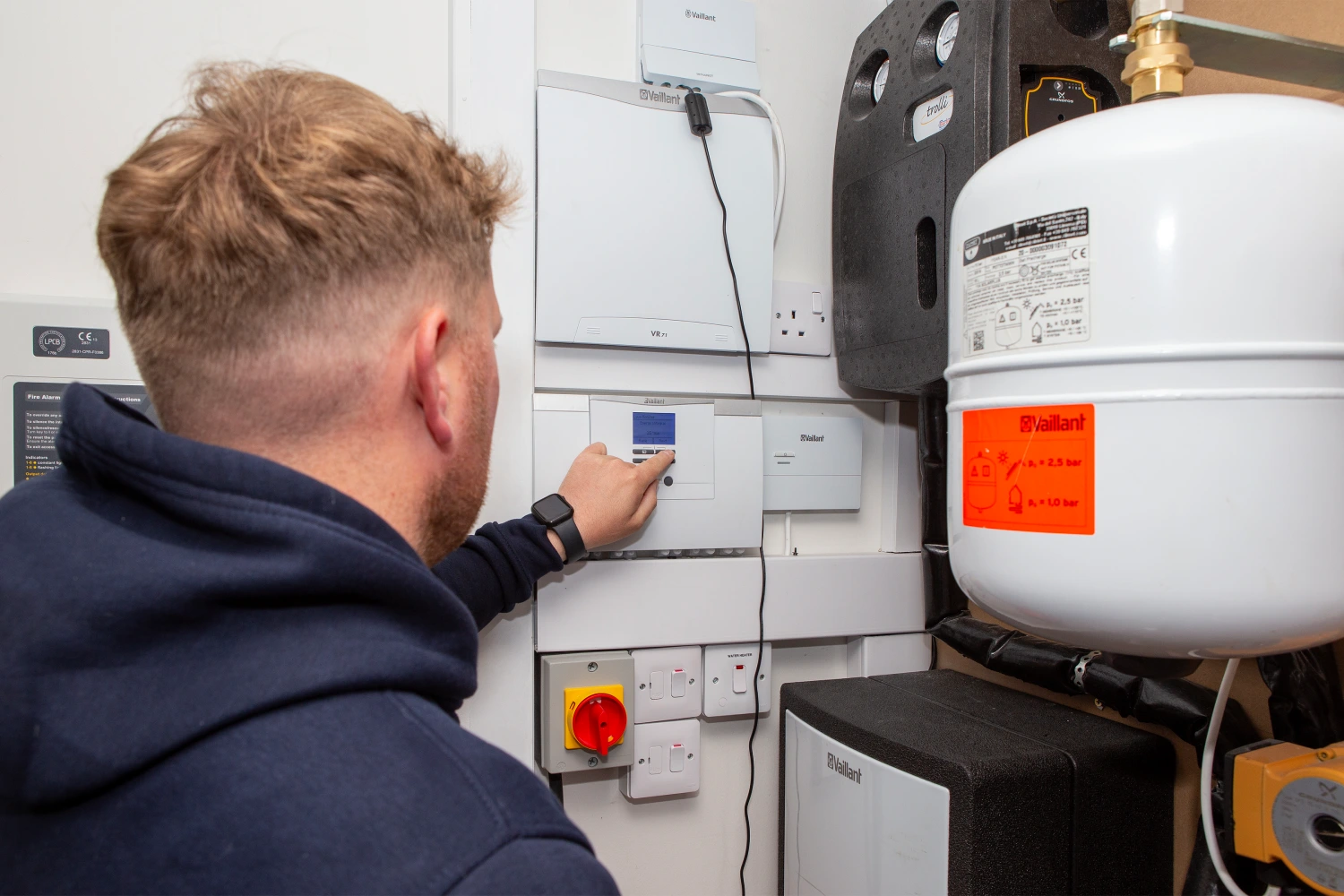
Monitoring helps spot inefficiencies early. Useful checks include:
- Reviewing monthly electricity usage
- Noting changes after control adjustments
- Checking that rooms heat evenly
- Keeping the outdoor unit clear
These observations help installers provide more accurate advice if changes are needed.
Related articles

Which option best describes your home?
At a glance
In Elgin, where winter demand is steady rather than extreme, understanding what drives running costs can remove a lot of uncertainty.
Heat pumps do not work like boilers. Their costs are shaped by efficiency, system design and how the home is heated day to day. Knowing what to expect helps homeowners plan confidently and avoid surprises.
If you want a clearer picture of likely winter costs for your home, our team can provide tailored guidance based on your property and usage.
What actually determines winter heat pump running costs?
Winter running costs are influenced by several connected factors rather than a single price point. The main drivers include:
- Heat loss of the property
- System efficiency in cold weather
- Electricity tariff structure
- Heating habits and control settings
Because heat pumps deliver steady background heat, costs tend to be more predictable than systems that cycle on and off.
How does property insulation affect winter costs?
Insulation plays a major role in winter efficiency. Homes that hold heat well require less energy to maintain comfortable temperatures.
Key areas that affect costs include:
- Loft insulation depth and condition
- Wall construction and insulation
- Draught proofing around doors and windows
- Pipe insulation within the heating system
Improving insulation often reduces the heat pump cost Elgin homeowners experience month to month more effectively than adjusting settings alone.
Does cold weather make heat pumps expensive to run?
Modern air source heat pumps are designed for cold climates. Even when temperatures drop, they continue extracting heat from the air efficiently.
In winter, costs rise mainly because:
- Heating runs for longer hours
- Hot water demand may increase
- Homes lose heat faster outdoors
This does not mean heat pumps suddenly become inefficient. Instead, they maintain stable efficiency while demand increases, leading to higher overall usage rather than poorer performance.
Which option best describes your home?
It just takes 2 minutes
And then you can book a free consultation
How do tariffs influence winter running costs?
Electricity tariffs can have a noticeable impact on winter costs. Some homeowners benefit from:
- Time of use tariffs
- Overnight rates for hot water heating
- Smart controls that align heating with lower cost periods
A well designed system can take advantage of these options without compromising comfort. This is often discussed during installation and commissioning to ensure controls are set up appropriately.
Typical winter running cost comparison
The table below provides a simplified comparison of winter running costs for a typical family home in Elgin, assuming reasonable insulation and correct system design.
| Heating system | Winter running cost trend | Cost stability |
| Air source heat pump | Moderate and predictable | High |
| Gas boiler | Variable with gas prices | Medium |
| Oil boiler | High and price dependent | Low |
| Direct electric heating | Highest during winter | Low |
This comparison helps explain why many homeowners see stable costs from heat pumps even during peak winter demand.
How does system design affect winter efficiency?
System design has a direct effect on the ashp cost Elgin homeowners experience in winter.
Good design includes:
- Correct heat pump sizing
- Radiators suitable for low flow temperatures
- Balanced heating circuits
- Controls set for steady operation
Poorly designed systems may rely on higher temperatures or backup heating, increasing electricity use unnecessarily.
If you are unsure whether your system is optimised for winter, our installers can review settings and design details to improve efficiency.
Example: winter costs in an Elgin family home
A four bedroom home in Elgin replaces an oil boiler with a heat pump. During the first winter:
- Heating runs longer but more steadily
- Monthly costs remain consistent
- The household notices fewer spikes compared to oil deliveries
After adjusting controls slightly and understanding how the system works, the homeowners feel confident managing winter heating without sudden cost increases.
Can winter running costs be reduced over time?
Yes. Many homeowners find that winter costs reduce slightly after the first season as:
- Controls are fine tuned
- Heating habits adapt to steady warmth
- Insulation improvements are completed
- Servicing keeps efficiency high
This learning period is normal and supported by experienced installers who explain how small adjustments influence energy use.
What should homeowners monitor during winter?
Monitoring helps spot inefficiencies early. Useful checks include:
- Reviewing monthly electricity usage
- Noting changes after control adjustments
- Checking that rooms heat evenly
- Keeping the outdoor unit clear
These observations help installers provide more accurate advice if changes are needed.