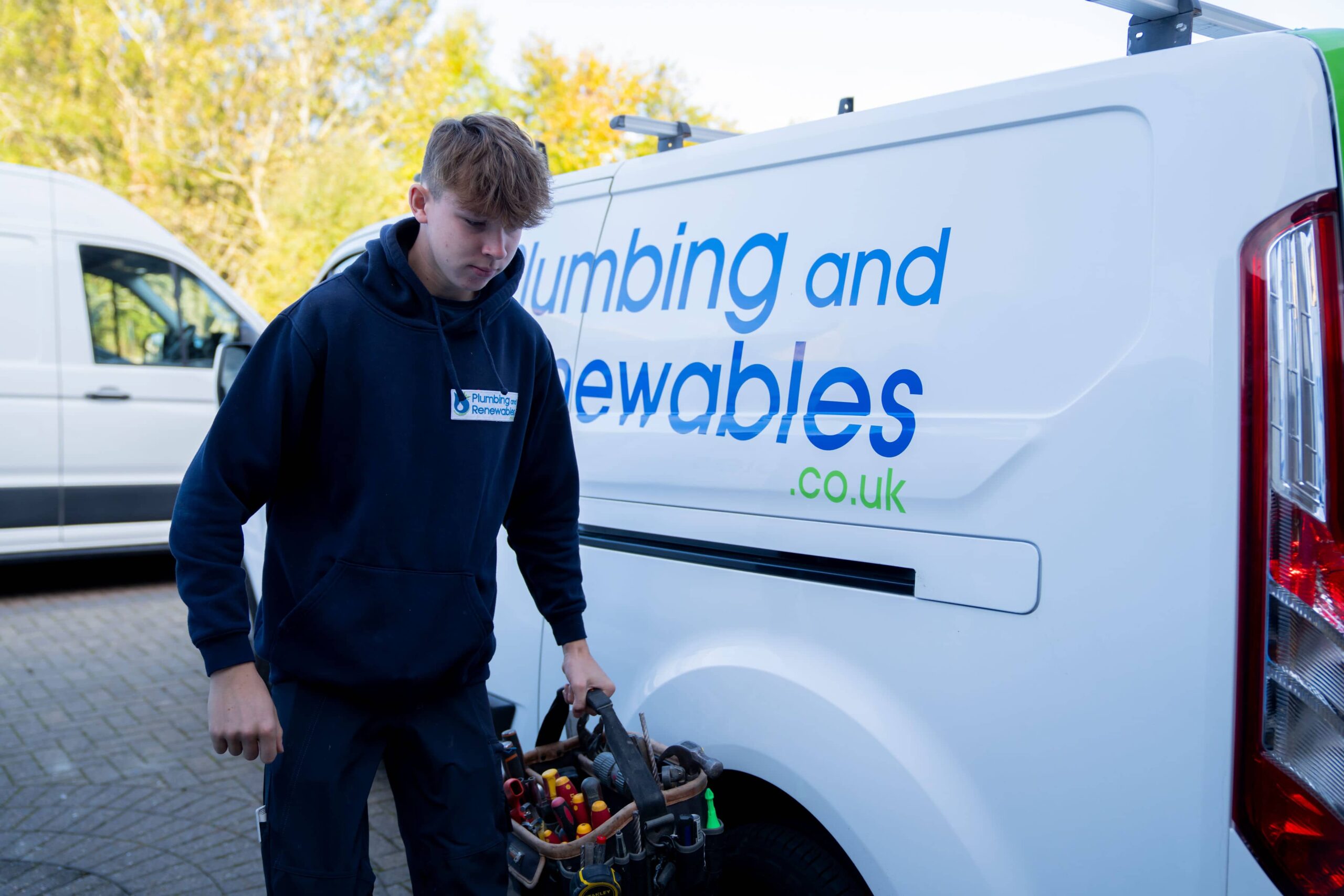

What an ASHP Home Survey Should Check Before Any Quote
Receiving a quotation for a heat pump might seem like the first major step towards upgrading your heating system, but an accurate quote should never come before a detailed home survey.

Why you can trust our content
We know the plumbing and renewable energy industry can feel overwhelming, especially with conflicting advice and outdated information online. That’s why we base everything we do on clarity, expertise, and trusted sources:


At a glance
Every property is different, and understanding how your home performs is essential for designing a system that delivers reliable comfort and efficient operation.
Rather than relying on rough estimates, a professional survey gathers the information needed to recommend equipment that suits your property, your heating requirements and your long-term expectations. Whether your home is modern or traditional, this planning stage helps avoid unexpected costs and ensures the proposed system is based on facts rather than assumptions.
If you are considering ashp installation elgin, understanding what should be included in a professional survey will help you compare quotations with confidence.
Why shouldn’t a quotation be based on a quick visit?
Some homeowners are surprised to learn that producing an accurate quotation often takes several hours of assessment rather than a quick look around the property.
A thorough survey allows the installer to understand how your home loses heat and how a heat pump can replace that heat efficiently throughout the year.
Instead of making assumptions, the survey considers factors such as:
- Property construction
- Room dimensions
- Existing heating equipment
- Insulation levels
- Window types
- Hot water demand
- Available outdoor space
- Electrical supply
These details help create a proposal that reflects the actual needs of your property.
If you’d like expert guidance before requesting a quotation, contact the Plumbing & Renewables team. We’ll explain what a professional survey involves and help you understand the next steps.
What does a professional home survey include?
A detailed survey looks at the entire heating system rather than focusing only on the heat pump itself.
The installer will normally inspect:
- Every heated room
- Existing radiators
- Pipework layout
- Hot water cylinder
- Consumer unit and electrical capacity
- Outdoor installation options
- Access for installation
- Ventilation around the property
Each part of the survey contributes towards designing a balanced heating system rather than simply choosing a piece of equipment.
Working with an experienced heat pump installation specialist means these assessments are carried out carefully to reduce the likelihood of unexpected changes later in the project.
Why are room-by-room heat loss calculations essential?
One of the most valuable parts of any survey is calculating heat loss for each individual room.
Different areas of the same house often require different amounts of heat because of variations in:
- External walls
- Window sizes
- Ceiling heights
- Floor construction
- Loft insulation
- Air leakage
These calculations determine how much heating each room requires during colder weather.
Without this information, selecting the correct heat pump size becomes little more than guesswork.
How is the existing heating system assessed?
The installer also needs to understand how your current system operates.
This assessment often includes:
- Boiler age and condition
- Radiator sizes
- Pipework diameter
- Heating controls
- Hot water production
- System layout
Although many existing components can remain in place, some may require upgrading to improve compatibility with a heat pump.
Understanding these requirements before providing a quotation allows homeowners to budget more accurately.
Will insulation be checked during the survey?
Yes.
Although a property does not need perfect insulation before installing a heat pump, reducing unnecessary heat loss can improve comfort and efficiency.
During the survey, the installer may assess:
- Loft insulation
- Wall construction
- Floor insulation where accessible
- Draughts around doors and windows
- Existing glazing
Rather than insisting every improvement is completed immediately, the survey identifies where future upgrades could provide the greatest benefit.
Many homes throughout Moray perform very well with heat pumps after relatively modest improvements.
Does the survey include outdoor planning?
Absolutely.
Choosing the correct location for the outdoor unit involves much more than finding spare space.
The installer will consider:
- Airflow around the unit
- Safe maintenance access
- Pipework routes
- Distance from neighbouring properties
- Noise considerations
- Visual appearance
- Ground conditions
Correct positioning helps maximise efficiency while making future servicing straightforward.
Modern air source heat pumps operate quietly, but careful placement remains an important part of the overall design.
Why is electrical capacity important?
Heat pumps require a suitable electrical supply to operate efficiently.
During the survey, the installer will normally review:
- Consumer unit condition
- Available electrical capacity
- Existing circuits
- Isolation arrangements
In some cases, minor electrical work may be recommended before installation begins.
Identifying this early avoids delays once work is scheduled.
Which option best describes your home?
It just takes 2 minutes
And then you can book a free consultation
Should homeowners prepare for the survey?
There is very little preparation required, but making key areas accessible helps the appointment run smoothly.
It is helpful to:
- Clear access to the boiler or plant room
- Unlock side access if required
- Ensure loft access is available where possible
- Prepare any questions about running costs or installation
- Mention rooms that currently feel colder than others
The more information shared during the visit, the easier it becomes to design a heating system that matches your expectations.
Can a survey identify potential installation challenges?
Yes. One of the main benefits of a professional survey is identifying practical issues before installation begins.
Examples include:
- Restricted access around the property
- Limited space for pipework routes
- Older heating controls that may need replacing
- Radiators that require upgrading
- Electrical improvements
- Drainage considerations for condensate pipework
By identifying these factors early, homeowners receive a quotation that reflects the true scope of work rather than unexpected additions later.
If you would like practical advice about preparing your property, contact the Plumbing & Renewables team. We’ll explain exactly what is involved before providing a tailored quotation.
A typical survey example
Imagine a three-bedroom detached home in Elgin with an older oil boiler and radiators that have been added over many years.
During the survey, the installer measures every room, carries out detailed heat loss calculations and checks the condition of the existing heating system. They also identify that two radiators should be upgraded and recommend a suitable location for the outdoor unit that provides good airflow while remaining discreet.
Because everything has been assessed beforehand, the quotation clearly explains the recommended work, allowing the homeowner to make an informed decision without unexpected surprises later in the project.
This careful planning helps ensure ashp installation elgin projects progress smoothly from survey through to commissioning.
What should you receive after the survey?
A professional survey should provide more than simply a price.
You should receive clear information explaining why recommendations have been made.
| Survey Outcome | Why It Matters |
| Heat loss calculations | Determines the correct system size |
| Recommended heat pump capacity | Matches your home’s heating demand |
| Radiator assessment | Identifies whether upgrades are needed |
| Outdoor unit location | Confirms the most suitable position |
| Installation proposal | Explains the recommended work |
| Estimated costs | Helps you budget with confidence |
This information gives homeowners confidence that the proposed system has been designed around their property.
Why does choosing the right installer matter?
A survey is only as valuable as the experience behind it.
An experienced heat pump installation specialist understands that successful installations begin with careful planning rather than quick quotations.
A knowledgeable installer will:
- Explain recommendations clearly
- Answer questions honestly
- Base decisions on measured data
- Discuss realistic expectations
- Design a system specifically for your home
This transparent approach helps homeowners understand exactly what they are investing in before installation begins.
How does a detailed survey improve long-term performance?
The information gathered during a survey influences every stage of the installation.
A properly designed system is more likely to:
- Maintain comfortable indoor temperatures
- Operate efficiently throughout the year
- Reduce unnecessary energy use
- Minimise future adjustments
- Provide reliable long-term performance
For homeowners considering ashp installation elgin, investing time in a comprehensive survey is one of the best ways to ensure the system performs as expected for many years.
Final thoughts
A professional home survey is the foundation of a successful heat pump installation. By assessing your property’s construction, heating system, insulation and heat demand before producing a quotation, installers can recommend a solution that is tailored to your home rather than relying on assumptions.
Taking the time to complete this process helps reduce uncertainty, improves long-term efficiency and ensures your heating system is designed to perform reliably throughout the year.
If you’re considering ashp installation elgin, speaking to an experienced team before requesting a quotation is the best way to start your project with confidence.
To arrange a professional home survey or discuss your heating plans, contact Plumbing & Renewables today. Our experienced team will provide honest advice and help you understand the most suitable options for your home.
Related articles

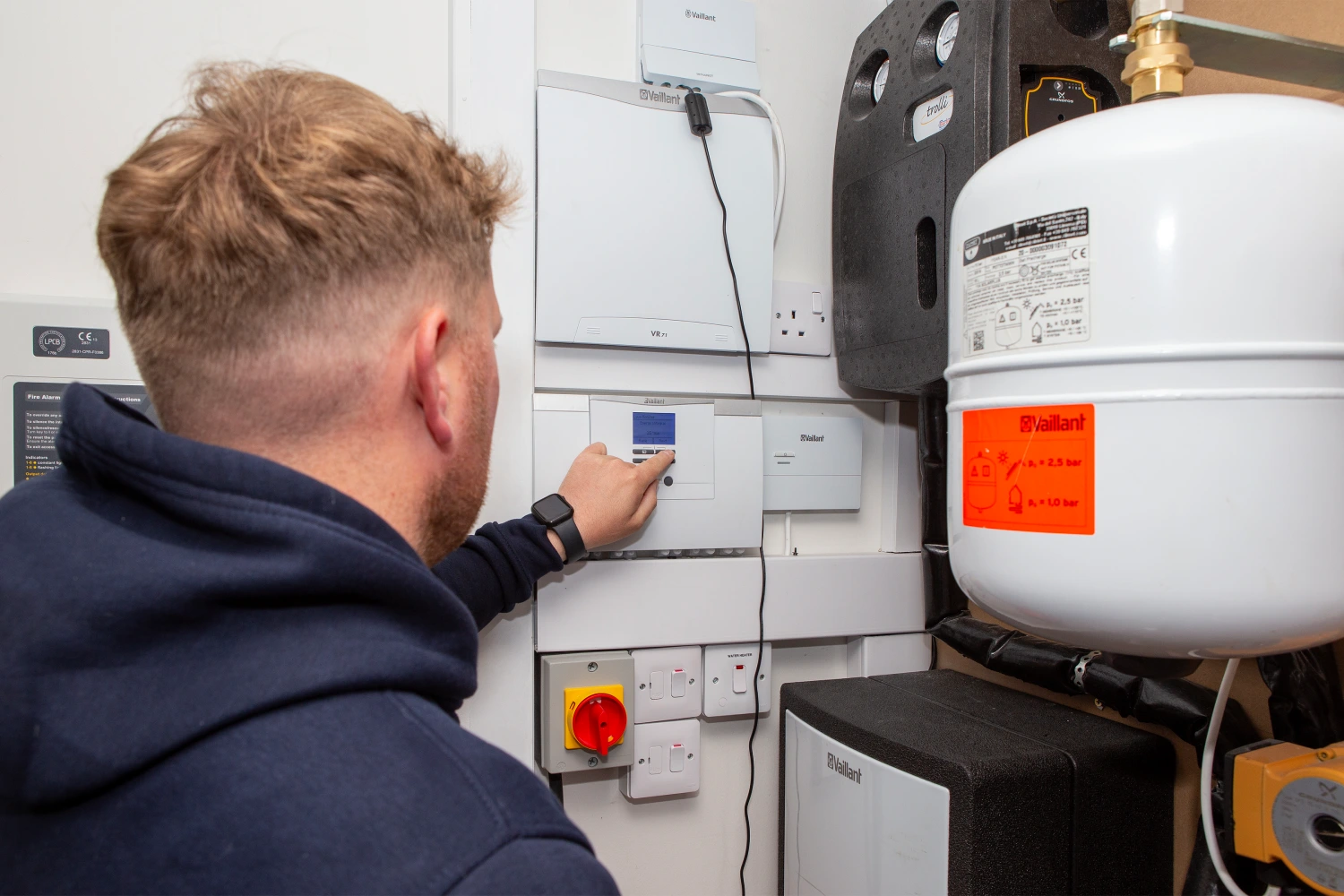
Which option best describes your home?
At a glance
Every property is different, and understanding how your home performs is essential for designing a system that delivers reliable comfort and efficient operation.
Rather than relying on rough estimates, a professional survey gathers the information needed to recommend equipment that suits your property, your heating requirements and your long-term expectations. Whether your home is modern or traditional, this planning stage helps avoid unexpected costs and ensures the proposed system is based on facts rather than assumptions.
If you are considering ashp installation elgin, understanding what should be included in a professional survey will help you compare quotations with confidence.
Why shouldn’t a quotation be based on a quick visit?
Some homeowners are surprised to learn that producing an accurate quotation often takes several hours of assessment rather than a quick look around the property.
A thorough survey allows the installer to understand how your home loses heat and how a heat pump can replace that heat efficiently throughout the year.
Instead of making assumptions, the survey considers factors such as:
- Property construction
- Room dimensions
- Existing heating equipment
- Insulation levels
- Window types
- Hot water demand
- Available outdoor space
- Electrical supply
These details help create a proposal that reflects the actual needs of your property.
If you’d like expert guidance before requesting a quotation, contact the Plumbing & Renewables team. We’ll explain what a professional survey involves and help you understand the next steps.
What does a professional home survey include?
A detailed survey looks at the entire heating system rather than focusing only on the heat pump itself.
The installer will normally inspect:
- Every heated room
- Existing radiators
- Pipework layout
- Hot water cylinder
- Consumer unit and electrical capacity
- Outdoor installation options
- Access for installation
- Ventilation around the property
Each part of the survey contributes towards designing a balanced heating system rather than simply choosing a piece of equipment.
Working with an experienced heat pump installation specialist means these assessments are carried out carefully to reduce the likelihood of unexpected changes later in the project.
Why are room-by-room heat loss calculations essential?
One of the most valuable parts of any survey is calculating heat loss for each individual room.
Different areas of the same house often require different amounts of heat because of variations in:
- External walls
- Window sizes
- Ceiling heights
- Floor construction
- Loft insulation
- Air leakage
These calculations determine how much heating each room requires during colder weather.
Without this information, selecting the correct heat pump size becomes little more than guesswork.
How is the existing heating system assessed?
The installer also needs to understand how your current system operates.
This assessment often includes:
- Boiler age and condition
- Radiator sizes
- Pipework diameter
- Heating controls
- Hot water production
- System layout
Although many existing components can remain in place, some may require upgrading to improve compatibility with a heat pump.
Understanding these requirements before providing a quotation allows homeowners to budget more accurately.
Will insulation be checked during the survey?
Yes.
Although a property does not need perfect insulation before installing a heat pump, reducing unnecessary heat loss can improve comfort and efficiency.
During the survey, the installer may assess:
- Loft insulation
- Wall construction
- Floor insulation where accessible
- Draughts around doors and windows
- Existing glazing
Rather than insisting every improvement is completed immediately, the survey identifies where future upgrades could provide the greatest benefit.
Many homes throughout Moray perform very well with heat pumps after relatively modest improvements.
Does the survey include outdoor planning?
Absolutely.
Choosing the correct location for the outdoor unit involves much more than finding spare space.
The installer will consider:
- Airflow around the unit
- Safe maintenance access
- Pipework routes
- Distance from neighbouring properties
- Noise considerations
- Visual appearance
- Ground conditions
Correct positioning helps maximise efficiency while making future servicing straightforward.
Modern air source heat pumps operate quietly, but careful placement remains an important part of the overall design.
Why is electrical capacity important?
Heat pumps require a suitable electrical supply to operate efficiently.
During the survey, the installer will normally review:
- Consumer unit condition
- Available electrical capacity
- Existing circuits
- Isolation arrangements
In some cases, minor electrical work may be recommended before installation begins.
Identifying this early avoids delays once work is scheduled.
Which option best describes your home?
It just takes 2 minutes
And then you can book a free consultation
Should homeowners prepare for the survey?
There is very little preparation required, but making key areas accessible helps the appointment run smoothly.
It is helpful to:
- Clear access to the boiler or plant room
- Unlock side access if required
- Ensure loft access is available where possible
- Prepare any questions about running costs or installation
- Mention rooms that currently feel colder than others
The more information shared during the visit, the easier it becomes to design a heating system that matches your expectations.
Can a survey identify potential installation challenges?
Yes. One of the main benefits of a professional survey is identifying practical issues before installation begins.
Examples include:
- Restricted access around the property
- Limited space for pipework routes
- Older heating controls that may need replacing
- Radiators that require upgrading
- Electrical improvements
- Drainage considerations for condensate pipework
By identifying these factors early, homeowners receive a quotation that reflects the true scope of work rather than unexpected additions later.
If you would like practical advice about preparing your property, contact the Plumbing & Renewables team. We’ll explain exactly what is involved before providing a tailored quotation.
A typical survey example
Imagine a three-bedroom detached home in Elgin with an older oil boiler and radiators that have been added over many years.
During the survey, the installer measures every room, carries out detailed heat loss calculations and checks the condition of the existing heating system. They also identify that two radiators should be upgraded and recommend a suitable location for the outdoor unit that provides good airflow while remaining discreet.
Because everything has been assessed beforehand, the quotation clearly explains the recommended work, allowing the homeowner to make an informed decision without unexpected surprises later in the project.
This careful planning helps ensure ashp installation elgin projects progress smoothly from survey through to commissioning.
What should you receive after the survey?
A professional survey should provide more than simply a price.
You should receive clear information explaining why recommendations have been made.
| Survey Outcome | Why It Matters |
| Heat loss calculations | Determines the correct system size |
| Recommended heat pump capacity | Matches your home’s heating demand |
| Radiator assessment | Identifies whether upgrades are needed |
| Outdoor unit location | Confirms the most suitable position |
| Installation proposal | Explains the recommended work |
| Estimated costs | Helps you budget with confidence |
This information gives homeowners confidence that the proposed system has been designed around their property.
Why does choosing the right installer matter?
A survey is only as valuable as the experience behind it.
An experienced heat pump installation specialist understands that successful installations begin with careful planning rather than quick quotations.
A knowledgeable installer will:
- Explain recommendations clearly
- Answer questions honestly
- Base decisions on measured data
- Discuss realistic expectations
- Design a system specifically for your home
This transparent approach helps homeowners understand exactly what they are investing in before installation begins.
How does a detailed survey improve long-term performance?
The information gathered during a survey influences every stage of the installation.
A properly designed system is more likely to:
- Maintain comfortable indoor temperatures
- Operate efficiently throughout the year
- Reduce unnecessary energy use
- Minimise future adjustments
- Provide reliable long-term performance
For homeowners considering ashp installation elgin, investing time in a comprehensive survey is one of the best ways to ensure the system performs as expected for many years.
Final thoughts
A professional home survey is the foundation of a successful heat pump installation. By assessing your property’s construction, heating system, insulation and heat demand before producing a quotation, installers can recommend a solution that is tailored to your home rather than relying on assumptions.
Taking the time to complete this process helps reduce uncertainty, improves long-term efficiency and ensures your heating system is designed to perform reliably throughout the year.
If you’re considering ashp installation elgin, speaking to an experienced team before requesting a quotation is the best way to start your project with confidence.
To arrange a professional home survey or discuss your heating plans, contact Plumbing & Renewables today. Our experienced team will provide honest advice and help you understand the most suitable options for your home.