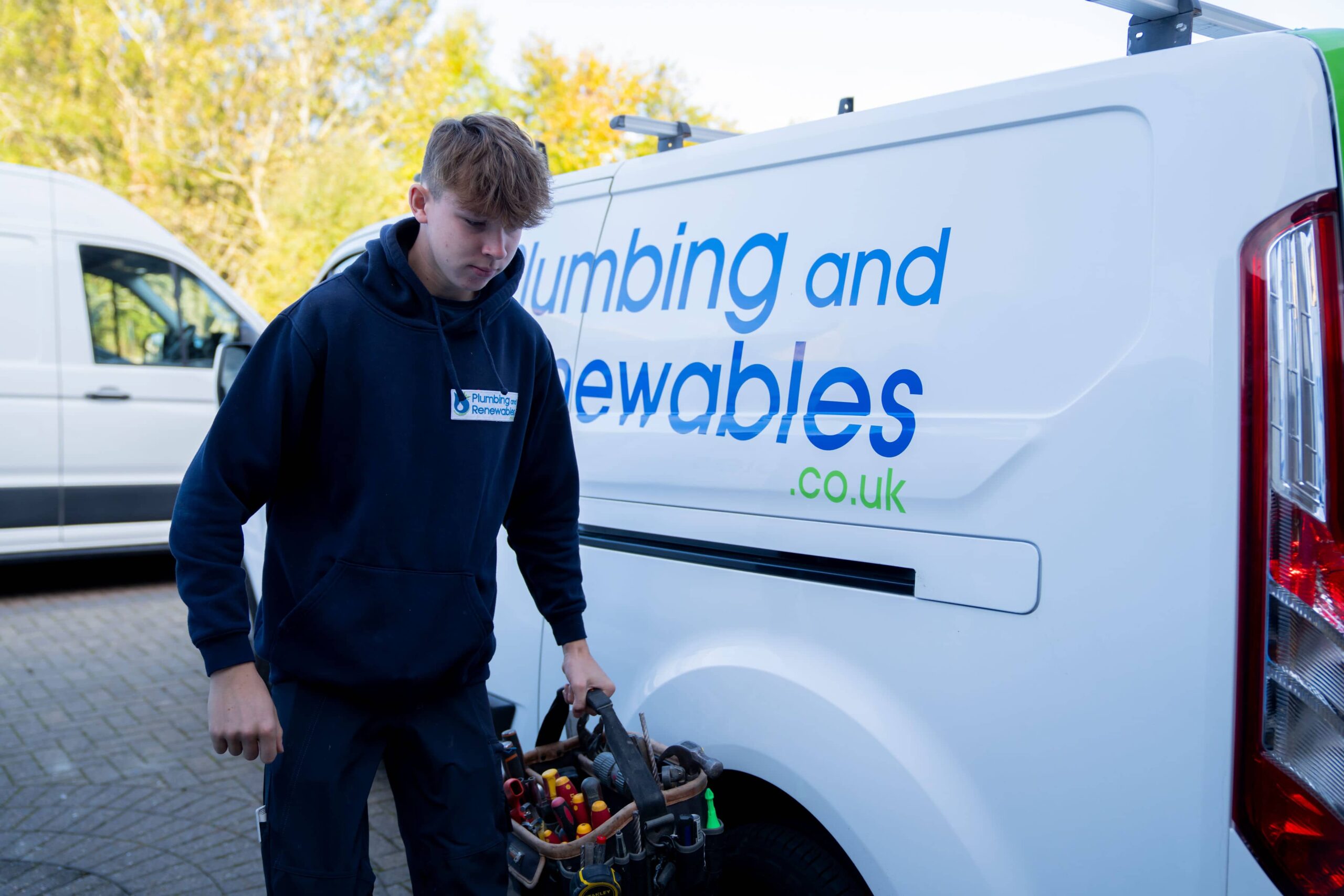

Do Heat Pumps Work at -18°C? Real Moray Case Examples
One of the most common concerns homeowners raise when considering renewable heating is winter performance. Moray winters can be cold, and many people naturally ask whether a heat pump can cope when temperatures drop well below freezing.

Why you can trust our content
We know the plumbing and renewable energy industry can feel overwhelming, especially with conflicting advice and outdated information online. That’s why we base everything we do on clarity, expertise, and trusted sources:



At a glance
This is especially relevant for homeowners considering an air source heat pump elgin installation, where winter temperatures can occasionally reach extreme lows. The good news is that modern systems are specifically designed to operate efficiently in cold climates.
In this guide, we’ll explore how heat pumps perform in freezing conditions, what happens when temperatures reach -18°C, and what real-world performance looks like in homes across Moray.
If you’d like tailored advice about renewable heating for your property, you can speak to the team at Plumbing & Renewables for guidance specific to your home.
Do Heat Pumps Actually Work in Freezing Temperatures?
Yes – modern heat pumps are designed to operate in cold climates and can still extract heat from outdoor air even when temperatures are well below zero.
While it might seem surprising, there is still usable heat energy in the air at temperatures far below freezing. Heat pumps use refrigerant technology to capture this energy and transfer it into the home.
Many systems installed today can operate effectively down to -20°C or lower. For homeowners considering an air source heat pump elgin, this means the technology is suitable for the climate experienced in Moray.
However, performance at these temperatures depends heavily on correct system design and installation.
How Does a Heat Pump Extract Heat at -18°C?
Heat pumps rely on a refrigeration cycle that allows them to absorb heat from cold air.
The process typically works as follows:
- Outdoor air passes over the heat pump evaporator coil
- Refrigerant absorbs heat from the air
- The refrigerant is compressed, increasing its temperature
- Heat is transferred to the home’s heating system
Even when the air feels extremely cold, there is still thermal energy available. The heat pump simply concentrates that energy to create usable heat indoors.
This is why a well-designed ashp installation elgin can continue to provide heating during very cold weather.
What Happens to Efficiency in Very Cold Weather?
While heat pumps continue to operate at low temperatures, their efficiency does change slightly as outdoor conditions become colder.
Efficiency is measured using the Coefficient of Performance (COP).
Typical examples:
| Outdoor Temperature | Typical COP Range | What It Means |
| 7°C | 3.5 – 4.5 | Very high efficiency |
| 0°C | 2.8 – 3.5 | Still efficient |
| -10°C | 2.0 – 2.8 | Reduced efficiency but effective |
| -18°C | 1.8 – 2.3 | Heating still delivered |
Even at -18°C, a heat pump can still produce more heat energy than the electricity it consumes.
For many homeowners installing an air source heat pump elgin, the majority of winter days will occur in the temperature range where systems operate very efficiently.
Why System Design Matters More Than Temperature
Cold-weather performance is rarely the limiting factor. Instead, system design is what determines how well a heat pump performs during winter.
Key design factors include:
Heat loss calculations
Installers must correctly calculate how much heat the property loses.
Radiator sizing
Larger radiators allow the heat pump to operate efficiently at lower temperatures.
Flow temperature design
Heat pumps work best with lower water temperatures than boilers.
Insulation levels
Better insulation reduces demand during cold periods.
These elements are why choosing an experienced installer for ashp installation elgin is so important.
Which option best describes your home?
It just takes 2 minutes
And then you can book a free consultation
Case Example: Heating a Traditional Moray Home
Consider a typical stone-built home found across Moray villages.
These properties often feature:
- Solid stone walls
- High ceilings
- Older radiator systems
- Variable insulation levels
With proper design adjustments, including radiator upgrades and improved insulation, these homes can perform very well with heat pumps.
In one example scenario, a property switched from oil heating to an air source heat pump elgin system and maintained stable indoor temperatures even during freezing conditions.
The key factor was not the outside temperature, but ensuring the heating system was properly sized.
Do Heat Pumps Need Backup Heating in Extreme Cold?
In most residential installations, heat pumps do not require additional backup heating.
However, some systems include an electric immersion heater that can provide support during extremely cold conditions.
This backup rarely operates for long periods and is mainly included as a safety feature.
In well-designed installations, the primary heat pump system provides the majority of heating even during winter cold snaps.
What About Defrost Cycles?
Another common concern is frost forming on the outdoor unit.
When outdoor temperatures drop near freezing and humidity is high, frost can develop on the heat exchanger. To prevent this, heat pumps perform automatic defrost cycles.
During defrost:
- The system temporarily reverses operation
- Frost melts from the outdoor coil
- Normal heating resumes shortly after
These cycles are brief and built into normal operation, so homeowners rarely notice them.
Are Heat Pumps Common in Cold Countries?
Yes – heat pumps are widely used in some of the coldest regions in the world.
Countries where they are widely adopted include:
- Norway
- Sweden
- Finland
- Canada
These regions experience far colder winters than Moray, yet heat pumps remain one of the most popular heating technologies.
This global adoption helps demonstrate that systems like an air source heat pump elgin are more than capable of handling Scottish winter temperatures.
Final Thoughts
Cold weather performance is one of the biggest concerns for homeowners considering renewable heating, but modern systems are specifically engineered to operate in freezing conditions.
Real-world experience across Moray shows that a properly designed air source heat pump elgin installation can deliver reliable heating throughout winter, even during periods of extreme cold.
The key factor is always professional system design and installation. When the system is correctly sized and matched to the property, heat pumps can provide comfortable, efficient heating year-round.
If you’d like professional advice about renewable heating options, you can contact Plumbing & Renewables to discuss your home and explore suitable solutions.
You can also request a tailored quote if you’re considering a new ashp installation elgin and want to understand what system would work best for your property.
Related articles

Which option best describes your home?
At a glance
This is especially relevant for homeowners considering an air source heat pump elgin installation, where winter temperatures can occasionally reach extreme lows. The good news is that modern systems are specifically designed to operate efficiently in cold climates.
In this guide, we’ll explore how heat pumps perform in freezing conditions, what happens when temperatures reach -18°C, and what real-world performance looks like in homes across Moray.
If you’d like tailored advice about renewable heating for your property, you can speak to the team at Plumbing & Renewables for guidance specific to your home.
Do Heat Pumps Actually Work in Freezing Temperatures?
Yes – modern heat pumps are designed to operate in cold climates and can still extract heat from outdoor air even when temperatures are well below zero.
While it might seem surprising, there is still usable heat energy in the air at temperatures far below freezing. Heat pumps use refrigerant technology to capture this energy and transfer it into the home.
Many systems installed today can operate effectively down to -20°C or lower. For homeowners considering an air source heat pump elgin, this means the technology is suitable for the climate experienced in Moray.
However, performance at these temperatures depends heavily on correct system design and installation.
How Does a Heat Pump Extract Heat at -18°C?
Heat pumps rely on a refrigeration cycle that allows them to absorb heat from cold air.
The process typically works as follows:
- Outdoor air passes over the heat pump evaporator coil
- Refrigerant absorbs heat from the air
- The refrigerant is compressed, increasing its temperature
- Heat is transferred to the home’s heating system
Even when the air feels extremely cold, there is still thermal energy available. The heat pump simply concentrates that energy to create usable heat indoors.
This is why a well-designed ashp installation elgin can continue to provide heating during very cold weather.
What Happens to Efficiency in Very Cold Weather?
While heat pumps continue to operate at low temperatures, their efficiency does change slightly as outdoor conditions become colder.
Efficiency is measured using the Coefficient of Performance (COP).
Typical examples:
| Outdoor Temperature | Typical COP Range | What It Means |
| 7°C | 3.5 – 4.5 | Very high efficiency |
| 0°C | 2.8 – 3.5 | Still efficient |
| -10°C | 2.0 – 2.8 | Reduced efficiency but effective |
| -18°C | 1.8 – 2.3 | Heating still delivered |
Even at -18°C, a heat pump can still produce more heat energy than the electricity it consumes.
For many homeowners installing an air source heat pump elgin, the majority of winter days will occur in the temperature range where systems operate very efficiently.
Why System Design Matters More Than Temperature
Cold-weather performance is rarely the limiting factor. Instead, system design is what determines how well a heat pump performs during winter.
Key design factors include:
Heat loss calculations
Installers must correctly calculate how much heat the property loses.
Radiator sizing
Larger radiators allow the heat pump to operate efficiently at lower temperatures.
Flow temperature design
Heat pumps work best with lower water temperatures than boilers.
Insulation levels
Better insulation reduces demand during cold periods.
These elements are why choosing an experienced installer for ashp installation elgin is so important.
Which option best describes your home?
It just takes 2 minutes
And then you can book a free consultation
Case Example: Heating a Traditional Moray Home
Consider a typical stone-built home found across Moray villages.
These properties often feature:
- Solid stone walls
- High ceilings
- Older radiator systems
- Variable insulation levels
With proper design adjustments, including radiator upgrades and improved insulation, these homes can perform very well with heat pumps.
In one example scenario, a property switched from oil heating to an air source heat pump elgin system and maintained stable indoor temperatures even during freezing conditions.
The key factor was not the outside temperature, but ensuring the heating system was properly sized.
Do Heat Pumps Need Backup Heating in Extreme Cold?
In most residential installations, heat pumps do not require additional backup heating.
However, some systems include an electric immersion heater that can provide support during extremely cold conditions.
This backup rarely operates for long periods and is mainly included as a safety feature.
In well-designed installations, the primary heat pump system provides the majority of heating even during winter cold snaps.
What About Defrost Cycles?
Another common concern is frost forming on the outdoor unit.
When outdoor temperatures drop near freezing and humidity is high, frost can develop on the heat exchanger. To prevent this, heat pumps perform automatic defrost cycles.
During defrost:
- The system temporarily reverses operation
- Frost melts from the outdoor coil
- Normal heating resumes shortly after
These cycles are brief and built into normal operation, so homeowners rarely notice them.
Are Heat Pumps Common in Cold Countries?
Yes – heat pumps are widely used in some of the coldest regions in the world.
Countries where they are widely adopted include:
- Norway
- Sweden
- Finland
- Canada
These regions experience far colder winters than Moray, yet heat pumps remain one of the most popular heating technologies.
This global adoption helps demonstrate that systems like an air source heat pump elgin are more than capable of handling Scottish winter temperatures.
Final Thoughts
Cold weather performance is one of the biggest concerns for homeowners considering renewable heating, but modern systems are specifically engineered to operate in freezing conditions.
Real-world experience across Moray shows that a properly designed air source heat pump elgin installation can deliver reliable heating throughout winter, even during periods of extreme cold.
The key factor is always professional system design and installation. When the system is correctly sized and matched to the property, heat pumps can provide comfortable, efficient heating year-round.
If you’d like professional advice about renewable heating options, you can contact Plumbing & Renewables to discuss your home and explore suitable solutions.
You can also request a tailored quote if you’re considering a new ashp installation elgin and want to understand what system would work best for your property.