
Heat Pump Finance vs Long-Term Running Costs
For many homeowners considering renewable heating, the biggest question is not just whether a heat pump works well – it is how to pay for the installation.

Why you can trust our content
We know the plumbing and renewable energy industry can feel overwhelming, especially with conflicting advice and outdated information online. That’s why we base everything we do on clarity, expertise, and trusted sources:



At a glance
Heat pumps typically cost more upfront than traditional boilers, which means some households explore finance options to spread the cost over time. While this can make installation more accessible, it is important to consider how finance repayments compare with long-term running costs.
Understanding both sides of the equation can help homeowners make a more informed decision about switching to renewable heating in Elgin.
If you are considering a new heating system, the team at Plumbing & Renewables can provide guidance and help you explore available options for heat pump finance elgin.
Why Do Heat Pumps Cost More Upfront?
Heat pump installations involve more planning and equipment than a standard boiler replacement.
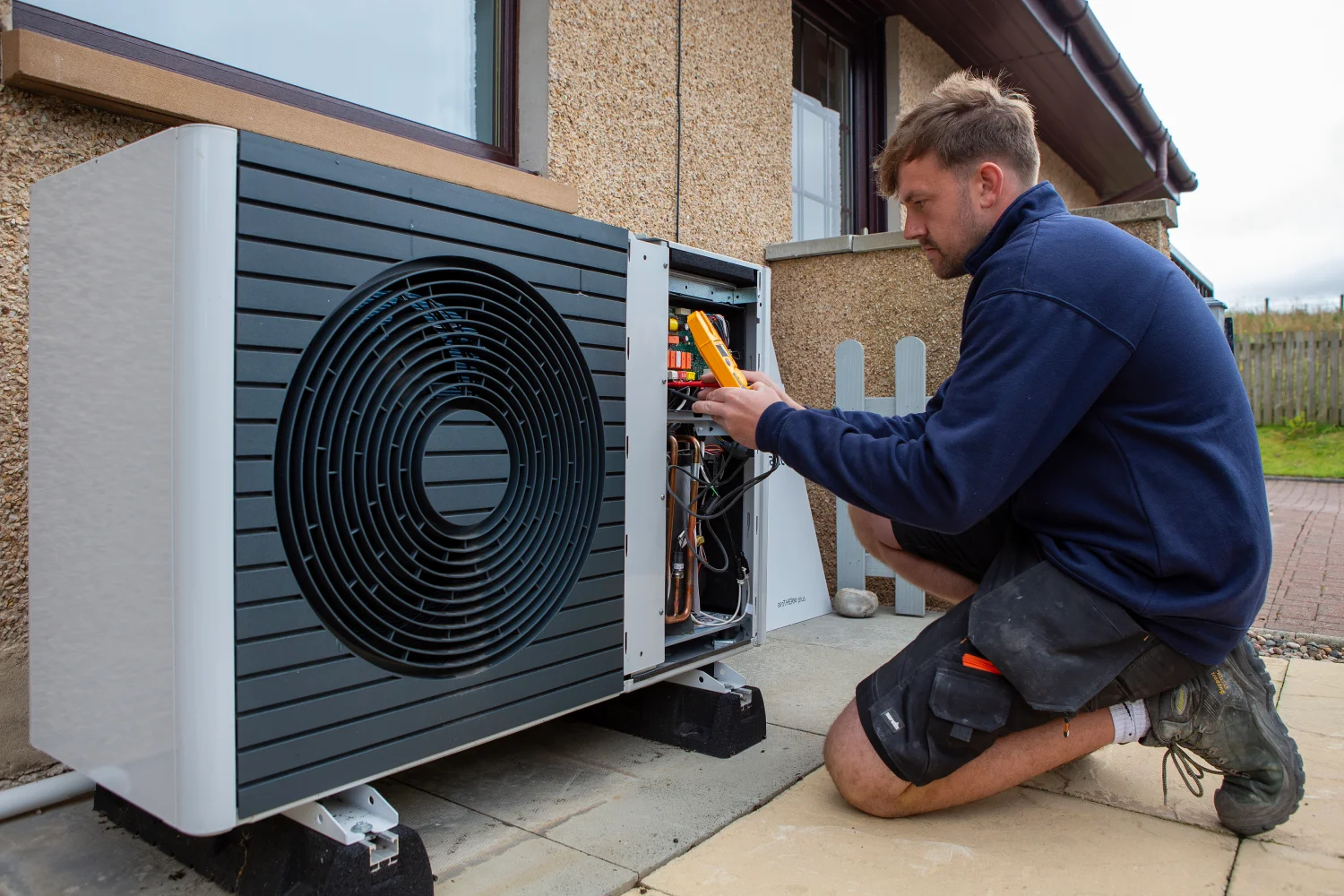
A typical installation may include:
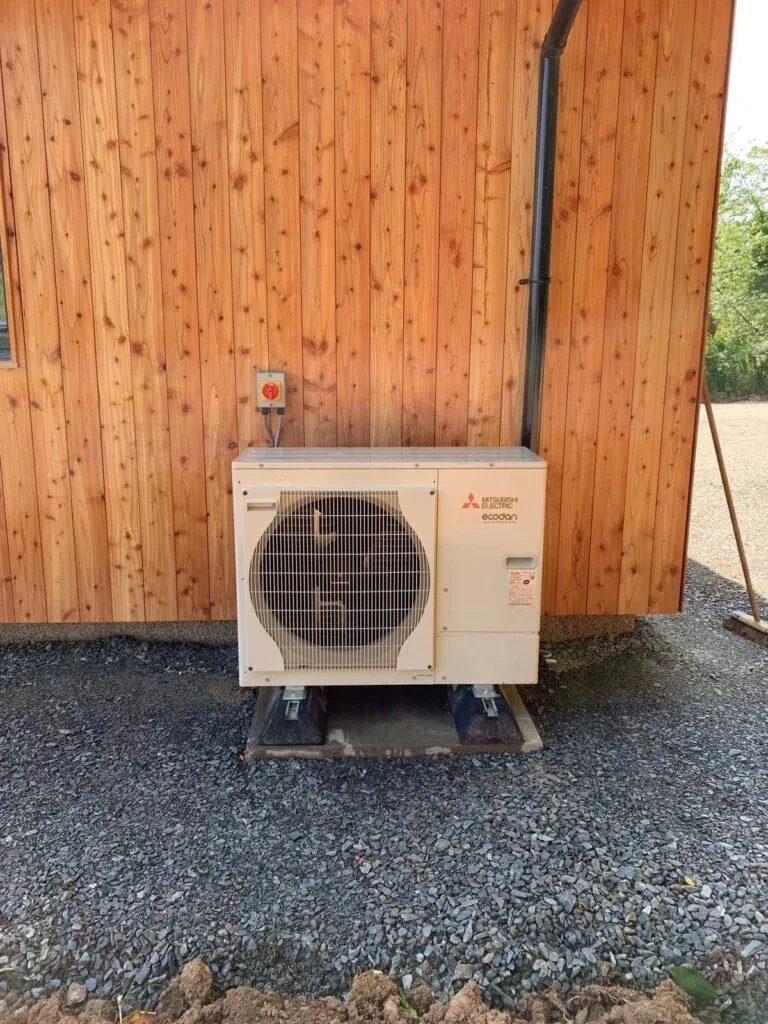
- the outdoor heat pump unit
- a hot water cylinder designed for heat pumps
- heating system adjustments such as larger radiators
- system design and heat loss calculations
- installation and commissioning
These additional steps ensure the heating system works efficiently with low-temperature heating.
Because of this, the initial cost for heat pump systems is usually higher than installing a gas or oil boiler.
What Is Heat Pump Finance?
Finance options allow homeowners to spread the cost of installation across a series of monthly payments rather than paying the full amount upfront.
This approach can make renewable heating more accessible for households that prefer predictable monthly budgeting.
Typical finance arrangements may include:
- fixed monthly payments
- repayment periods of several years
- optional deposits depending on the agreement
Homeowners interested in heat pump finance elgin often explore this option as part of the installation planning process.
Does Financing a Heat Pump Change the Overall Cost?
Yes, financing usually increases the total amount paid over time because interest is typically added to the repayment plan.
However, the monthly payments may still be manageable when compared with the running costs of older heating systems.
For example, households previously using oil heating may already be paying significant amounts for fuel during winter. When switching to a heat pump, the structure of heating expenses changes from fuel deliveries to electricity consumption.
This is why it is useful to compare monthly repayments with current heating costs.
Comparing Upfront Payment vs Finance
The decision to finance a heating system depends on personal circumstances and financial preferences.
The table below illustrates the typical differences between paying upfront and using finance.
| Payment Method | Key Features | Considerations |
| Upfront Payment | One-time payment for installation | Lower total cost over time |
| Finance Option | Monthly payments spread across several years | Interest may increase total price |
| Mixed Approach | Partial deposit with smaller finance balance | Reduces repayment amount |
For many households, the choice is less about which option is cheaper and more about which approach suits their financial planning.
How Do Running Costs Compare with Older Heating Systems?
Running costs vary depending on the property and electricity tariffs, but heat pumps often operate more efficiently than traditional heating systems.
Some homeowners notice differences such as:
- lower heating costs compared with oil boilers
- more stable monthly energy bills
- reduced reliance on fuel deliveries
However, the actual savings depend on factors such as insulation levels, heating habits and system design.
When assessing the overall cost for heat pump systems, it is important to consider both installation costs and long-term energy use.
If you are unsure whether renewable heating is suitable for your property, Plumbing & Renewables can assess your home and explain potential installation costs.
Which option best describes your home?
It just takes 2 minutes
And then you can book a free consultation
What Should Homeowners Consider Before Financing?
Finance can make installation easier, but it is important to review the full picture before committing.
Homeowners should consider:
Monthly affordability
Ensure repayments comfortably fit within the household budget.
Interest rates
Different finance agreements may include different interest levels.
Length of repayment term
Longer repayment periods may reduce monthly payments but increase the total amount paid.
Expected heating costs
Understanding future energy bills helps put finance repayments into context.
By reviewing these factors, homeowners can decide whether finance is a practical option.
Example Scenario – Heating Upgrade in Elgin
A homeowner in Elgin recently replaced an ageing oil boiler with a heat pump.
Instead of paying the full installation cost upfront, they opted for a finance plan that spreads payments over several years.
Before installation, the household spent a large amount on oil deliveries during winter months. After switching systems, heating costs moved to electricity bills combined with monthly finance repayments.
Although the homeowner now pays both electricity and finance payments, the combined cost remains similar to their previous annual heating expenditure.
This example highlights why some households consider finance when upgrading their heating system.
Are There Long-Term Financial Benefits?
Heat pumps can provide several long-term financial advantages beyond immediate heating costs.
These may include:
- improved energy efficiency
- potential reductions in heating expenses compared with fossil fuels
- increased property appeal as low-carbon heating becomes more common
However, results vary depending on how the system is designed and how the home is insulated.
For homeowners exploring renewable heating, discussing heat pump finance elgin with an installer can help clarify the available options.
Final Thoughts
Deciding whether to finance a heat pump or pay upfront is a personal financial decision. Both options can work well depending on the homeowner’s budget and long-term plans.
While finance spreads the installation cost over time, the long-term value of a heat pump often comes from efficient heating and reduced reliance on fossil fuels.
For homeowners in Elgin, understanding both installation costs and ongoing running costs helps create a clearer picture before making the switch to renewable heating.
If you would like to explore installation costs or finance options, you can speak with the Plumbing & Renewables team. They can explain the cost for heat pump systems and help you decide on the most suitable approach for your home.
Related articles

Which option best describes your home?
At a glance
Heat pumps typically cost more upfront than traditional boilers, which means some households explore finance options to spread the cost over time. While this can make installation more accessible, it is important to consider how finance repayments compare with long-term running costs.
Understanding both sides of the equation can help homeowners make a more informed decision about switching to renewable heating in Elgin.
If you are considering a new heating system, the team at Plumbing & Renewables can provide guidance and help you explore available options for heat pump finance elgin.
Why Do Heat Pumps Cost More Upfront?
Heat pump installations involve more planning and equipment than a standard boiler replacement.
A typical installation may include:
- the outdoor heat pump unit
- a hot water cylinder designed for heat pumps
- heating system adjustments such as larger radiators
- system design and heat loss calculations
- installation and commissioning
These additional steps ensure the heating system works efficiently with low-temperature heating.
Because of this, the initial cost for heat pump systems is usually higher than installing a gas or oil boiler.
What Is Heat Pump Finance?
Finance options allow homeowners to spread the cost of installation across a series of monthly payments rather than paying the full amount upfront.
This approach can make renewable heating more accessible for households that prefer predictable monthly budgeting.
Typical finance arrangements may include:
- fixed monthly payments
- repayment periods of several years
- optional deposits depending on the agreement
Homeowners interested in heat pump finance elgin often explore this option as part of the installation planning process.
Does Financing a Heat Pump Change the Overall Cost?
Yes, financing usually increases the total amount paid over time because interest is typically added to the repayment plan.
However, the monthly payments may still be manageable when compared with the running costs of older heating systems.
For example, households previously using oil heating may already be paying significant amounts for fuel during winter. When switching to a heat pump, the structure of heating expenses changes from fuel deliveries to electricity consumption.
This is why it is useful to compare monthly repayments with current heating costs.
Comparing Upfront Payment vs Finance
The decision to finance a heating system depends on personal circumstances and financial preferences.
The table below illustrates the typical differences between paying upfront and using finance.
| Payment Method | Key Features | Considerations |
| Upfront Payment | One-time payment for installation | Lower total cost over time |
| Finance Option | Monthly payments spread across several years | Interest may increase total price |
| Mixed Approach | Partial deposit with smaller finance balance | Reduces repayment amount |
For many households, the choice is less about which option is cheaper and more about which approach suits their financial planning.
How Do Running Costs Compare with Older Heating Systems?
Running costs vary depending on the property and electricity tariffs, but heat pumps often operate more efficiently than traditional heating systems.
Some homeowners notice differences such as:
- lower heating costs compared with oil boilers
- more stable monthly energy bills
- reduced reliance on fuel deliveries
However, the actual savings depend on factors such as insulation levels, heating habits and system design.
When assessing the overall cost for heat pump systems, it is important to consider both installation costs and long-term energy use.
If you are unsure whether renewable heating is suitable for your property, Plumbing & Renewables can assess your home and explain potential installation costs.
Which option best describes your home?
It just takes 2 minutes
And then you can book a free consultation
What Should Homeowners Consider Before Financing?
Finance can make installation easier, but it is important to review the full picture before committing.
Homeowners should consider:
Monthly affordability
Ensure repayments comfortably fit within the household budget.
Interest rates
Different finance agreements may include different interest levels.
Length of repayment term
Longer repayment periods may reduce monthly payments but increase the total amount paid.
Expected heating costs
Understanding future energy bills helps put finance repayments into context.
By reviewing these factors, homeowners can decide whether finance is a practical option.
Example Scenario – Heating Upgrade in Elgin
A homeowner in Elgin recently replaced an ageing oil boiler with a heat pump.
Instead of paying the full installation cost upfront, they opted for a finance plan that spreads payments over several years.
Before installation, the household spent a large amount on oil deliveries during winter months. After switching systems, heating costs moved to electricity bills combined with monthly finance repayments.
Although the homeowner now pays both electricity and finance payments, the combined cost remains similar to their previous annual heating expenditure.
This example highlights why some households consider finance when upgrading their heating system.
Are There Long-Term Financial Benefits?
Heat pumps can provide several long-term financial advantages beyond immediate heating costs.
These may include:
- improved energy efficiency
- potential reductions in heating expenses compared with fossil fuels
- increased property appeal as low-carbon heating becomes more common
However, results vary depending on how the system is designed and how the home is insulated.
For homeowners exploring renewable heating, discussing heat pump finance elgin with an installer can help clarify the available options.
Final Thoughts
Deciding whether to finance a heat pump or pay upfront is a personal financial decision. Both options can work well depending on the homeowner’s budget and long-term plans.
While finance spreads the installation cost over time, the long-term value of a heat pump often comes from efficient heating and reduced reliance on fossil fuels.
For homeowners in Elgin, understanding both installation costs and ongoing running costs helps create a clearer picture before making the switch to renewable heating.
If you would like to explore installation costs or finance options, you can speak with the Plumbing & Renewables team. They can explain the cost for heat pump systems and help you decide on the most suitable approach for your home.