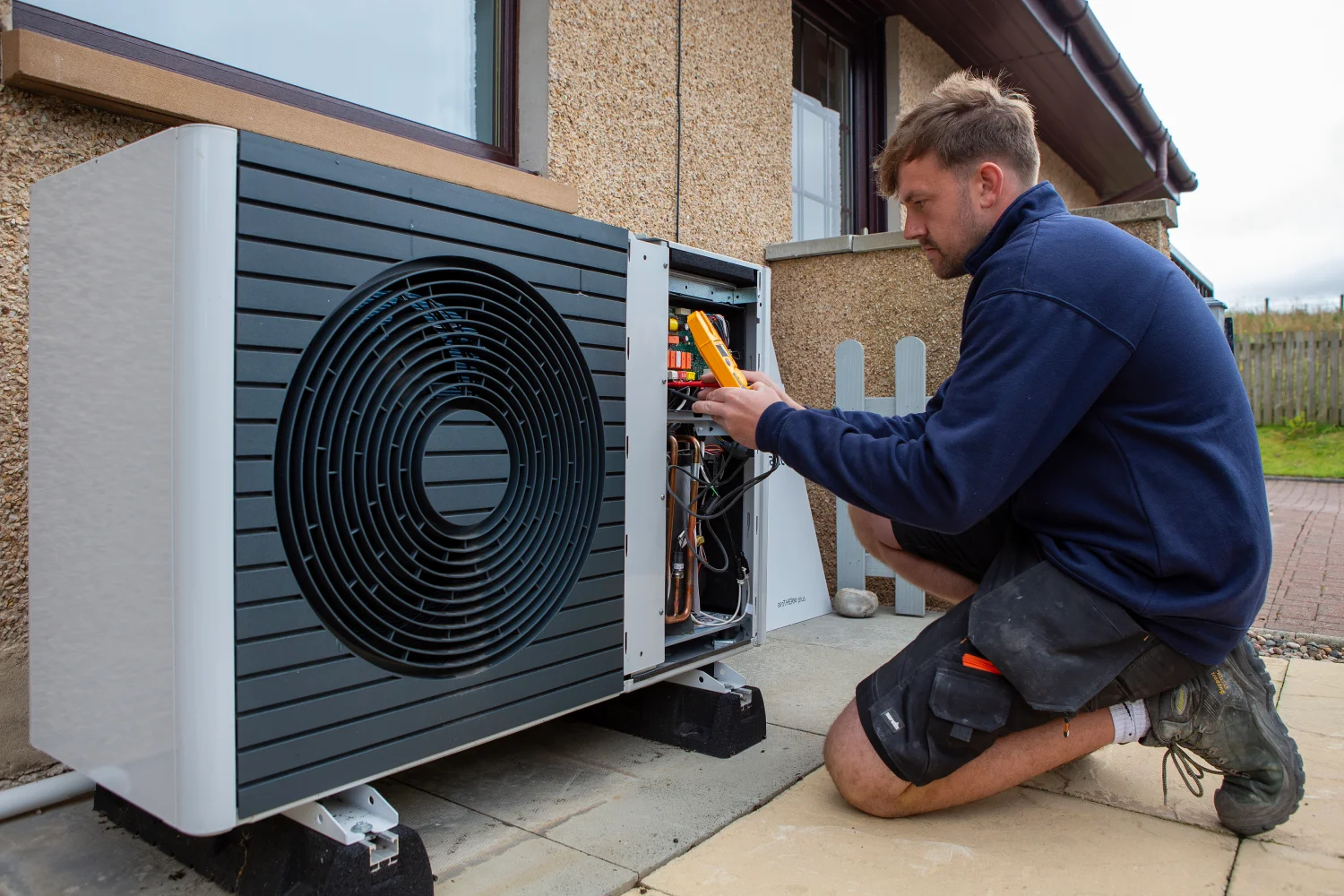

Electrical Supply and DNO Approval for Heat Pumps in Elgin
When homeowners consider installing a heat pump, most of the attention is focused on heating performance, system design and installation costs.

Why you can trust our content
We know the plumbing and renewable energy industry can feel overwhelming, especially with conflicting advice and outdated information online. That’s why we base everything we do on clarity, expertise, and trusted sources:


At a glance
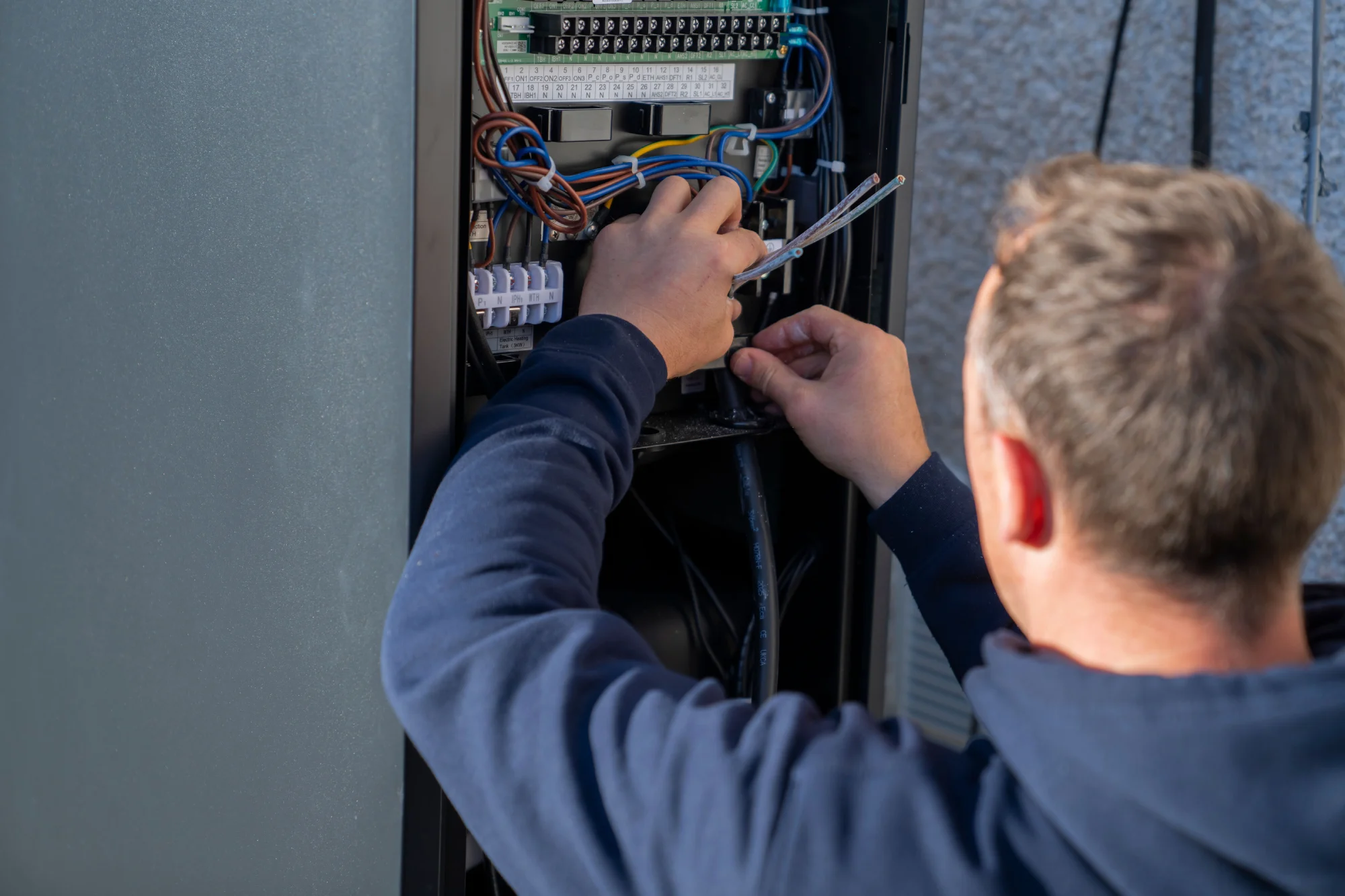
However, another important factor sits behind the scenes – the electrical supply to the property.
Unlike traditional gas or oil boilers, heat pumps rely entirely on electricity to operate. This means installers must confirm that the electrical supply to the home can support the new heating system.
For many properties the existing supply is perfectly suitable, but in some cases additional checks or approvals are required. Working with an experienced air source heat pump company elgin ensures these technical steps are handled correctly before installation begins.
If you are planning a renewable heating upgrade, the Plumbing & Renewables team can guide you through the full installation process, including electrical considerations and system design.
What Is a DNO and Why Does It Matter?
A DNO, or Distribution Network Operator, manages the electricity network in a specific region.
Their responsibility is to ensure that local electricity infrastructure can safely support the demand placed on it by homes and businesses.
When a heat pump is installed, the system adds electrical demand to the property. Installers must notify the DNO so the network operator can confirm that the supply can accommodate the new equipment.
This step helps ensure the electricity network remains stable and safe for everyone connected to it.
Do All Heat Pump Installations Need DNO Approval?
Not every installation requires a full approval process, but most installations must be registered with the network operator.
In many cases the installer simply submits a notification after the system is installed. This confirms that the equipment meets electrical safety requirements.
However, if the system requires a larger electrical capacity than the property currently has, the DNO may need to review the installation in advance.
An experienced best ashp installer elgin will normally manage this process on behalf of the homeowner.
Why Is Electrical Capacity Important?
Electrical capacity refers to the amount of power the property can safely draw from the electricity network.
Heat pumps require more electrical input than traditional boilers because they rely on electricity rather than fuel.
Installers therefore check several aspects of the electrical system, including:
- the rating of the main electrical fuse
- the size of the consumer unit
- the available capacity of the incoming supply
- whether additional electrical upgrades are required
These checks ensure the system can operate safely and reliably once installed.
What Happens During a DNO Notification?
The notification process informs the electricity network operator that new electrical equipment has been installed.
Typical steps include:
- The installer gathers system information.
- Installation details are submitted to the DNO.
- The network operator reviews the information.
- The system is recorded within the local network database.
This process helps the electricity network track energy demand as more renewable technologies are installed across the country.
A qualified air source heat pump company elgin will usually complete this process as part of the installation service.
Typical Electrical Requirements for Heat Pumps
The electrical requirements of a heat pump depend on the size of the system and the heating demand of the property.
The table below provides a general overview of typical electrical considerations.
| System Element | Typical Requirement |
| Electrical supply | Single-phase supply for most homes |
| Consumer unit | May require additional circuit |
| Outdoor unit connection | Dedicated electrical circuit |
| Safety protection | Correct circuit breakers and isolation switches |
These elements are assessed during installation planning to ensure the system meets electrical safety standards.
Can Older Homes Support Heat Pump Installations?
Yes, many older homes can successfully support heat pump installations.
However, installers may sometimes recommend minor electrical upgrades if the property has an older electrical system.
Possible upgrades might include:
- installing a new circuit in the consumer unit
- upgrading protective devices
- improving electrical isolation for the heat pump
These changes ensure the heating system operates safely and reliably.
Working with the best ashp installer elgin helps ensure these technical details are properly addressed during planning.
If you would like to understand how electrical supply affects heat pump installations, the Plumbing & Renewables team can assess your property and explain what may be required. (Link to related blog: Flow Temperatures, Radiators and Real-World Efficiency Explained)
Which option best describes your home?
It just takes 2 minutes
And then you can book a free consultation
Example Scenario – Electrical Planning for a Heat Pump
Consider a detached home in Elgin that is planning to replace an ageing oil boiler with a heat pump.
During the initial survey, installers review the property’s heating requirements and electrical supply. The existing fuse rating is sufficient for the new heating system, so no major electrical upgrades are required.
The installer then submits the system details to the local electricity network operator as part of the standard notification process.
Once installation is complete, the heating system operates normally without any impact on the household electricity supply.
This example highlights how most installations proceed smoothly when proper planning is carried out.
What Role Does the Consumer Unit Play?
The consumer unit distributes electricity throughout the property and provides safety protection for each circuit.
Heat pumps typically require their own dedicated circuit connected to the consumer unit. This ensures the system operates independently from other electrical appliances in the home.
The installer may check:
- whether space is available for a new circuit
- whether existing protective devices meet current standards
- whether additional safety isolation is required
These checks form part of the overall installation planning process.
Does Installing a Heat Pump Increase Electricity Use?
Heat pumps do increase electricity consumption compared with homes that previously relied on gas or oil boilers.
However, the system converts electricity into heat very efficiently. This means that even though electricity powers the system, the overall energy efficiency can remain high.
Energy use depends on several factors, including:
- the size of the property
- insulation levels
- system design
- heating habits
When the system is properly designed and installed, electricity consumption remains predictable and manageable.
How Do Installers Ensure Electrical Safety?
Professional installers follow strict electrical safety standards during installation.
This includes:
- installing dedicated electrical circuits
- using correct circuit protection devices
- ensuring safe isolation switches are installed
- confirming compliance with electrical regulations
These measures ensure the heat pump system operates safely within the home’s electrical infrastructure.
An experienced air source heat pump company elgin will coordinate these requirements alongside the heating installation.
Final Thoughts
Electrical planning is an important part of any heat pump installation, but it is often handled entirely behind the scenes by experienced installers.
Checking electrical capacity, submitting DNO notifications and installing dedicated circuits ensures the heating system operates safely and reliably. In most homes, the existing electrical infrastructure is already suitable, although occasional upgrades may be recommended.
For homeowners in Elgin considering renewable heating, understanding this process helps remove uncertainty around installation requirements.
If you would like expert advice about heat pump installation and electrical planning, the Plumbing & Renewables team can help. Contact our specialists to discuss your property and explore suitable heating solutions.
Related articles

Which option best describes your home?
At a glance
However, another important factor sits behind the scenes – the electrical supply to the property.
Unlike traditional gas or oil boilers, heat pumps rely entirely on electricity to operate. This means installers must confirm that the electrical supply to the home can support the new heating system.
For many properties the existing supply is perfectly suitable, but in some cases additional checks or approvals are required. Working with an experienced air source heat pump company elgin ensures these technical steps are handled correctly before installation begins.
If you are planning a renewable heating upgrade, the Plumbing & Renewables team can guide you through the full installation process, including electrical considerations and system design.
What Is a DNO and Why Does It Matter?
A DNO, or Distribution Network Operator, manages the electricity network in a specific region.
Their responsibility is to ensure that local electricity infrastructure can safely support the demand placed on it by homes and businesses.
When a heat pump is installed, the system adds electrical demand to the property. Installers must notify the DNO so the network operator can confirm that the supply can accommodate the new equipment.
This step helps ensure the electricity network remains stable and safe for everyone connected to it.
Do All Heat Pump Installations Need DNO Approval?
Not every installation requires a full approval process, but most installations must be registered with the network operator.
In many cases the installer simply submits a notification after the system is installed. This confirms that the equipment meets electrical safety requirements.
However, if the system requires a larger electrical capacity than the property currently has, the DNO may need to review the installation in advance.
An experienced best ashp installer elgin will normally manage this process on behalf of the homeowner.
Why Is Electrical Capacity Important?
Electrical capacity refers to the amount of power the property can safely draw from the electricity network.
Heat pumps require more electrical input than traditional boilers because they rely on electricity rather than fuel.
Installers therefore check several aspects of the electrical system, including:
- the rating of the main electrical fuse
- the size of the consumer unit
- the available capacity of the incoming supply
- whether additional electrical upgrades are required
These checks ensure the system can operate safely and reliably once installed.
What Happens During a DNO Notification?
The notification process informs the electricity network operator that new electrical equipment has been installed.
Typical steps include:
- The installer gathers system information.
- Installation details are submitted to the DNO.
- The network operator reviews the information.
- The system is recorded within the local network database.
This process helps the electricity network track energy demand as more renewable technologies are installed across the country.
A qualified air source heat pump company elgin will usually complete this process as part of the installation service.
Typical Electrical Requirements for Heat Pumps
The electrical requirements of a heat pump depend on the size of the system and the heating demand of the property.
The table below provides a general overview of typical electrical considerations.
| System Element | Typical Requirement |
| Electrical supply | Single-phase supply for most homes |
| Consumer unit | May require additional circuit |
| Outdoor unit connection | Dedicated electrical circuit |
| Safety protection | Correct circuit breakers and isolation switches |
These elements are assessed during installation planning to ensure the system meets electrical safety standards.
Can Older Homes Support Heat Pump Installations?
Yes, many older homes can successfully support heat pump installations.
However, installers may sometimes recommend minor electrical upgrades if the property has an older electrical system.
Possible upgrades might include:
- installing a new circuit in the consumer unit
- upgrading protective devices
- improving electrical isolation for the heat pump
These changes ensure the heating system operates safely and reliably.
Working with the best ashp installer elgin helps ensure these technical details are properly addressed during planning.
If you would like to understand how electrical supply affects heat pump installations, the Plumbing & Renewables team can assess your property and explain what may be required. (Link to related blog: Flow Temperatures, Radiators and Real-World Efficiency Explained)
Which option best describes your home?
It just takes 2 minutes
And then you can book a free consultation
Example Scenario – Electrical Planning for a Heat Pump
Consider a detached home in Elgin that is planning to replace an ageing oil boiler with a heat pump.
During the initial survey, installers review the property’s heating requirements and electrical supply. The existing fuse rating is sufficient for the new heating system, so no major electrical upgrades are required.
The installer then submits the system details to the local electricity network operator as part of the standard notification process.
Once installation is complete, the heating system operates normally without any impact on the household electricity supply.
This example highlights how most installations proceed smoothly when proper planning is carried out.
What Role Does the Consumer Unit Play?
The consumer unit distributes electricity throughout the property and provides safety protection for each circuit.
Heat pumps typically require their own dedicated circuit connected to the consumer unit. This ensures the system operates independently from other electrical appliances in the home.
The installer may check:
- whether space is available for a new circuit
- whether existing protective devices meet current standards
- whether additional safety isolation is required
These checks form part of the overall installation planning process.
Does Installing a Heat Pump Increase Electricity Use?
Heat pumps do increase electricity consumption compared with homes that previously relied on gas or oil boilers.
However, the system converts electricity into heat very efficiently. This means that even though electricity powers the system, the overall energy efficiency can remain high.
Energy use depends on several factors, including:
- the size of the property
- insulation levels
- system design
- heating habits
When the system is properly designed and installed, electricity consumption remains predictable and manageable.
How Do Installers Ensure Electrical Safety?
Professional installers follow strict electrical safety standards during installation.
This includes:
- installing dedicated electrical circuits
- using correct circuit protection devices
- ensuring safe isolation switches are installed
- confirming compliance with electrical regulations
These measures ensure the heat pump system operates safely within the home’s electrical infrastructure.
An experienced air source heat pump company elgin will coordinate these requirements alongside the heating installation.
Final Thoughts
Electrical planning is an important part of any heat pump installation, but it is often handled entirely behind the scenes by experienced installers.
Checking electrical capacity, submitting DNO notifications and installing dedicated circuits ensures the heating system operates safely and reliably. In most homes, the existing electrical infrastructure is already suitable, although occasional upgrades may be recommended.
For homeowners in Elgin considering renewable heating, understanding this process helps remove uncertainty around installation requirements.
If you would like expert advice about heat pump installation and electrical planning, the Plumbing & Renewables team can help. Contact our specialists to discuss your property and explore suitable heating solutions.