
Can Solar Panels Really Power a Heat Pump in Elgin?
As more homeowners look for ways to reduce energy bills and improve efficiency, combining renewable technologies is becoming increasingly popular.

Why you can trust our content
We know the plumbing and renewable energy industry can feel overwhelming, especially with conflicting advice and outdated information online. That’s why we base everything we do on clarity, expertise, and trusted sources:


At a glance
Solar panels, heat pumps and battery storage can all work together to create a more efficient energy system within the home.
One of the most common questions people ask is whether solar panels can realistically power a heat pump. The idea sounds appealing – generating electricity during the day and using it to heat your home.
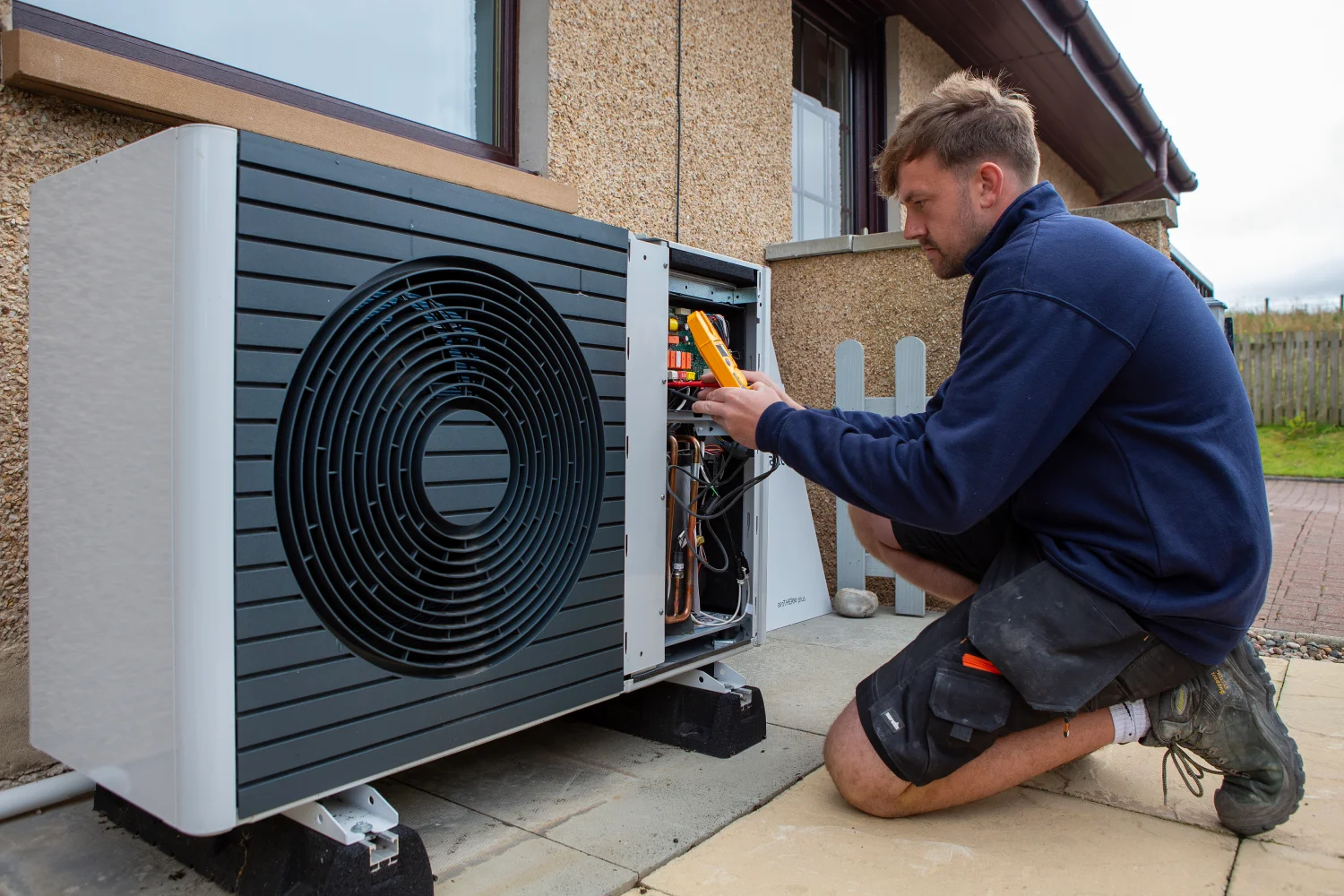
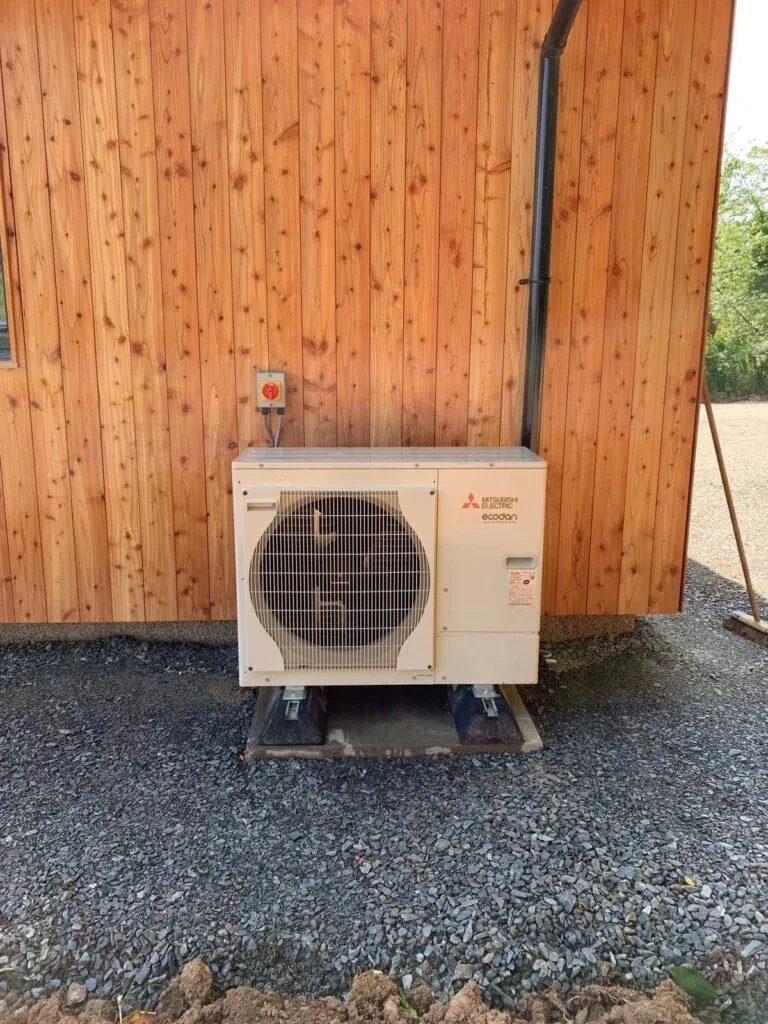
For homeowners considering an air source heat pump elgin installation, understanding how solar generation interacts with heating systems can help clarify what is possible and what practical benefits to expect.
Can Solar Panels Power a Heat Pump?
In simple terms, yes – solar panels can help power a heat pump. However, they rarely supply all the electricity required throughout the year.
Solar panels generate electricity when sunlight is available, while heating demand is usually highest during colder months when daylight hours are shorter.
This means solar generation typically offsets part of the electricity used by the heat pump rather than covering the full demand.
Even partial support from solar energy can help reduce running costs over time.
How Do Solar Panels and Heat Pumps Work Together?
Solar panels produce electricity during daylight hours. That electricity can then be used by appliances within the home, including heating systems.
When combined with a heat pump, solar energy can power several components:
- the compressor inside the heat pump
- circulation pumps
- system controls
- hot water heating cycles
Because heat pumps operate efficiently at lower temperatures, they require less electricity than traditional electric heating systems.
This efficiency makes them particularly suitable for integration with solar power.
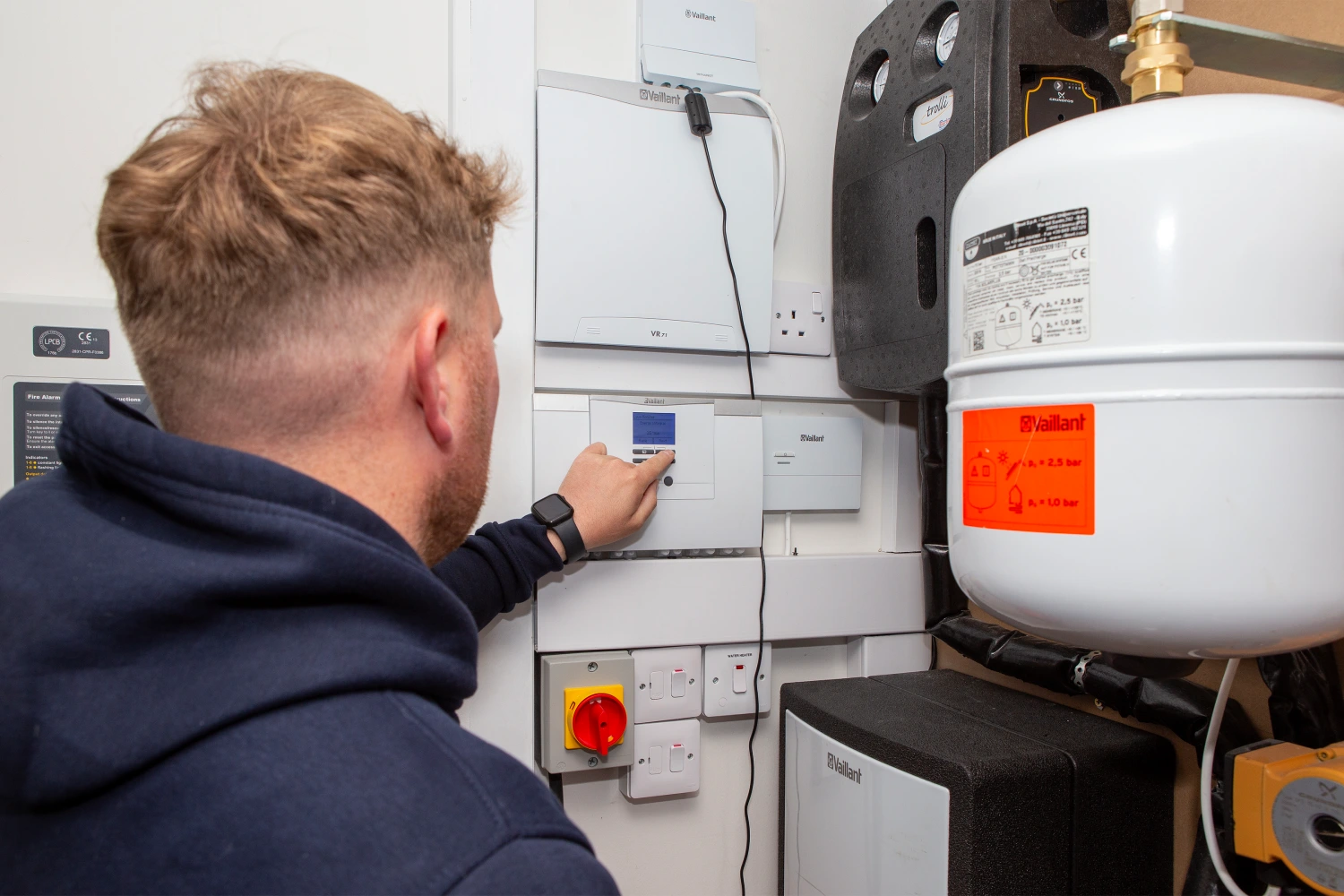
If you are considering combining solar with a heat pump system, speaking with a renewable heating installer elgin can help you understand how the technologies can work together in your home.
What Happens During Winter?
Many homeowners in Elgin are concerned about solar generation during the colder months.
Solar output does drop during winter because days are shorter and sunlight is weaker. At the same time, heating demand increases.
This is why solar panels usually support rather than fully power an air source heat pump elgin system during winter.
However, electricity generated during sunnier periods throughout the year can still contribute significantly to overall energy use.
How Much Electricity Does a Heat Pump Use?
The exact electricity consumption depends on several factors, including:
- property size
- insulation levels
- radiator performance
- hot water demand
- outside temperatures
A well-designed system typically uses far less electricity than traditional electric heating systems.
The relationship between heat output and electricity consumption is often described using the coefficient of performance (COP).
| Heating System | Typical Efficiency | Electricity Needed |
| Electric heater | 100% | High |
| Gas boiler | 85-95% | None (gas fuel) |
| Heat pump | 300-400% equivalent | Lower electricity per heat output |
This high efficiency means solar panels can make a meaningful contribution to the energy used by an air source heat pump elgin installation.
Can Battery Storage Improve the System?
Battery storage can play an important role when solar panels are paired with heating systems.
A battery allows excess electricity generated during the day to be stored and used later in the evening.
This can help balance energy usage across the day.
For example:
- solar panels generate electricity in the afternoon
- the battery stores unused power
- the heat pump uses stored electricity later in the evening
This approach can increase the proportion of renewable energy used within the home.
What Role Do Smart Tariffs Play?
Smart electricity tariffs are becoming increasingly common across the UK.
These tariffs allow electricity prices to vary depending on the time of day.
Homeowners with heat pumps can sometimes benefit from these tariffs by running heating cycles during lower cost periods.
When combined with solar panels and battery storage, smart tariffs can create a flexible and efficient energy system.
An experienced renewable heating installer elgin will often explain how these elements can work together when designing a system.
Which option best describes your home?
It just takes 2 minutes
And then you can book a free consultation
Case Study – A Typical Elgin Installation
A homeowner in Elgin recently installed a renewable energy system that combined solar panels with a heat pump.
The property was a modern detached home with good insulation and a south-facing roof suitable for solar generation.
During the summer months, solar panels generated more electricity than the household required during the day. This excess energy helped support hot water heating cycles.
During winter, the solar system still contributed some electricity, although the majority of heating demand was supplied through grid electricity.
This setup helped reduce annual energy consumption while maintaining reliable heating performance.
Is Solar Always Worth Adding to a Heat Pump?
Solar panels are not essential for a heat pump system to work efficiently.
Many homes operate heat pumps successfully without solar generation.
However, solar panels can offer several potential benefits:
- reduced electricity costs
- improved energy independence
- lower carbon emissions
- better use of renewable energy
The suitability of solar panels depends on factors such as roof orientation, available roof space and shading.
How Do Installers Plan Integrated Renewable Systems?
Designing a system that combines solar panels and heating technology requires careful planning.
Installers usually review several factors before recommending equipment.
These may include:
- roof direction and solar exposure
- electricity usage patterns
- heating demand
- available installation space
By understanding these elements, installers can determine how solar generation can support the heating system effectively.
If you would like guidance on integrating solar panels with a heat pump system, the team at Plumbing & Renewables can assess your property and explain suitable options.
What Should Homeowners Consider Before Installing Solar?
Before installing solar panels alongside a heat pump, homeowners may wish to consider a few key questions.
These include:
- Does the roof receive sufficient sunlight?
- Is there space for a suitable solar array?
- Would battery storage improve energy usage?
- Are smart tariffs available from the electricity supplier?
Discussing these questions with installers helps ensure the system is designed realistically.
Final Thoughts
Combining solar panels with a heat pump can be an effective way to improve overall energy efficiency in the home. While solar generation may not fully power heating throughout the winter, it can still contribute significantly to electricity use across the year.
For homeowners exploring renewable heating options, understanding how these technologies work together helps set realistic expectations.
If you are considering renewable heating or planning an air source heat pump elgin installation, the team at Plumbing & Renewables can provide expert advice and system design tailored to your home.
Related articles

Which option best describes your home?
At a glance
Solar panels, heat pumps and battery storage can all work together to create a more efficient energy system within the home.
One of the most common questions people ask is whether solar panels can realistically power a heat pump. The idea sounds appealing – generating electricity during the day and using it to heat your home.
For homeowners considering an air source heat pump elgin installation, understanding how solar generation interacts with heating systems can help clarify what is possible and what practical benefits to expect.
Can Solar Panels Power a Heat Pump?
In simple terms, yes – solar panels can help power a heat pump. However, they rarely supply all the electricity required throughout the year.
Solar panels generate electricity when sunlight is available, while heating demand is usually highest during colder months when daylight hours are shorter.
This means solar generation typically offsets part of the electricity used by the heat pump rather than covering the full demand.
Even partial support from solar energy can help reduce running costs over time.
How Do Solar Panels and Heat Pumps Work Together?
Solar panels produce electricity during daylight hours. That electricity can then be used by appliances within the home, including heating systems.
When combined with a heat pump, solar energy can power several components:
- the compressor inside the heat pump
- circulation pumps
- system controls
- hot water heating cycles
Because heat pumps operate efficiently at lower temperatures, they require less electricity than traditional electric heating systems.
This efficiency makes them particularly suitable for integration with solar power.
If you are considering combining solar with a heat pump system, speaking with a renewable heating installer elgin can help you understand how the technologies can work together in your home.
What Happens During Winter?
Many homeowners in Elgin are concerned about solar generation during the colder months.
Solar output does drop during winter because days are shorter and sunlight is weaker. At the same time, heating demand increases.
This is why solar panels usually support rather than fully power an air source heat pump elgin system during winter.
However, electricity generated during sunnier periods throughout the year can still contribute significantly to overall energy use.
How Much Electricity Does a Heat Pump Use?
The exact electricity consumption depends on several factors, including:
- property size
- insulation levels
- radiator performance
- hot water demand
- outside temperatures
A well-designed system typically uses far less electricity than traditional electric heating systems.
The relationship between heat output and electricity consumption is often described using the coefficient of performance (COP).
| Heating System | Typical Efficiency | Electricity Needed |
| Electric heater | 100% | High |
| Gas boiler | 85-95% | None (gas fuel) |
| Heat pump | 300-400% equivalent | Lower electricity per heat output |
This high efficiency means solar panels can make a meaningful contribution to the energy used by an air source heat pump elgin installation.
Can Battery Storage Improve the System?
Battery storage can play an important role when solar panels are paired with heating systems.
A battery allows excess electricity generated during the day to be stored and used later in the evening.
This can help balance energy usage across the day.
For example:
- solar panels generate electricity in the afternoon
- the battery stores unused power
- the heat pump uses stored electricity later in the evening
This approach can increase the proportion of renewable energy used within the home.
What Role Do Smart Tariffs Play?
Smart electricity tariffs are becoming increasingly common across the UK.
These tariffs allow electricity prices to vary depending on the time of day.
Homeowners with heat pumps can sometimes benefit from these tariffs by running heating cycles during lower cost periods.
When combined with solar panels and battery storage, smart tariffs can create a flexible and efficient energy system.
An experienced renewable heating installer elgin will often explain how these elements can work together when designing a system.
Which option best describes your home?
It just takes 2 minutes
And then you can book a free consultation
Case Study – A Typical Elgin Installation
A homeowner in Elgin recently installed a renewable energy system that combined solar panels with a heat pump.
The property was a modern detached home with good insulation and a south-facing roof suitable for solar generation.
During the summer months, solar panels generated more electricity than the household required during the day. This excess energy helped support hot water heating cycles.
During winter, the solar system still contributed some electricity, although the majority of heating demand was supplied through grid electricity.
This setup helped reduce annual energy consumption while maintaining reliable heating performance.
Is Solar Always Worth Adding to a Heat Pump?
Solar panels are not essential for a heat pump system to work efficiently.
Many homes operate heat pumps successfully without solar generation.
However, solar panels can offer several potential benefits:
- reduced electricity costs
- improved energy independence
- lower carbon emissions
- better use of renewable energy
The suitability of solar panels depends on factors such as roof orientation, available roof space and shading.
How Do Installers Plan Integrated Renewable Systems?
Designing a system that combines solar panels and heating technology requires careful planning.
Installers usually review several factors before recommending equipment.
These may include:
- roof direction and solar exposure
- electricity usage patterns
- heating demand
- available installation space
By understanding these elements, installers can determine how solar generation can support the heating system effectively.
If you would like guidance on integrating solar panels with a heat pump system, the team at Plumbing & Renewables can assess your property and explain suitable options.
What Should Homeowners Consider Before Installing Solar?
Before installing solar panels alongside a heat pump, homeowners may wish to consider a few key questions.
These include:
- Does the roof receive sufficient sunlight?
- Is there space for a suitable solar array?
- Would battery storage improve energy usage?
- Are smart tariffs available from the electricity supplier?
Discussing these questions with installers helps ensure the system is designed realistically.
Final Thoughts
Combining solar panels with a heat pump can be an effective way to improve overall energy efficiency in the home. While solar generation may not fully power heating throughout the winter, it can still contribute significantly to electricity use across the year.
For homeowners exploring renewable heating options, understanding how these technologies work together helps set realistic expectations.
If you are considering renewable heating or planning an air source heat pump elgin installation, the team at Plumbing & Renewables can provide expert advice and system design tailored to your home.