

Choosing a Renewable Heating Installer Who Understands Smart Energy
Renewable heating technology has evolved quickly over the past decade. Heat pumps are now often installed alongside solar panels, battery storage and smart electricity tariffs, creating far more advanced home energy systems than traditional heating setups.

Why you can trust our content
We know the plumbing and renewable energy industry can feel overwhelming, especially with conflicting advice and outdated information online. That’s why we base everything we do on clarity, expertise, and trusted sources:




At a glance
While the equipment itself is important, the knowledge and experience of the installer can make a significant difference to how well the entire system performs.
For homeowners planning renewable upgrades, choosing an installer who understands both heating systems and wider energy integration is essential. When considering a project such as a heat pump installation, working with a knowledgeable air source heat pump installer elgin helps ensure the system is designed with long term efficiency in mind.
Why Is Installer Knowledge So Important?
Renewable heating systems are very different from traditional gas or oil boilers. Instead of focusing only on producing heat, modern systems often interact with other technologies within the home.
These can include:
- solar panel systems
- battery storage
- EV chargers
- smart electricity tariffs
- advanced heating controls
When these technologies are planned together, they can reduce electricity costs and improve energy efficiency.
An experienced installer will consider how all these elements work together before designing the heating system.
What Does Smart Energy Integration Mean?
Smart energy integration refers to the way different technologies within a home communicate and operate together.
For example, a home might:
- run a heat pump when electricity tariffs are cheaper
- store solar energy in a battery during the day
- use stored energy during the evening
- schedule EV charging during off peak hours
These strategies help homeowners make better use of electricity and avoid unnecessary costs.
When planning renewable upgrades, an installer who understands smart energy systems can help homeowners take advantage of these opportunities.
If you are exploring renewable heating options, the team at Plumbing & Renewables can explain how modern heating systems work alongside solar, batteries and smart tariffs.
Why Is MCS Certification Important?
When researching installers, homeowners will often see references to MCS certification.
MCS is a recognised standard for renewable energy installations in the UK. Installers who meet these requirements follow approved guidelines for system design and installation.
Working with a mcs certified air source heat pump installer provides several benefits:
- installations follow recognised industry standards
- systems are designed using approved calculation methods
- homeowners may qualify for certain government incentives
- documentation is provided to confirm system performance
Certification does not automatically guarantee perfect performance, but it does provide an important quality benchmark.
What Questions Should You Ask an Installer?
Before committing to a renewable heating system, it can be helpful to ask installers about their design approach.
Some useful questions include:
- How will the system be sized for the property?
- Will you complete a full heat loss survey?
- Can the system integrate with solar panels or batteries later?
- How will heating controls be configured?
- Do you offer guidance on smart electricity tariffs?
Installers who take the time to answer these questions clearly are often focused on delivering a properly designed system.
Do Smart Tariffs Really Make a Difference?
Electricity tariffs are changing as energy suppliers introduce time of use pricing.
This means electricity prices may vary depending on the time of day. Smart heating systems can take advantage of these changes by adjusting when energy is used.
For example:
- heating hot water overnight when tariffs are cheaper
- running heating cycles during lower cost periods
- charging batteries when electricity prices drop
When a system is designed with these options in mind, homeowners may benefit from lower running costs.
Which option best describes your home?
It just takes 2 minutes
And then you can book a free consultation
A Typical Elgin Installation Scenario
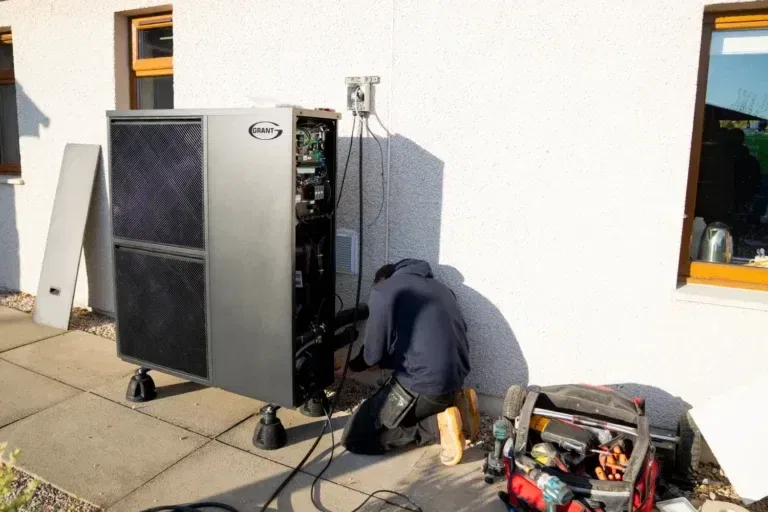
Consider a homeowner in Elgin planning to replace an ageing oil boiler with a heat pump.
During the design stage, the installer not only calculates heating demand but also reviews future energy plans for the property.
The homeowner is considering solar panels and an electric vehicle within the next few years. By planning ahead, the installer ensures the heating system will integrate smoothly with those technologies later.
This type of forward thinking approach is often associated with an experienced air source heat pump installer elgin.
What Should a Good Installer Include in Their Design Process?
Professional renewable heating installations usually involve several design stages.
A typical process may include:
- property survey and heat loss calculations
- radiator assessment and system sizing
- hot water cylinder selection
- electrical supply review
- commissioning and system optimisation
Each of these steps contributes to a system that operates efficiently and reliably.
Installers who follow this structured process are more likely to deliver a heating system that performs as expected.
If you would like to understand how renewable heating systems are designed, you may find our guide on integrated renewable systems helpful.
Can Renewable Systems Be Expanded Later?
Yes. One advantage of modern renewable systems is their flexibility.
Many homes begin with a heat pump installation and later add additional technologies.
Future upgrades may include:
- solar panel installation
- battery storage
- EV charging infrastructure
- smart home energy management
Planning for these possibilities early allows homeowners to expand their systems more easily.
A knowledgeable mcs certified air source heat pump installer will usually consider these long term options during the design stage.
Are All Installers Familiar With Smart Energy Systems?
Not necessarily. While many heating engineers have extensive experience with boilers, integrated renewable systems require additional expertise.
Installers working regularly with renewable technology are more likely to understand:
- renewable heating system design
- smart tariff optimisation
- solar integration
- battery storage compatibility
This broader understanding is particularly important as more homes transition towards integrated energy systems.
Final Thoughts
Choosing the right installer is one of the most important decisions when planning a renewable heating system. Equipment quality matters, but system design and integration are equally important.
Installers who understand both heating systems and smart energy technologies are better positioned to design efficient, future ready systems.
For homeowners considering renewable upgrades, speaking with a trusted air source heat pump installer elgin can help clarify the best options for their property.
If you would like advice from a mcs certified air source heat pump installer, contact Plumbing & Renewables to discuss renewable heating solutions designed for modern homes.
Related articles


Which option best describes your home?
At a glance
While the equipment itself is important, the knowledge and experience of the installer can make a significant difference to how well the entire system performs.
For homeowners planning renewable upgrades, choosing an installer who understands both heating systems and wider energy integration is essential. When considering a project such as a heat pump installation, working with a knowledgeable air source heat pump installer elgin helps ensure the system is designed with long term efficiency in mind.
Why Is Installer Knowledge So Important?
Renewable heating systems are very different from traditional gas or oil boilers. Instead of focusing only on producing heat, modern systems often interact with other technologies within the home.
These can include:
- solar panel systems
- battery storage
- EV chargers
- smart electricity tariffs
- advanced heating controls
When these technologies are planned together, they can reduce electricity costs and improve energy efficiency.
An experienced installer will consider how all these elements work together before designing the heating system.
What Does Smart Energy Integration Mean?
Smart energy integration refers to the way different technologies within a home communicate and operate together.
For example, a home might:
- run a heat pump when electricity tariffs are cheaper
- store solar energy in a battery during the day
- use stored energy during the evening
- schedule EV charging during off peak hours
These strategies help homeowners make better use of electricity and avoid unnecessary costs.
When planning renewable upgrades, an installer who understands smart energy systems can help homeowners take advantage of these opportunities.
If you are exploring renewable heating options, the team at Plumbing & Renewables can explain how modern heating systems work alongside solar, batteries and smart tariffs.
Why Is MCS Certification Important?
When researching installers, homeowners will often see references to MCS certification.
MCS is a recognised standard for renewable energy installations in the UK. Installers who meet these requirements follow approved guidelines for system design and installation.
Working with a mcs certified air source heat pump installer provides several benefits:
- installations follow recognised industry standards
- systems are designed using approved calculation methods
- homeowners may qualify for certain government incentives
- documentation is provided to confirm system performance
Certification does not automatically guarantee perfect performance, but it does provide an important quality benchmark.
What Questions Should You Ask an Installer?
Before committing to a renewable heating system, it can be helpful to ask installers about their design approach.
Some useful questions include:
- How will the system be sized for the property?
- Will you complete a full heat loss survey?
- Can the system integrate with solar panels or batteries later?
- How will heating controls be configured?
- Do you offer guidance on smart electricity tariffs?
Installers who take the time to answer these questions clearly are often focused on delivering a properly designed system.
Do Smart Tariffs Really Make a Difference?
Electricity tariffs are changing as energy suppliers introduce time of use pricing.
This means electricity prices may vary depending on the time of day. Smart heating systems can take advantage of these changes by adjusting when energy is used.
For example:
- heating hot water overnight when tariffs are cheaper
- running heating cycles during lower cost periods
- charging batteries when electricity prices drop
When a system is designed with these options in mind, homeowners may benefit from lower running costs.
Which option best describes your home?
It just takes 2 minutes
And then you can book a free consultation
A Typical Elgin Installation Scenario
Consider a homeowner in Elgin planning to replace an ageing oil boiler with a heat pump.
During the design stage, the installer not only calculates heating demand but also reviews future energy plans for the property.
The homeowner is considering solar panels and an electric vehicle within the next few years. By planning ahead, the installer ensures the heating system will integrate smoothly with those technologies later.
This type of forward thinking approach is often associated with an experienced air source heat pump installer elgin.
What Should a Good Installer Include in Their Design Process?
Professional renewable heating installations usually involve several design stages.
A typical process may include:
- property survey and heat loss calculations
- radiator assessment and system sizing
- hot water cylinder selection
- electrical supply review
- commissioning and system optimisation
Each of these steps contributes to a system that operates efficiently and reliably.
Installers who follow this structured process are more likely to deliver a heating system that performs as expected.
If you would like to understand how renewable heating systems are designed, you may find our guide on integrated renewable systems helpful.
Can Renewable Systems Be Expanded Later?
Yes. One advantage of modern renewable systems is their flexibility.
Many homes begin with a heat pump installation and later add additional technologies.
Future upgrades may include:
- solar panel installation
- battery storage
- EV charging infrastructure
- smart home energy management
Planning for these possibilities early allows homeowners to expand their systems more easily.
A knowledgeable mcs certified air source heat pump installer will usually consider these long term options during the design stage.
Are All Installers Familiar With Smart Energy Systems?
Not necessarily. While many heating engineers have extensive experience with boilers, integrated renewable systems require additional expertise.
Installers working regularly with renewable technology are more likely to understand:
- renewable heating system design
- smart tariff optimisation
- solar integration
- battery storage compatibility
This broader understanding is particularly important as more homes transition towards integrated energy systems.
Final Thoughts
Choosing the right installer is one of the most important decisions when planning a renewable heating system. Equipment quality matters, but system design and integration are equally important.
Installers who understand both heating systems and smart energy technologies are better positioned to design efficient, future ready systems.
For homeowners considering renewable upgrades, speaking with a trusted air source heat pump installer elgin can help clarify the best options for their property.
If you would like advice from a mcs certified air source heat pump installer, contact Plumbing & Renewables to discuss renewable heating solutions designed for modern homes.


