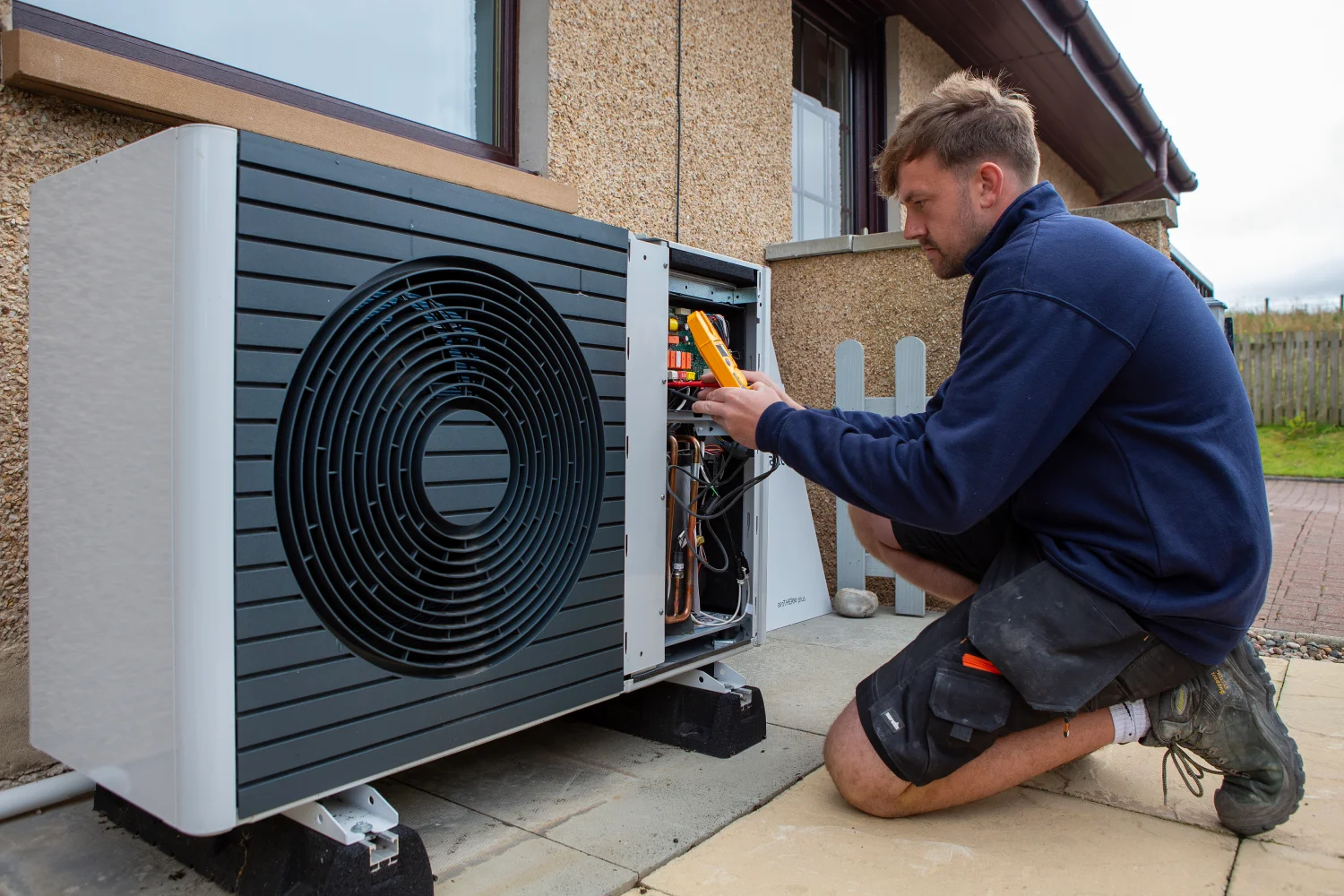

MCS Certified Installers for Renewable Systems in Elgin
Renewable heating technology is becoming increasingly popular as homeowners look for efficient alternatives to traditional boilers. Systems such as air source heat pumps are designed to provide consistent heating while reducing reliance on fossil fuels.

Why you can trust our content
We know the plumbing and renewable energy industry can feel overwhelming, especially with conflicting advice and outdated information online. That’s why we base everything we do on clarity, expertise, and trusted sources:


At a glance
However, installing these systems is very different from fitting a conventional boiler. Renewable technology requires careful system design, accurate heat calculations and proper commissioning to ensure everything works efficiently.
This is why choosing the right installer is such an important part of the process. In particular, many homeowners look for an mcs certified air source heat pump installer to ensure the installation meets recognised industry standards.
What Does MCS Certification Mean?
MCS stands for Microgeneration Certification Scheme. It is a recognised quality assurance standard for renewable energy installations across the UK.
Installers that hold MCS certification have demonstrated that they meet specific requirements related to:
- technical competence
- system design standards
- installation practices
- quality management processes
- ongoing compliance checks
Working with an mcs certified air source heat pump installer helps ensure the installation follows these industry guidelines.
For homeowners, certification provides reassurance that the system has been installed by professionals who understand renewable heating technology.
Why Is Certification Important for Heat Pump Installations?
Heat pumps operate differently from traditional heating systems. Instead of producing heat directly, they extract energy from the outside air and transfer it into the home.
Because of this, correct system design is essential.
Key factors that must be assessed include:
- property heat loss
- radiator sizing
- insulation levels
- hot water demand
- electrical capacity
If these elements are not carefully considered, the system may not perform as expected. A qualified installer ensures that the design and installation process is completed correctly from the start.
If you are considering renewable heating for your home, you can speak with the team at Plumbing & Renewables to discuss your property and request tailored guidance.
Do You Need an MCS Certified Installer?
For most homeowners, working with a certified installer is strongly recommended.
There are several reasons why certification matters.
Firstly, many government incentives and renewable energy schemes require installations to be completed by an mcs certified air source heat pump installer.
Secondly, certification helps ensure that systems are designed according to recognised technical standards.
Finally, installers that hold certification must maintain quality control procedures and follow approved installation practices.
Together, these factors help improve reliability and long term system performance.
What Should Homeowners Expect During the Installation Process?
A professional renewable installation usually follows several key stages.
Initial consultation
The installer reviews the property and discusses heating requirements.
Property survey
Heat loss calculations and system assessments are carried out.
System design
The installer designs a heating system tailored to the home.
Installation
Equipment is installed and connected to the heating system.
Commissioning
The system is tested and configured for efficient operation.
A reputable renewable heating installer elgin will explain each stage clearly so homeowners understand what to expect throughout the project.
How Do You Choose the Right Installer?
Choosing an installer should involve more than simply comparing prices.
Homeowners may wish to consider the following factors when evaluating companies:
- industry certification and qualifications
- experience installing heat pump systems
- detailed system design process
- customer reviews and recommendations
- post installation support
These elements help ensure the installation is completed properly and the system performs as intended.
Working with an experienced renewable heating installer elgin often provides greater confidence in the final result.
Which option best describes your home?
It just takes 2 minutes
And then you can book a free consultation
What Does a Professional Survey Include?
A proper survey is one of the most important steps when planning a heat pump installation.
During this stage, the installer evaluates several aspects of the property.
Typical assessments include:
- heat loss calculations for each room
- radiator sizing requirements
- insulation performance
- hot water cylinder capacity
- available outdoor space for the heat pump unit
The information gathered during the survey forms the basis for the system design.
Without these calculations, it is difficult to determine the correct system size.
Are All Heat Pump Installers the Same?
Not necessarily.
While many heating engineers are skilled professionals, renewable heating systems require additional expertise and training.
This is why some homeowners specifically look for an mcs certified air source heat pump installer when planning an upgrade.
Certification helps demonstrate that the installer understands renewable heating design and installation requirements.
Comparing Certified vs Non Certified Installers
The table below highlights some key differences homeowners may encounter.
| Feature | Certified Installer | Non Certified Installer |
| Industry accreditation | Yes | Not always |
| Installation standards | Regulated | Varies |
| Access to incentives | Usually eligible | Often not eligible |
| System design requirements | Detailed calculations | May vary |
| Compliance checks | Regular audits | Not required |
Choosing a certified professional helps ensure installations meet recognised quality standards.
If you would like to learn more about how heat pumps work with other renewable technologies, you may find this guide helpful.
How Long Does a Heat Pump Installation Take?
Installation timelines vary depending on the property and system complexity.
In many cases:
- smaller homes may take several days
- larger properties may require up to a week
- additional radiator or insulation upgrades may extend the timeline
The installer will normally provide a detailed schedule once the system design is confirmed.
Proper planning helps ensure the installation runs smoothly and with minimal disruption.
Example Scenario – A Typical Elgin Property
Consider a semi detached home in Elgin currently using an ageing oil boiler.
The homeowner wants to transition to renewable heating and begins researching heat pump installations. During the process they contact a local installer to arrange a survey.
The installer performs heat loss calculations, reviews the existing radiator system and recommends an air source heat pump suitable for the property.
After installation and commissioning, the homeowner benefits from a modern heating system designed specifically for their home.
This type of careful planning is typical when working with a professional renewable heating company.
Final Thoughts
Renewable heating technology offers an effective way to improve energy efficiency while reducing reliance on traditional fuels. However, the success of any installation depends heavily on correct system design and professional installation.
Working with an experienced and qualified installer provides reassurance that the system has been installed according to recognised standards.
If you are considering renewable heating for your property, speaking with a trusted specialist can help you explore the options available.
For expert guidance on heat pump systems, contact Plumbing & Renewables. Our team can assess your property and help you plan a renewable heating solution that suits your home.
Related articles

Which option best describes your home?
At a glance
However, installing these systems is very different from fitting a conventional boiler. Renewable technology requires careful system design, accurate heat calculations and proper commissioning to ensure everything works efficiently.
This is why choosing the right installer is such an important part of the process. In particular, many homeowners look for an mcs certified air source heat pump installer to ensure the installation meets recognised industry standards.
What Does MCS Certification Mean?
MCS stands for Microgeneration Certification Scheme. It is a recognised quality assurance standard for renewable energy installations across the UK.
Installers that hold MCS certification have demonstrated that they meet specific requirements related to:
- technical competence
- system design standards
- installation practices
- quality management processes
- ongoing compliance checks
Working with an mcs certified air source heat pump installer helps ensure the installation follows these industry guidelines.
For homeowners, certification provides reassurance that the system has been installed by professionals who understand renewable heating technology.
Why Is Certification Important for Heat Pump Installations?
Heat pumps operate differently from traditional heating systems. Instead of producing heat directly, they extract energy from the outside air and transfer it into the home.
Because of this, correct system design is essential.
Key factors that must be assessed include:
- property heat loss
- radiator sizing
- insulation levels
- hot water demand
- electrical capacity
If these elements are not carefully considered, the system may not perform as expected. A qualified installer ensures that the design and installation process is completed correctly from the start.
If you are considering renewable heating for your home, you can speak with the team at Plumbing & Renewables to discuss your property and request tailored guidance.
Do You Need an MCS Certified Installer?
For most homeowners, working with a certified installer is strongly recommended.
There are several reasons why certification matters.
Firstly, many government incentives and renewable energy schemes require installations to be completed by an mcs certified air source heat pump installer.
Secondly, certification helps ensure that systems are designed according to recognised technical standards.
Finally, installers that hold certification must maintain quality control procedures and follow approved installation practices.
Together, these factors help improve reliability and long term system performance.
What Should Homeowners Expect During the Installation Process?
A professional renewable installation usually follows several key stages.
Initial consultation
The installer reviews the property and discusses heating requirements.
Property survey
Heat loss calculations and system assessments are carried out.
System design
The installer designs a heating system tailored to the home.
Installation
Equipment is installed and connected to the heating system.
Commissioning
The system is tested and configured for efficient operation.
A reputable renewable heating installer elgin will explain each stage clearly so homeowners understand what to expect throughout the project.
How Do You Choose the Right Installer?
Choosing an installer should involve more than simply comparing prices.
Homeowners may wish to consider the following factors when evaluating companies:
- industry certification and qualifications
- experience installing heat pump systems
- detailed system design process
- customer reviews and recommendations
- post installation support
These elements help ensure the installation is completed properly and the system performs as intended.
Working with an experienced renewable heating installer elgin often provides greater confidence in the final result.
Which option best describes your home?
It just takes 2 minutes
And then you can book a free consultation
What Does a Professional Survey Include?
A proper survey is one of the most important steps when planning a heat pump installation.
During this stage, the installer evaluates several aspects of the property.
Typical assessments include:
- heat loss calculations for each room
- radiator sizing requirements
- insulation performance
- hot water cylinder capacity
- available outdoor space for the heat pump unit
The information gathered during the survey forms the basis for the system design.
Without these calculations, it is difficult to determine the correct system size.
Are All Heat Pump Installers the Same?
Not necessarily.
While many heating engineers are skilled professionals, renewable heating systems require additional expertise and training.
This is why some homeowners specifically look for an mcs certified air source heat pump installer when planning an upgrade.
Certification helps demonstrate that the installer understands renewable heating design and installation requirements.
Comparing Certified vs Non Certified Installers
The table below highlights some key differences homeowners may encounter.
| Feature | Certified Installer | Non Certified Installer |
| Industry accreditation | Yes | Not always |
| Installation standards | Regulated | Varies |
| Access to incentives | Usually eligible | Often not eligible |
| System design requirements | Detailed calculations | May vary |
| Compliance checks | Regular audits | Not required |
Choosing a certified professional helps ensure installations meet recognised quality standards.
If you would like to learn more about how heat pumps work with other renewable technologies, you may find this guide helpful.
How Long Does a Heat Pump Installation Take?
Installation timelines vary depending on the property and system complexity.
In many cases:
- smaller homes may take several days
- larger properties may require up to a week
- additional radiator or insulation upgrades may extend the timeline
The installer will normally provide a detailed schedule once the system design is confirmed.
Proper planning helps ensure the installation runs smoothly and with minimal disruption.
Example Scenario – A Typical Elgin Property
Consider a semi detached home in Elgin currently using an ageing oil boiler.
The homeowner wants to transition to renewable heating and begins researching heat pump installations. During the process they contact a local installer to arrange a survey.
The installer performs heat loss calculations, reviews the existing radiator system and recommends an air source heat pump suitable for the property.
After installation and commissioning, the homeowner benefits from a modern heating system designed specifically for their home.
This type of careful planning is typical when working with a professional renewable heating company.
Final Thoughts
Renewable heating technology offers an effective way to improve energy efficiency while reducing reliance on traditional fuels. However, the success of any installation depends heavily on correct system design and professional installation.
Working with an experienced and qualified installer provides reassurance that the system has been installed according to recognised standards.
If you are considering renewable heating for your property, speaking with a trusted specialist can help you explore the options available.
For expert guidance on heat pump systems, contact Plumbing & Renewables. Our team can assess your property and help you plan a renewable heating solution that suits your home.