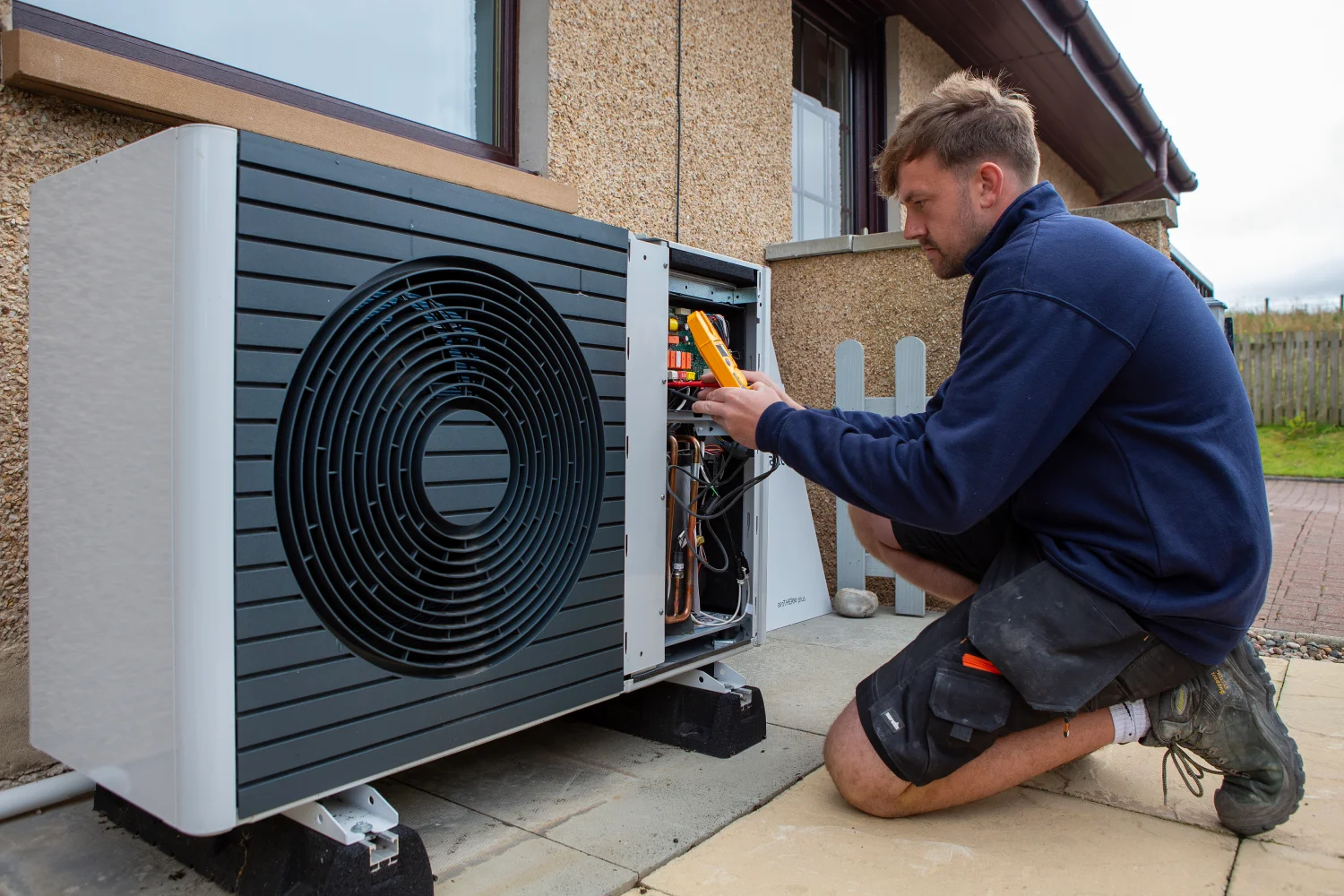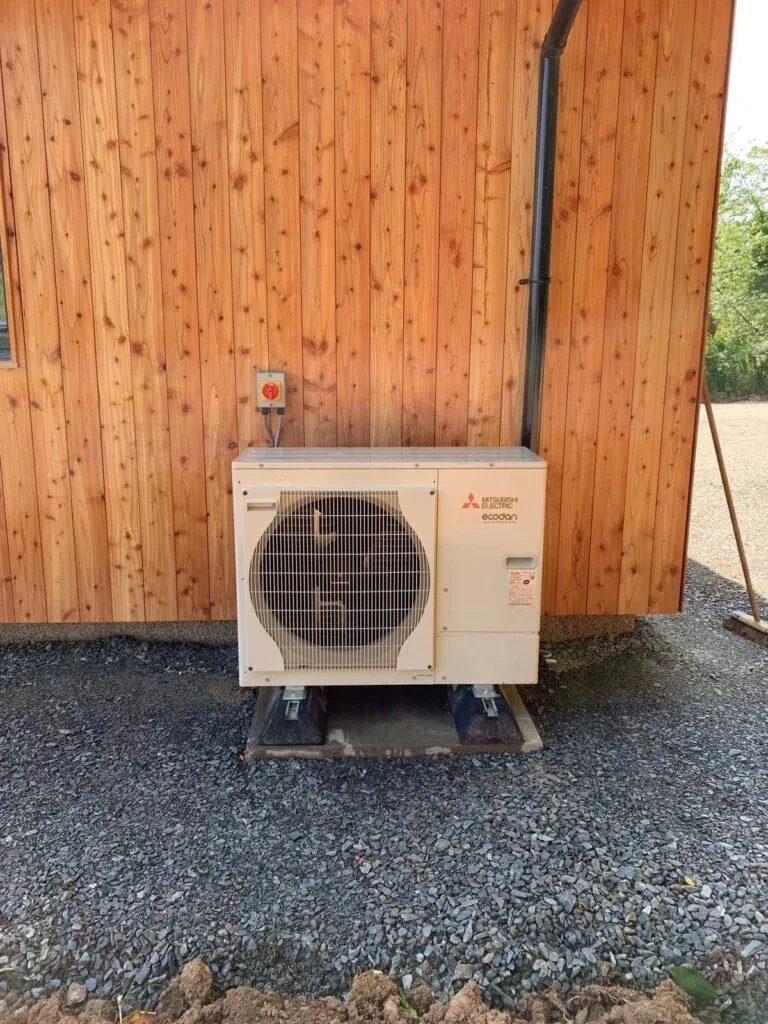

Do You Need Radiator Upgrades in an Older Property?
One of the most common concerns when considering a heat pump in an older property is whether existing radiators will still work effectively.

Why you can trust our content
We know the plumbing and renewable energy industry can feel overwhelming, especially with conflicting advice and outdated information online. That’s why we base everything we do on clarity, expertise, and trusted sources:


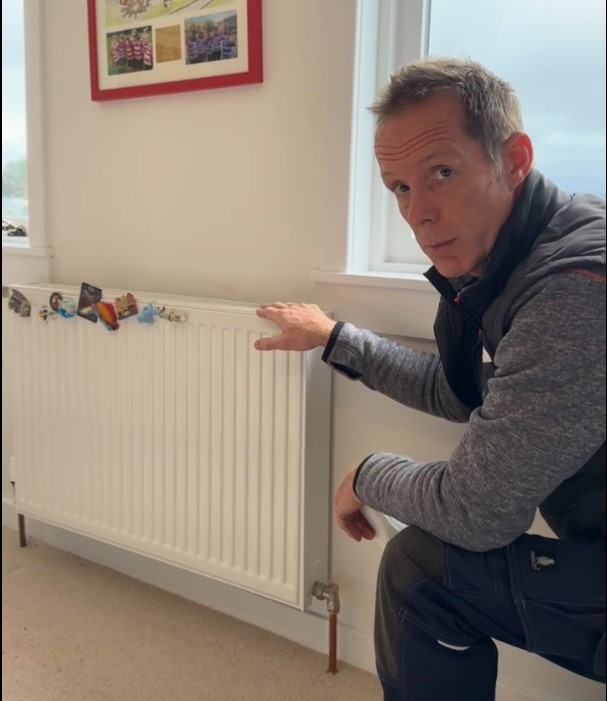
At a glance
The short answer is: sometimes yes, sometimes no. It depends on how your current system was designed and how well your home retains heat. A properly designed system by the best ashp installer elgin will always assess your radiators as part of the overall plan.
This guide explains when radiator upgrades are needed, what changes might be required, and how to ensure your home stays comfortable throughout the year.
Why do heat pumps affect radiator performance?
Heat pumps operate differently from traditional oil or gas boilers.
Key difference:
- Boilers produce high-temperature heat in short bursts
- Heat pumps produce lower-temperature heat over longer periods
Because of this, radiators need to be capable of delivering enough heat at a lower temperature.
Will my existing radiators still work?
In many cases, some radiators will still be suitable.
They may work if:
- Your home is well insulated
- Radiators are already oversized
- Heat demand is relatively low
However, older systems were often designed for high-temperature boilers, which means some radiators may not provide enough output when paired with a heat pump.
A mcs certified ashp installer will carry out room-by-room calculations to determine suitability.
How do you know if upgrades are needed?
The only reliable way is through a full heat loss survey.
This involves calculating:
- Room sizes
- Insulation levels
- Window performance
- Heat demand for each space
From this, your installer can determine whether your current radiators are large enough or if upgrades are required.
What types of radiator upgrades are common?
If upgrades are needed, they are usually straightforward.
Typical options include:
- Installing larger radiators
- Replacing single-panel units with double-panel versions
- Adding additional radiators in larger rooms
- Upgrading towel rails in bathrooms
These changes help deliver the same comfort levels at lower temperatures.
Do all radiators need replacing?
Not necessarily.
In many homes:
- Some radiators are retained
- Some are upgraded
- A few may be added in key areas
A balanced approach keeps costs manageable while ensuring performance.
Working with the best ashp installer elgin ensures changes are targeted rather than unnecessary.
Which option best describes your home?
It just takes 2 minutes
And then you can book a free consultation
What happens if radiators are not upgraded?
If radiators are undersized, you may notice:
- Rooms taking longer to heat up
- Lower overall temperatures
- Increased running costs as the system works harder
This is why correct sizing is critical for both comfort and efficiency.
Are radiator upgrades expensive?
Costs vary depending on the number of radiators and type of upgrades required.
Typical considerations:
- Number of rooms needing upgrades
- Size and type of replacement radiators
- Labour and installation complexity
In most cases, radiator upgrades form part of the overall system installation cost rather than a separate large expense.
Can insulation reduce the need for upgrades?
Yes, improving insulation can significantly reduce heating demand.
Simple improvements include:
- Loft insulation upgrades
- Draught-proofing doors and windows
- Improving glazing over time
Reducing heat loss means your existing radiators may perform better, lowering the need for replacements.
A mcs certified ashp installer will consider insulation as part of the overall system design.
Case example: upgrading an older home
A traditional stone property in Elgin may have:
- High ceilings
- Larger rooms
- Older radiators
In this case:
- Key living areas may require larger radiators
- Bedrooms may only need minor adjustments
- Insulation improvements can reduce overall upgrade needs
This tailored approach ensures both comfort and efficiency.
How do upgraded radiators feel compared to boiler systems?
Many homeowners notice a difference in how heat is delivered.
With a heat pump:
- Radiators feel warm rather than hot
- Heat is steady and consistent
- Rooms maintain an even temperature
This can feel different at first, but often results in improved comfort once the system is understood.
Radiator upgrades vs underfloor heating
Some homeowners consider switching to underfloor heating.
Radiators:
- Lower installation cost
- Easier to retrofit
- Faster installation
Underfloor heating:
- Even heat distribution
- Lower operating temperatures
- Higher installation complexity
Both options can work well depending on your property and renovation plans.
What should you expect from a professional assessment?
A proper assessment should include:
- Full heat loss calculations
- Radiator sizing checks
- System design recommendations
- Clear explanation of any required upgrades
The best ashp installer elgin will ensure every part of the system is designed to work together efficiently.
Contact our team to arrange a full home assessment and find out whether your radiators are suitable.
Radiator upgrade checklist
| Question | Why It Matters |
| Are radiators sized for low temperatures? | Ensures adequate heat output |
| Is the home well insulated? | Reduces heating demand |
| Are some rooms harder to heat? | Indicates potential upgrade areas |
| Has a heat loss survey been done? | Provides accurate system design |
Conclusion
Pre-installation checks are a vital part of any boiler replacement. They ensure your system is safe, efficient, and tailored to your home’s needs.
By taking the time to assess everything properly, you avoid unnecessary complications and ensure your investment delivers long-term value. A knowledgeable installer will guide you through the process, helping you make confident decisions every step of the way.
Boiler Sure provides thorough pre-installation assessments and clear, honest advice. If you’re planning a new boiler, you can get in touch with our team to arrange a professional review and personalised quote.
Related articles

Which option best describes your home?
At a glance
The short answer is: sometimes yes, sometimes no. It depends on how your current system was designed and how well your home retains heat. A properly designed system by the best ashp installer elgin will always assess your radiators as part of the overall plan.
This guide explains when radiator upgrades are needed, what changes might be required, and how to ensure your home stays comfortable throughout the year.
Why do heat pumps affect radiator performance?
Heat pumps operate differently from traditional oil or gas boilers.
Key difference:
- Boilers produce high-temperature heat in short bursts
- Heat pumps produce lower-temperature heat over longer periods
Because of this, radiators need to be capable of delivering enough heat at a lower temperature.
Will my existing radiators still work?
In many cases, some radiators will still be suitable.
They may work if:
- Your home is well insulated
- Radiators are already oversized
- Heat demand is relatively low
However, older systems were often designed for high-temperature boilers, which means some radiators may not provide enough output when paired with a heat pump.
A mcs certified ashp installer will carry out room-by-room calculations to determine suitability.
How do you know if upgrades are needed?
The only reliable way is through a full heat loss survey.
This involves calculating:
- Room sizes
- Insulation levels
- Window performance
- Heat demand for each space
From this, your installer can determine whether your current radiators are large enough or if upgrades are required.
What types of radiator upgrades are common?
If upgrades are needed, they are usually straightforward.
Typical options include:
- Installing larger radiators
- Replacing single-panel units with double-panel versions
- Adding additional radiators in larger rooms
- Upgrading towel rails in bathrooms
These changes help deliver the same comfort levels at lower temperatures.
Do all radiators need replacing?
Not necessarily.
In many homes:
- Some radiators are retained
- Some are upgraded
- A few may be added in key areas
A balanced approach keeps costs manageable while ensuring performance.
Working with the best ashp installer elgin ensures changes are targeted rather than unnecessary.
Which option best describes your home?
It just takes 2 minutes
And then you can book a free consultation
What happens if radiators are not upgraded?
If radiators are undersized, you may notice:
- Rooms taking longer to heat up
- Lower overall temperatures
- Increased running costs as the system works harder
This is why correct sizing is critical for both comfort and efficiency.
Are radiator upgrades expensive?
Costs vary depending on the number of radiators and type of upgrades required.
Typical considerations:
- Number of rooms needing upgrades
- Size and type of replacement radiators
- Labour and installation complexity
In most cases, radiator upgrades form part of the overall system installation cost rather than a separate large expense.
Can insulation reduce the need for upgrades?
Yes, improving insulation can significantly reduce heating demand.
Simple improvements include:
- Loft insulation upgrades
- Draught-proofing doors and windows
- Improving glazing over time
Reducing heat loss means your existing radiators may perform better, lowering the need for replacements.
A mcs certified ashp installer will consider insulation as part of the overall system design.
Case example: upgrading an older home
A traditional stone property in Elgin may have:
- High ceilings
- Larger rooms
- Older radiators
In this case:
- Key living areas may require larger radiators
- Bedrooms may only need minor adjustments
- Insulation improvements can reduce overall upgrade needs
This tailored approach ensures both comfort and efficiency.
How do upgraded radiators feel compared to boiler systems?
Many homeowners notice a difference in how heat is delivered.
With a heat pump:
- Radiators feel warm rather than hot
- Heat is steady and consistent
- Rooms maintain an even temperature
This can feel different at first, but often results in improved comfort once the system is understood.
Radiator upgrades vs underfloor heating
Some homeowners consider switching to underfloor heating.
Radiators:
- Lower installation cost
- Easier to retrofit
- Faster installation
Underfloor heating:
- Even heat distribution
- Lower operating temperatures
- Higher installation complexity
Both options can work well depending on your property and renovation plans.
What should you expect from a professional assessment?
A proper assessment should include:
- Full heat loss calculations
- Radiator sizing checks
- System design recommendations
- Clear explanation of any required upgrades
The best ashp installer elgin will ensure every part of the system is designed to work together efficiently.
Contact our team to arrange a full home assessment and find out whether your radiators are suitable.
Radiator upgrade checklist
| Question | Why It Matters |
| Are radiators sized for low temperatures? | Ensures adequate heat output |
| Is the home well insulated? | Reduces heating demand |
| Are some rooms harder to heat? | Indicates potential upgrade areas |
| Has a heat loss survey been done? | Provides accurate system design |
Conclusion
Pre-installation checks are a vital part of any boiler replacement. They ensure your system is safe, efficient, and tailored to your home’s needs.
By taking the time to assess everything properly, you avoid unnecessary complications and ensure your investment delivers long-term value. A knowledgeable installer will guide you through the process, helping you make confident decisions every step of the way.
Boiler Sure provides thorough pre-installation assessments and clear, honest advice. If you’re planning a new boiler, you can get in touch with our team to arrange a professional review and personalised quote.