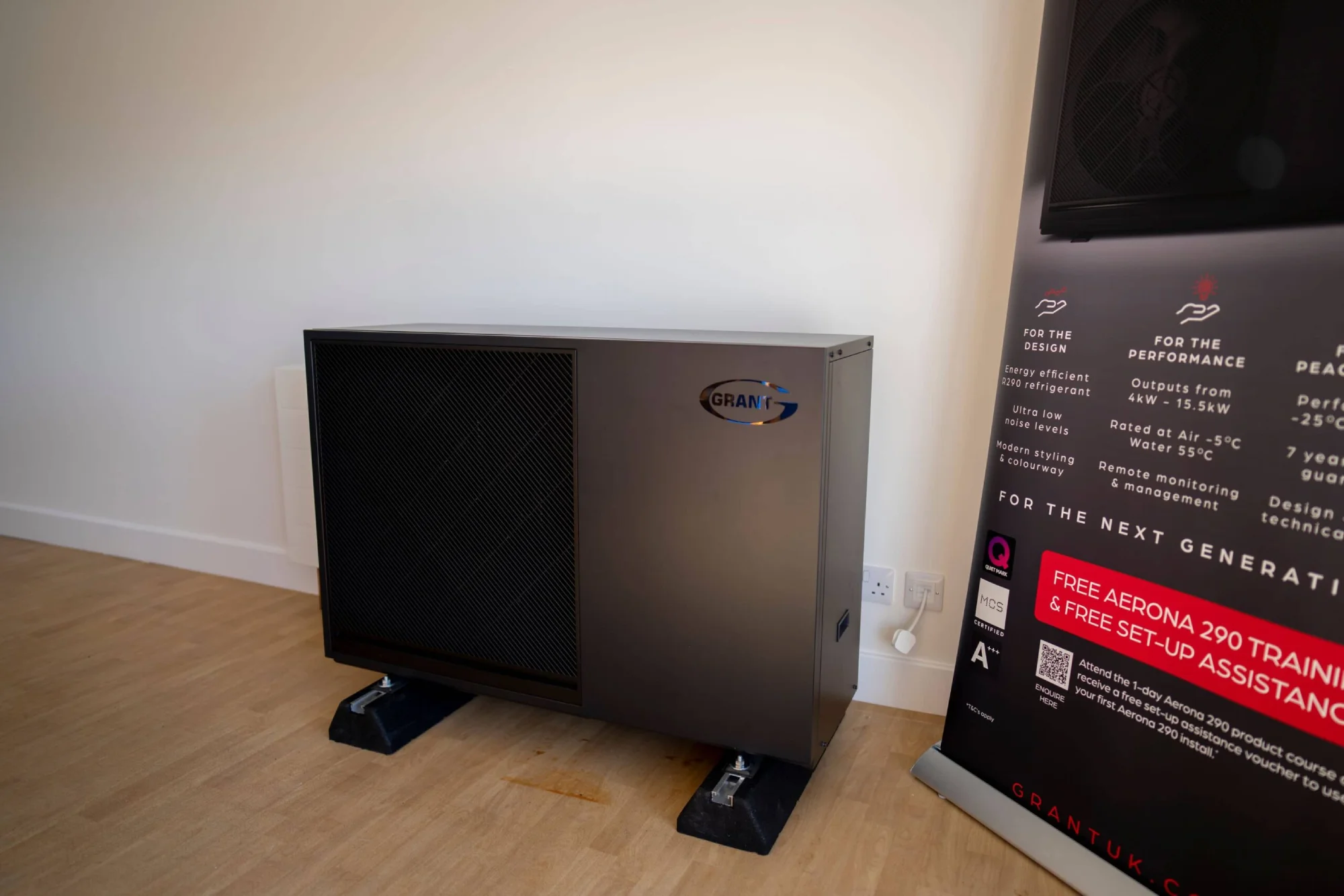

Choosing an MCS-Certified Team for an Oil Boiler to Heat Pump Upgrade
Learn what to look for when choosing an MCS-certified ASHP installer in Elgin, from system design and heat-loss checks to installation, commissioning and aftercare.

Why you can trust our content
We know the plumbing and renewable energy industry can feel overwhelming, especially with conflicting advice and outdated information online. That’s why we base everything we do on clarity, expertise, and trusted sources:


At a glance
Choosing an MCS-Certified Team for an Oil Boiler to Heat Pump Upgrade
Replacing an oil boiler with an air source heat pump is not simply a case of removing one heating appliance and connecting another. A heat pump works differently from an oil boiler, so the quality of the system design, installation and commissioning can have a significant effect on how the finished system performs.
That makes the installer an important part of the decision. An MCS certification can provide useful reassurance, particularly where certification is relevant to a funding or eligibility requirement, but homeowners should still look beyond a logo or certificate. The right questions are about how the installer assesses the property, designs the system and supports it after installation.
If you are comparing installers for an oil-to-ASHP conversion, this guide explains what to look for and which details can help you make a more informed decision.
What does MCS certification mean for a heat pump installer?
MCS, or the Microgeneration Certification Scheme, is a certification scheme covering certain renewable energy technologies and installers. For homeowners, it provides a recognised framework for assessing whether an installer has met the relevant certification requirements.
However, MCS certification should not be treated as a substitute for looking at the actual project proposal.
A properly assessed installation should consider factors such as:
- The property’s heat loss
- The required heat pump capacity
- Existing radiator output
- Flow temperatures
- Hot water requirements
- Pipework and circulation
- Controls and system configuration
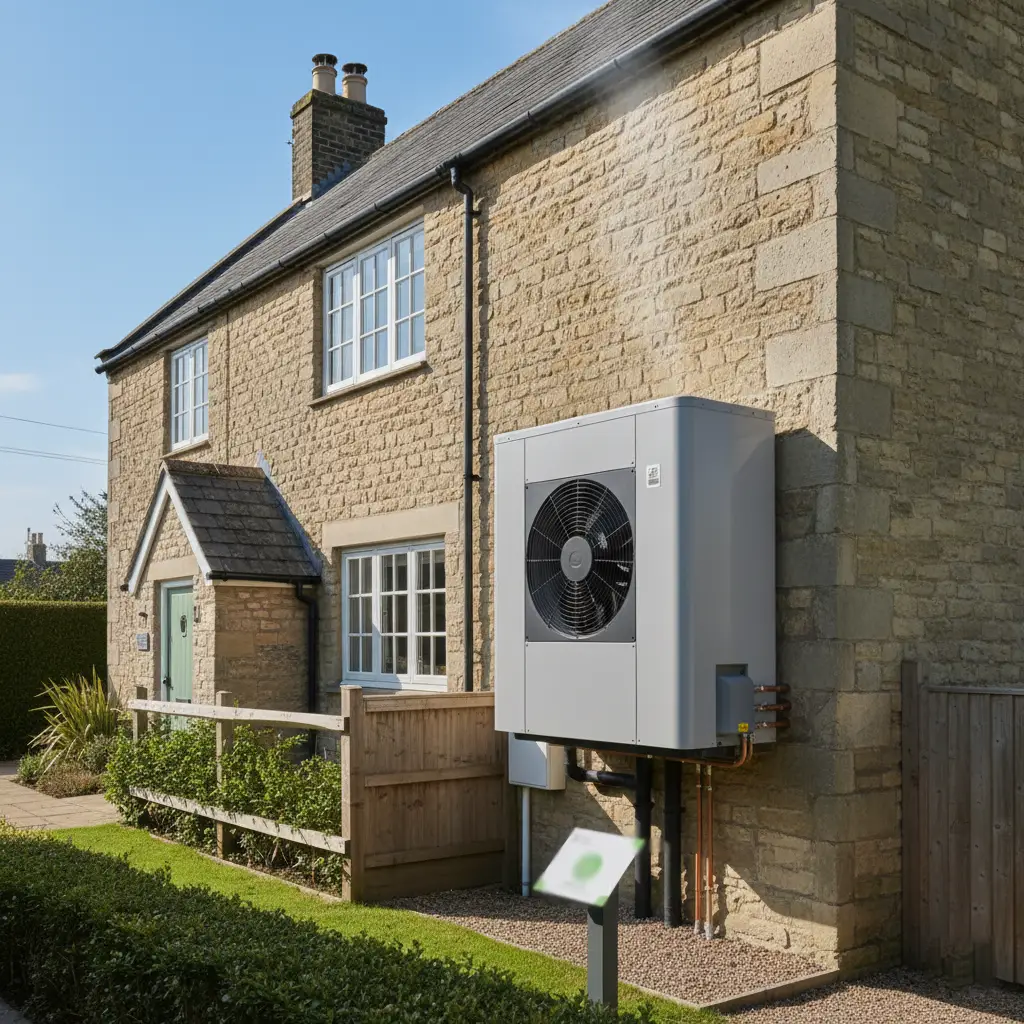
- Outdoor unit positioning
- Electrical requirements
- Commissioning and handover
This is particularly important when converting from oil heating because the existing boiler and heating system may have been designed around different operating temperatures.
For homeowners comparing an mcs certified ashp installer, the key question is therefore not simply whether the installer holds certification. It is how that certification is reflected in the way the project is designed and delivered.
What should you check before choosing an installer?
A good starting point is to verify the installer’s current certification and then ask what their assessment process involves.
You can also ask whether the company regularly installs air source heat pumps rather than simply offering them as one of many occasional services.
Useful questions include:
- Will you carry out a room-by-room heat-loss assessment?
- How will you determine the required heat pump size?
- Will you assess my existing radiators?
- Will the existing pipework be checked?
- What flow temperature will the system be designed around?
- What changes are needed to the hot water system?
- Where will the outdoor unit be positioned?
- What happens if additional work is identified during the survey?
- What documentation will I receive after commissioning?
The answers can tell you much more about the proposed installation than a headline price alone.
Why does the design process matter as much as the equipment?
A recognised heat pump manufacturer cannot compensate for a poorly designed system.
Two homes can have the same floor area but require very different heat pump designs. Construction, insulation, glazing, room layout, radiator sizes, hot water demand and heat loss all affect the system requirements.
For an oil boiler replacement, the existing boiler output should not automatically be used to determine the heat pump size. Oil boilers are often sized differently from heat pumps, and oversizing or undersizing can affect system operation.
A detailed design should establish the property’s heat demand and then consider how the heat pump will meet that demand at the intended operating conditions.
This can also identify whether changes are needed before installation, such as:
- Larger radiators in particular rooms
- Improvements to insulation or draught reduction
- Pipework alterations
- Hot water cylinder replacement
- New controls
- Electrical upgrades
- Changes to the location of heating components
This is one reason why the best ashp installer elgin for a particular property should be judged on the quality of the proposed design rather than simply the brand names or headline price included in the quote.
How can you compare two MCS-certified installers?
If several installers appear suitably qualified, compare the scope of their proposals rather than placing too much emphasis on the total price.
| Area to compare | Questions to ask |
|---|---|
| Heat-loss assessment | Has the property’s heat demand been calculated properly? |
| Heat pump sizing | What capacity has been selected and why? |
| Radiators | Have existing radiator outputs been checked? |
| Pipework | Has circulation and pipe sizing been considered? |
| Hot water | Is the cylinder included and appropriately sized? |
| Outdoor unit | Is the proposed location practical and suitable? |
| Controls | What controls and sensors are included? |
| Installation | What labour and associated work are covered? |
| Commissioning | Is system setup and testing included? |
| Documentation | What certificates and handover information will be provided? |
| Aftercare | What support is available once the system is operating? |
This approach makes it easier to spot differences between quotations.
One quote may initially look cheaper because some necessary work has been excluded. Another may appear more expensive because it includes radiator upgrades, cylinder replacement, electrical work or other installation requirements from the outset.
That does not automatically make one proposal right or wrong. It means the scope needs to be understood before comparing the figures.
Does an MCS certificate guarantee a good installation?
No certification should be viewed as a guarantee that every individual installation will be perfect.
MCS certification provides a recognised framework, but homeowners should still examine the proposed design, installation scope and company experience.
Look for evidence that the installer understands the complete heating system rather than focusing only on the heat pump itself.
For an oil-to-ASHP conversion, this could include discussing:
- How the system will operate at lower flow temperatures
- Whether existing radiators can deliver sufficient heat
- How the hot water cylinder will work with the heat pump
- How the system will respond to changing outdoor temperatures
- Where controls and sensors will be positioned
- How the outdoor unit will be installed
- What happens to the existing oil tank and boiler
- How the system will be commissioned and explained to the homeowner
A detailed conversation at the survey stage can reveal whether the installer has properly considered the property.
What paperwork should you expect after installation?
Documentation is an important part of a renewable heating installation.
Your installer should be able to explain what paperwork will be provided following completion. Depending on the installation and applicable requirements, this may include certification, commissioning information, equipment details, warranties and system documentation.
It is worth keeping these records somewhere safe.
They can be useful if you need to contact the installer later, make a warranty claim, carry out future maintenance or provide evidence relating to the property.
A professional handover should also explain how to use the controls and what settings have been configured.
If the homeowner leaves the installation without understanding the basic controls, the system may not be operated as intended.
What should aftercare look like after an ASHP installation?
The relationship with the installer should not necessarily end when the outdoor unit starts running.
A heat pump is part of a complete heating system, and homeowners may have questions after installation as they become familiar with the controls and operating pattern.
Useful aftercare can include:
- Explanation of normal system operation
- Guidance on controls and heating schedules
- Warranty information
- Commissioning records
- Advice on routine maintenance
- A clear contact route for installation-related questions
- Information about what to do if the system develops a fault
It is also useful to ask about aftercare before signing a contract rather than waiting until something goes wrong.
A clear answer gives you a better understanding of what support is available and what falls outside the installer’s responsibility.
What questions should you ask before signing an ASHP installation contract?
Before committing to an installer, take the time to go through the proposal in detail.
Ask the installer to explain anything that you do not understand, particularly if the quotation contains technical terms or allowances.
Some of the most useful questions include:
Has the property had a heat-loss assessment? Find out how the heat pump size was calculated.
Will my existing radiators work? Ask whether every room has been checked rather than assuming all radiators can remain.
Is everything required included in the price? Clarify whether cylinder changes, electrical work, pipework, controls, radiator upgrades and other associated work are included.
What happens to the existing oil heating equipment? Confirm whether boiler and oil tank removal, disposal or related work is included or excluded.
What happens after installation? Ask about commissioning, documentation, warranties and ongoing support.
These questions help turn a general quotation into a clearer picture of what you are actually buying.
How do you identify the right installer for your particular property?
There is no single installation approach that suits every home.
A detached rural property with an existing oil heating system may have very different requirements from a smaller, well-insulated home. The age and construction of the property, available outdoor space, radiator sizes, pipework and hot water arrangements all need to be considered.
That means the best ashp installer elgin for your project should be assessed against the specific requirements of your home.
Look for an installer that is prepared to inspect the property properly, explain the proposed design and clearly identify what is included in the work.
An mcs certified ashp installer can provide an important part of that assessment, but homeowners should still ask questions and understand the complete proposal before proceeding.
Final Thoughts
Moving from oil heating to an air source heat pump is a significant change to the way a home is heated. Choosing an installer therefore involves more than checking a certification logo or comparing headline prices.
Look at the complete process: property assessment, heat-loss calculations, system design, equipment selection, installation scope, commissioning, documentation and aftercare. The more clearly an installer can explain these areas, the easier it is to understand what the project involves.
If you are comparing the best ashp installer elgin options for an oil boiler replacement, focus on evidence, transparency and suitability for your property rather than relying on a single claim or figure.
Related articles

Which option best describes your home?
At a glance
Choosing an MCS-Certified Team for an Oil Boiler to Heat Pump Upgrade
Replacing an oil boiler with an air source heat pump is not simply a case of removing one heating appliance and connecting another. A heat pump works differently from an oil boiler, so the quality of the system design, installation and commissioning can have a significant effect on how the finished system performs.
That makes the installer an important part of the decision. An MCS certification can provide useful reassurance, particularly where certification is relevant to a funding or eligibility requirement, but homeowners should still look beyond a logo or certificate. The right questions are about how the installer assesses the property, designs the system and supports it after installation.
If you are comparing installers for an oil-to-ASHP conversion, this guide explains what to look for and which details can help you make a more informed decision.
What does MCS certification mean for a heat pump installer?
MCS, or the Microgeneration Certification Scheme, is a certification scheme covering certain renewable energy technologies and installers. For homeowners, it provides a recognised framework for assessing whether an installer has met the relevant certification requirements.
However, MCS certification should not be treated as a substitute for looking at the actual project proposal.
A properly assessed installation should consider factors such as:
- The property’s heat loss
- The required heat pump capacity
- Existing radiator output
- Flow temperatures
- Hot water requirements
- Pipework and circulation
- Controls and system configuration
- Outdoor unit positioning
- Electrical requirements
- Commissioning and handover
This is particularly important when converting from oil heating because the existing boiler and heating system may have been designed around different operating temperatures.
For homeowners comparing an mcs certified ashp installer, the key question is therefore not simply whether the installer holds certification. It is how that certification is reflected in the way the project is designed and delivered.
What should you check before choosing an installer?
A good starting point is to verify the installer’s current certification and then ask what their assessment process involves.
You can also ask whether the company regularly installs air source heat pumps rather than simply offering them as one of many occasional services.
Useful questions include:
- Will you carry out a room-by-room heat-loss assessment?
- How will you determine the required heat pump size?
- Will you assess my existing radiators?
- Will the existing pipework be checked?
- What flow temperature will the system be designed around?
- What changes are needed to the hot water system?
- Where will the outdoor unit be positioned?
- What happens if additional work is identified during the survey?
- What documentation will I receive after commissioning?
The answers can tell you much more about the proposed installation than a headline price alone.
Why does the design process matter as much as the equipment?
A recognised heat pump manufacturer cannot compensate for a poorly designed system.
Two homes can have the same floor area but require very different heat pump designs. Construction, insulation, glazing, room layout, radiator sizes, hot water demand and heat loss all affect the system requirements.
For an oil boiler replacement, the existing boiler output should not automatically be used to determine the heat pump size. Oil boilers are often sized differently from heat pumps, and oversizing or undersizing can affect system operation.
A detailed design should establish the property’s heat demand and then consider how the heat pump will meet that demand at the intended operating conditions.
This can also identify whether changes are needed before installation, such as:
- Larger radiators in particular rooms
- Improvements to insulation or draught reduction
- Pipework alterations
- Hot water cylinder replacement
- New controls
- Electrical upgrades
- Changes to the location of heating components
This is one reason why the best ashp installer elgin for a particular property should be judged on the quality of the proposed design rather than simply the brand names or headline price included in the quote.
How can you compare two MCS-certified installers?
If several installers appear suitably qualified, compare the scope of their proposals rather than placing too much emphasis on the total price.
| Area to compare | Questions to ask |
|---|---|
| Heat-loss assessment | Has the property’s heat demand been calculated properly? |
| Heat pump sizing | What capacity has been selected and why? |
| Radiators | Have existing radiator outputs been checked? |
| Pipework | Has circulation and pipe sizing been considered? |
| Hot water | Is the cylinder included and appropriately sized? |
| Outdoor unit | Is the proposed location practical and suitable? |
| Controls | What controls and sensors are included? |
| Installation | What labour and associated work are covered? |
| Commissioning | Is system setup and testing included? |
| Documentation | What certificates and handover information will be provided? |
| Aftercare | What support is available once the system is operating? |
This approach makes it easier to spot differences between quotations.
One quote may initially look cheaper because some necessary work has been excluded. Another may appear more expensive because it includes radiator upgrades, cylinder replacement, electrical work or other installation requirements from the outset.
That does not automatically make one proposal right or wrong. It means the scope needs to be understood before comparing the figures.
Does an MCS certificate guarantee a good installation?
No certification should be viewed as a guarantee that every individual installation will be perfect.
MCS certification provides a recognised framework, but homeowners should still examine the proposed design, installation scope and company experience.
Look for evidence that the installer understands the complete heating system rather than focusing only on the heat pump itself.
For an oil-to-ASHP conversion, this could include discussing:
- How the system will operate at lower flow temperatures
- Whether existing radiators can deliver sufficient heat
- How the hot water cylinder will work with the heat pump
- How the system will respond to changing outdoor temperatures
- Where controls and sensors will be positioned
- How the outdoor unit will be installed
- What happens to the existing oil tank and boiler
- How the system will be commissioned and explained to the homeowner
A detailed conversation at the survey stage can reveal whether the installer has properly considered the property.
What paperwork should you expect after installation?
Documentation is an important part of a renewable heating installation.
Your installer should be able to explain what paperwork will be provided following completion. Depending on the installation and applicable requirements, this may include certification, commissioning information, equipment details, warranties and system documentation.
It is worth keeping these records somewhere safe.
They can be useful if you need to contact the installer later, make a warranty claim, carry out future maintenance or provide evidence relating to the property.
A professional handover should also explain how to use the controls and what settings have been configured.
If the homeowner leaves the installation without understanding the basic controls, the system may not be operated as intended.
What should aftercare look like after an ASHP installation?
The relationship with the installer should not necessarily end when the outdoor unit starts running.
A heat pump is part of a complete heating system, and homeowners may have questions after installation as they become familiar with the controls and operating pattern.
Useful aftercare can include:
- Explanation of normal system operation
- Guidance on controls and heating schedules
- Warranty information
- Commissioning records
- Advice on routine maintenance
- A clear contact route for installation-related questions
- Information about what to do if the system develops a fault
It is also useful to ask about aftercare before signing a contract rather than waiting until something goes wrong.
A clear answer gives you a better understanding of what support is available and what falls outside the installer’s responsibility.
What questions should you ask before signing an ASHP installation contract?
Before committing to an installer, take the time to go through the proposal in detail.
Ask the installer to explain anything that you do not understand, particularly if the quotation contains technical terms or allowances.
Some of the most useful questions include:
Has the property had a heat-loss assessment? Find out how the heat pump size was calculated.
Will my existing radiators work? Ask whether every room has been checked rather than assuming all radiators can remain.
Is everything required included in the price? Clarify whether cylinder changes, electrical work, pipework, controls, radiator upgrades and other associated work are included.
What happens to the existing oil heating equipment? Confirm whether boiler and oil tank removal, disposal or related work is included or excluded.
What happens after installation? Ask about commissioning, documentation, warranties and ongoing support.
These questions help turn a general quotation into a clearer picture of what you are actually buying.
How do you identify the right installer for your particular property?
There is no single installation approach that suits every home.
A detached rural property with an existing oil heating system may have very different requirements from a smaller, well-insulated home. The age and construction of the property, available outdoor space, radiator sizes, pipework and hot water arrangements all need to be considered.
That means the best ashp installer elgin for your project should be assessed against the specific requirements of your home.
Look for an installer that is prepared to inspect the property properly, explain the proposed design and clearly identify what is included in the work.
An mcs certified ashp installer can provide an important part of that assessment, but homeowners should still ask questions and understand the complete proposal before proceeding.
Final Thoughts
Moving from oil heating to an air source heat pump is a significant change to the way a home is heated. Choosing an installer therefore involves more than checking a certification logo or comparing headline prices.
Look at the complete process: property assessment, heat-loss calculations, system design, equipment selection, installation scope, commissioning, documentation and aftercare. The more clearly an installer can explain these areas, the easier it is to understand what the project involves.
If you are comparing the best ashp installer elgin options for an oil boiler replacement, focus on evidence, transparency and suitability for your property rather than relying on a single claim or figure.