
Financing an Oil Boiler to Heat Pump Upgrade: What to Price Before You Apply
Considering heat pump finance in Elgin? Learn what to include in your ASHP budget, from installation and upgrades to finance terms and ongoing costs.

Why you can trust our content
We know the plumbing and renewable energy industry can feel overwhelming, especially with conflicting advice and outdated information online. That’s why we base everything we do on clarity, expertise, and trusted sources:


At a glance
Replacing an oil boiler with an air source heat pump can involve a substantial upfront investment, particularly if the existing heating system needs modifications. For some homeowners, spreading the cost may therefore be worth considering alongside the technical side of the project.
However, applying for finance before understanding the full installation scope can make it difficult to know how much you actually need to borrow. A realistic budget should account for the complete conversion, including equipment, radiators, pipework, hot water, electrical work and removal of existing oil equipment where applicable.
If you are considering heat pump finance elgin, this guide explains the costs to establish before looking at finance options.
What should you calculate before applying for heat pump finance?
The first step is to establish the likely total installation cost.
A heat pump conversion can involve several separate elements:
- Heat pump equipment
- Hot water cylinder
- Heating controls
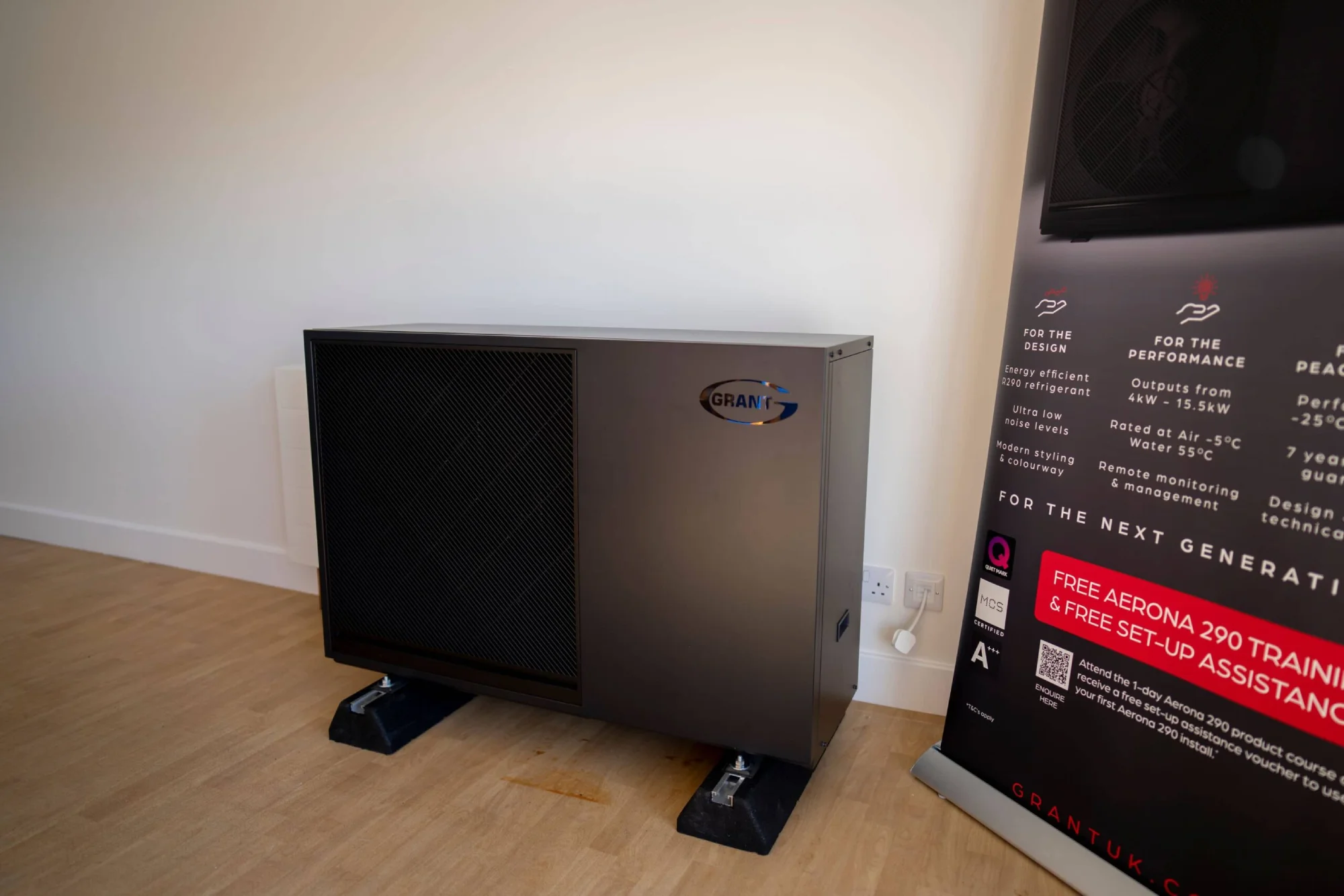
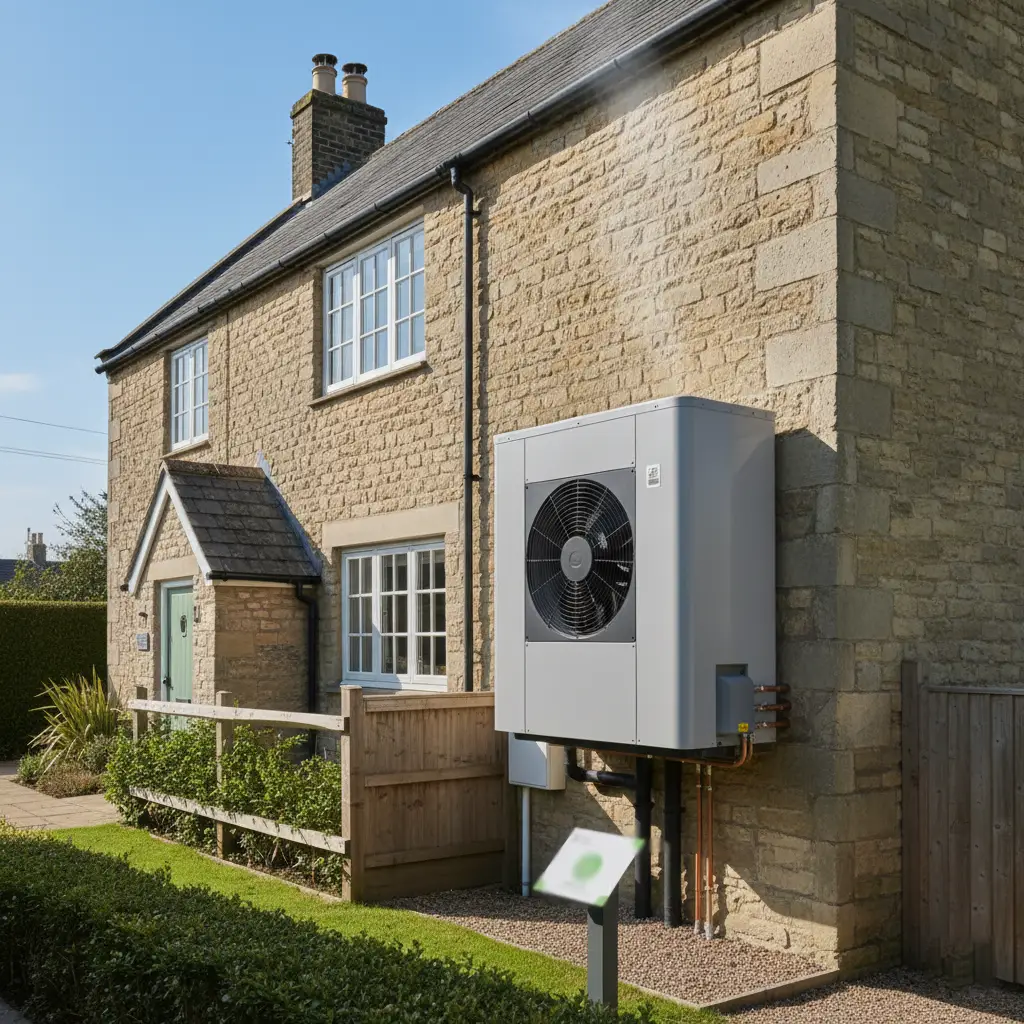
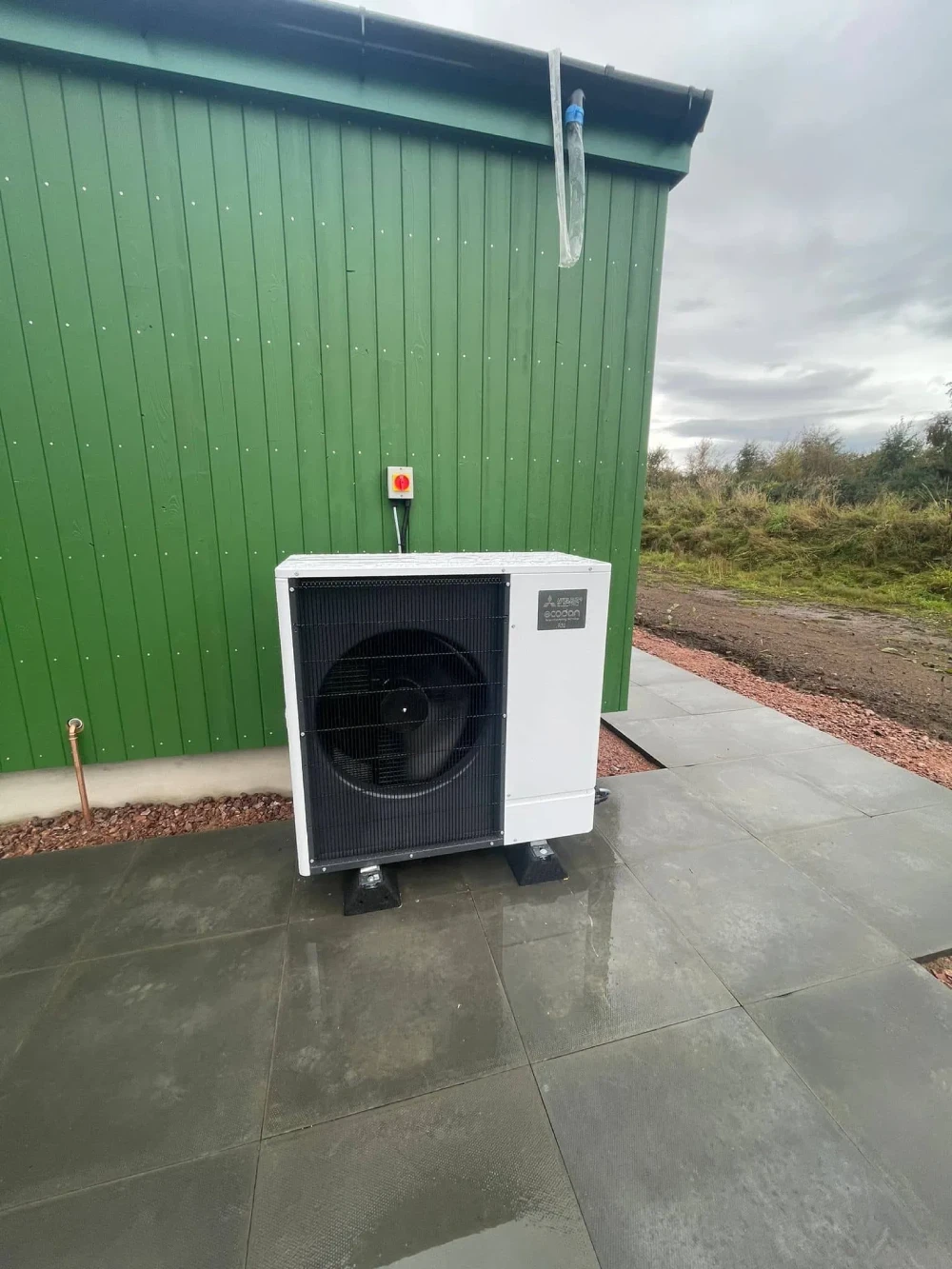
- Outdoor unit and mounting
- Radiator upgrades
- Pipework alterations
- Electrical work
- Installation labour
- Removal of the existing oil boiler
- Oil tank removal or disposal where included
- Commissioning
- Handover and documentation
Not every property will require all of these.
The best way to avoid budgeting based on assumptions is to have the property assessed and request a detailed quotation that identifies what is included and excluded.
For example, a headline heat pump price may not include radiator upgrades or oil tank removal. If these are required later, the amount you initially planned to finance may no longer match the complete project cost.
Does the average cost of a heat pump installation tell you what your project will cost?
Not necessarily.
The average cost of a heat pump installation can be useful when researching the market, but averages cannot account for the individual characteristics of your home.
A property’s heat loss, size, insulation, radiator output, pipework, hot water requirements and outdoor unit position can all affect the work involved.
For an oil boiler replacement, the existing heating system also matters.
A home with suitable radiators and straightforward access may need fewer alterations than an older property where several rooms require larger radiators and sections of pipework need changing.
This means an online average should be treated as general guidance rather than a personal project budget.
What should a heat pump quotation include?
Before arranging finance, check that the quotation gives you enough detail to understand the complete installation.
| Cost area | What to check |
|---|---|
| Heat pump | Capacity, make and model or proposed specification |
| Hot water | Cylinder size and installation |
| Radiators | Whether existing radiators remain or replacements are required |
| Pipework | Any alterations or upgrades |
| Controls | Controls, sensors and system components |
| Electrical | Connection work and any required upgrades |
| Outdoor unit | Mounting and installation arrangements |
| Oil equipment | Boiler and tank removal or disposal |
| Labour | Installation and associated works |
| Commissioning | System setup, testing and handover |
| Exclusions | Any work not included in the quotation |
A detailed quote gives you a more reliable figure to use when considering how the project might be paid for.
Should you finance the whole heat pump conversion?
That depends on your circumstances and the finance arrangement available to you.
Some homeowners may prefer to fund part of the installation themselves and finance the remaining amount. Others may consider financing the full project.
Before deciding, calculate the actual amount required after taking into account any savings or contributions you intend to make.
For example:
Total installation price minus any amount you plan to pay upfront equals amount potentially requiring finance
You should also account for any fees, interest or other charges associated with the finance agreement.
The important figure is therefore not simply the monthly payment.
A lower monthly payment could result from a longer repayment period, while a different arrangement could have a higher monthly payment but a different overall cost.
Review the full terms before making a decision.
What extra costs could appear during an oil-to-ASHP conversion?
One reason to obtain a detailed survey before arranging finance is to identify potential additional work.
Common areas to investigate include:
Radiators
A heat pump generally operates at lower flow temperatures than a conventional oil boiler. Some existing radiators may therefore need to be upgraded to provide sufficient heat.
Pipework
Existing pipework should be checked for suitability and circulation requirements. Alterations may be needed in some properties.
Hot water
A suitable hot water cylinder may be required, particularly where the existing system does not have one that is compatible with the proposed heat pump setup.
Electrical work
The installer should assess the electrical requirements and explain whether any additional work is needed.
Oil tank and boiler removal
If the old heating system is being fully removed, clarify whether removal and disposal are included.
Outdoor unit installation
The distance, access and mounting arrangements for the outdoor unit can affect installation complexity.
These are not automatically additional costs. The purpose of the survey is to determine which requirements apply to your home.
How can you compare finance options for a heat pump?
Once you know the installation amount, you can compare the finance arrangements available to you.
Look at more than the advertised monthly payment.
Consider:
- Amount borrowed
- Deposit or upfront contribution
- Repayment period
- Interest rate
- Total amount repayable
- Fees or charges
- Early repayment conditions
- Eligibility requirements
- Whether the finance is secured or unsecured
- What happens if you change your mind or cancel
The exact terms will depend on the finance provider and your circumstances.
If a contractor offers finance, ask for the relevant information and make sure you understand who is providing the credit and what the agreement involves.
You should also avoid assuming that every heat pump installer offers finance or that every homeowner will qualify.
What happens if the installation quote changes?
Ideally, the majority of the project scope should be established before work begins.
A detailed survey and quotation can reduce uncertainty by identifying the likely system requirements in advance.
However, homeowners should still ask what happens if unexpected work is discovered.
For example, if previously inaccessible pipework needs replacing or an electrical issue is identified, find out:
- How additional work will be priced
- Whether you will be asked to approve it before work continues
- Whether the finance arrangement can cover additional costs
- Whether the additional work is essential or optional
Do not assume that an increase in the installation price will automatically be covered by an existing finance agreement.
Clarifying this before work begins can prevent unpleasant surprises.
Can grants or other support affect the amount you need to finance?
Potentially, but eligibility depends on the scheme, property, installer, location and rules applying at the time.
If you are considering any grant or financial support, check the current eligibility requirements before deducting an assumed amount from your project budget.
Do not arrange finance based on a grant that has not been confirmed.
It is also important to establish whether any funding must be approved before installation work starts.
The order in which you arrange the assessment, funding and installation can matter, so check the relevant conditions carefully.
Why should you know the full project cost before choosing a finance term?
The repayment period affects how the overall finance arrangement works.
A longer term may reduce the monthly payment but can increase the total amount repaid. A shorter term may have higher monthly payments but a different overall cost.
This means your decision should consider both:
Monthly affordability Can the payment fit comfortably within your household budget?
Total repayment How much will you repay over the full term?
Looking at both figures provides a clearer picture than focusing on the monthly amount alone.
The average cost of a heat pump installation should therefore not be used as the sole basis for deciding how much to borrow or how long to repay it.
What should you ask your installer before arranging finance?
Before applying, ask the installer:
- Has the property had a proper heat-loss assessment?
- What heat pump size has been proposed?
- Are radiator upgrades required?
- Is the existing pipework suitable?
- Is a new hot water cylinder required?
- Is electrical work included?
- Is oil boiler removal included?
- Is oil tank removal included?
- Is commissioning included?
- Are there any known exclusions?
- What could cause the final price to change?
- If finance is available, who provides it and what are the terms?
Having these answers means you are considering finance against a defined project rather than a rough estimate.
What should homeowners budget for beyond the monthly finance payment?
The finance payment is only one part of the household cost.
Once the heat pump is installed, you should still consider:
- Electricity used for heating and hot water
- Routine maintenance
- Potential future repairs
- Electricity standing charges
- Any servicing requirements
- Other household heating costs
Running costs can vary depending on energy prices, property heat demand, system design and how the heating system is operated.
A realistic household budget should therefore consider both the repayment and the ongoing cost of running the new heating system.
Is there a standard amount to borrow for an ASHP conversion?
No.
The amount required depends on the individual project.
The heat pump finance elgin homeowners consider should be based on the actual installation quotation, not simply an online average or an advertised starting price.
A detailed quotation can show whether the project includes all required equipment and associated work, allowing you to establish a more realistic figure before exploring finance.
Final Thoughts
Financing a move from oil heating to an air source heat pump starts with understanding what the complete installation is likely to cost.
Before applying, establish the heat pump specification, heating system changes, hot water requirements, electrical work, removal of existing oil equipment, installation labour and commissioning. Then compare any available finance based on both the monthly payment and total amount repayable.
If you are considering heat pump finance elgin, a detailed project assessment gives you a much stronger starting point than relying on a generic installation price.
Take time to understand the quotation, check any funding conditions separately and make sure the finance arrangement matches the actual project you are planning.
Related articles

Which option best describes your home?
At a glance
Replacing an oil boiler with an air source heat pump can involve a substantial upfront investment, particularly if the existing heating system needs modifications. For some homeowners, spreading the cost may therefore be worth considering alongside the technical side of the project.
However, applying for finance before understanding the full installation scope can make it difficult to know how much you actually need to borrow. A realistic budget should account for the complete conversion, including equipment, radiators, pipework, hot water, electrical work and removal of existing oil equipment where applicable.
If you are considering heat pump finance elgin, this guide explains the costs to establish before looking at finance options.
What should you calculate before applying for heat pump finance?
The first step is to establish the likely total installation cost.
A heat pump conversion can involve several separate elements:
- Heat pump equipment
- Hot water cylinder
- Heating controls
- Outdoor unit and mounting
- Radiator upgrades
- Pipework alterations
- Electrical work
- Installation labour
- Removal of the existing oil boiler
- Oil tank removal or disposal where included
- Commissioning
- Handover and documentation
Not every property will require all of these.
The best way to avoid budgeting based on assumptions is to have the property assessed and request a detailed quotation that identifies what is included and excluded.
For example, a headline heat pump price may not include radiator upgrades or oil tank removal. If these are required later, the amount you initially planned to finance may no longer match the complete project cost.
Does the average cost of a heat pump installation tell you what your project will cost?
Not necessarily.
The average cost of a heat pump installation can be useful when researching the market, but averages cannot account for the individual characteristics of your home.
A property’s heat loss, size, insulation, radiator output, pipework, hot water requirements and outdoor unit position can all affect the work involved.
For an oil boiler replacement, the existing heating system also matters.
A home with suitable radiators and straightforward access may need fewer alterations than an older property where several rooms require larger radiators and sections of pipework need changing.
This means an online average should be treated as general guidance rather than a personal project budget.
What should a heat pump quotation include?
Before arranging finance, check that the quotation gives you enough detail to understand the complete installation.
| Cost area | What to check |
|---|---|
| Heat pump | Capacity, make and model or proposed specification |
| Hot water | Cylinder size and installation |
| Radiators | Whether existing radiators remain or replacements are required |
| Pipework | Any alterations or upgrades |
| Controls | Controls, sensors and system components |
| Electrical | Connection work and any required upgrades |
| Outdoor unit | Mounting and installation arrangements |
| Oil equipment | Boiler and tank removal or disposal |
| Labour | Installation and associated works |
| Commissioning | System setup, testing and handover |
| Exclusions | Any work not included in the quotation |
A detailed quote gives you a more reliable figure to use when considering how the project might be paid for.
Should you finance the whole heat pump conversion?
That depends on your circumstances and the finance arrangement available to you.
Some homeowners may prefer to fund part of the installation themselves and finance the remaining amount. Others may consider financing the full project.
Before deciding, calculate the actual amount required after taking into account any savings or contributions you intend to make.
For example:
Total installation price minus any amount you plan to pay upfront equals amount potentially requiring finance
You should also account for any fees, interest or other charges associated with the finance agreement.
The important figure is therefore not simply the monthly payment.
A lower monthly payment could result from a longer repayment period, while a different arrangement could have a higher monthly payment but a different overall cost.
Review the full terms before making a decision.
What extra costs could appear during an oil-to-ASHP conversion?
One reason to obtain a detailed survey before arranging finance is to identify potential additional work.
Common areas to investigate include:
Radiators
A heat pump generally operates at lower flow temperatures than a conventional oil boiler. Some existing radiators may therefore need to be upgraded to provide sufficient heat.
Pipework
Existing pipework should be checked for suitability and circulation requirements. Alterations may be needed in some properties.
Hot water
A suitable hot water cylinder may be required, particularly where the existing system does not have one that is compatible with the proposed heat pump setup.
Electrical work
The installer should assess the electrical requirements and explain whether any additional work is needed.
Oil tank and boiler removal
If the old heating system is being fully removed, clarify whether removal and disposal are included.
Outdoor unit installation
The distance, access and mounting arrangements for the outdoor unit can affect installation complexity.
These are not automatically additional costs. The purpose of the survey is to determine which requirements apply to your home.
How can you compare finance options for a heat pump?
Once you know the installation amount, you can compare the finance arrangements available to you.
Look at more than the advertised monthly payment.
Consider:
- Amount borrowed
- Deposit or upfront contribution
- Repayment period
- Interest rate
- Total amount repayable
- Fees or charges
- Early repayment conditions
- Eligibility requirements
- Whether the finance is secured or unsecured
- What happens if you change your mind or cancel
The exact terms will depend on the finance provider and your circumstances.
If a contractor offers finance, ask for the relevant information and make sure you understand who is providing the credit and what the agreement involves.
You should also avoid assuming that every heat pump installer offers finance or that every homeowner will qualify.
What happens if the installation quote changes?
Ideally, the majority of the project scope should be established before work begins.
A detailed survey and quotation can reduce uncertainty by identifying the likely system requirements in advance.
However, homeowners should still ask what happens if unexpected work is discovered.
For example, if previously inaccessible pipework needs replacing or an electrical issue is identified, find out:
- How additional work will be priced
- Whether you will be asked to approve it before work continues
- Whether the finance arrangement can cover additional costs
- Whether the additional work is essential or optional
Do not assume that an increase in the installation price will automatically be covered by an existing finance agreement.
Clarifying this before work begins can prevent unpleasant surprises.
Can grants or other support affect the amount you need to finance?
Potentially, but eligibility depends on the scheme, property, installer, location and rules applying at the time.
If you are considering any grant or financial support, check the current eligibility requirements before deducting an assumed amount from your project budget.
Do not arrange finance based on a grant that has not been confirmed.
It is also important to establish whether any funding must be approved before installation work starts.
The order in which you arrange the assessment, funding and installation can matter, so check the relevant conditions carefully.
Why should you know the full project cost before choosing a finance term?
The repayment period affects how the overall finance arrangement works.
A longer term may reduce the monthly payment but can increase the total amount repaid. A shorter term may have higher monthly payments but a different overall cost.
This means your decision should consider both:
Monthly affordability Can the payment fit comfortably within your household budget?
Total repayment How much will you repay over the full term?
Looking at both figures provides a clearer picture than focusing on the monthly amount alone.
The average cost of a heat pump installation should therefore not be used as the sole basis for deciding how much to borrow or how long to repay it.
What should you ask your installer before arranging finance?
Before applying, ask the installer:
- Has the property had a proper heat-loss assessment?
- What heat pump size has been proposed?
- Are radiator upgrades required?
- Is the existing pipework suitable?
- Is a new hot water cylinder required?
- Is electrical work included?
- Is oil boiler removal included?
- Is oil tank removal included?
- Is commissioning included?
- Are there any known exclusions?
- What could cause the final price to change?
- If finance is available, who provides it and what are the terms?
Having these answers means you are considering finance against a defined project rather than a rough estimate.
What should homeowners budget for beyond the monthly finance payment?
The finance payment is only one part of the household cost.
Once the heat pump is installed, you should still consider:
- Electricity used for heating and hot water
- Routine maintenance
- Potential future repairs
- Electricity standing charges
- Any servicing requirements
- Other household heating costs
Running costs can vary depending on energy prices, property heat demand, system design and how the heating system is operated.
A realistic household budget should therefore consider both the repayment and the ongoing cost of running the new heating system.
Is there a standard amount to borrow for an ASHP conversion?
No.
The amount required depends on the individual project.
The heat pump finance elgin homeowners consider should be based on the actual installation quotation, not simply an online average or an advertised starting price.
A detailed quotation can show whether the project includes all required equipment and associated work, allowing you to establish a more realistic figure before exploring finance.
Final Thoughts
Financing a move from oil heating to an air source heat pump starts with understanding what the complete installation is likely to cost.
Before applying, establish the heat pump specification, heating system changes, hot water requirements, electrical work, removal of existing oil equipment, installation labour and commissioning. Then compare any available finance based on both the monthly payment and total amount repayable.
If you are considering heat pump finance elgin, a detailed project assessment gives you a much stronger starting point than relying on a generic installation price.
Take time to understand the quotation, check any funding conditions separately and make sure the finance arrangement matches the actual project you are planning.