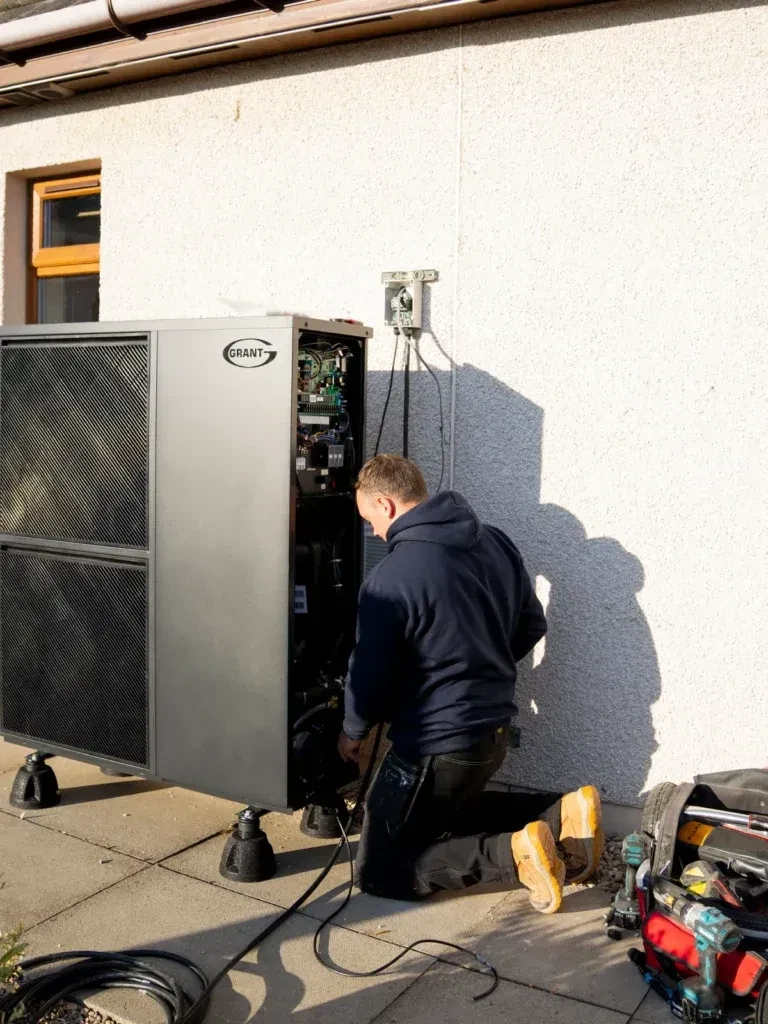
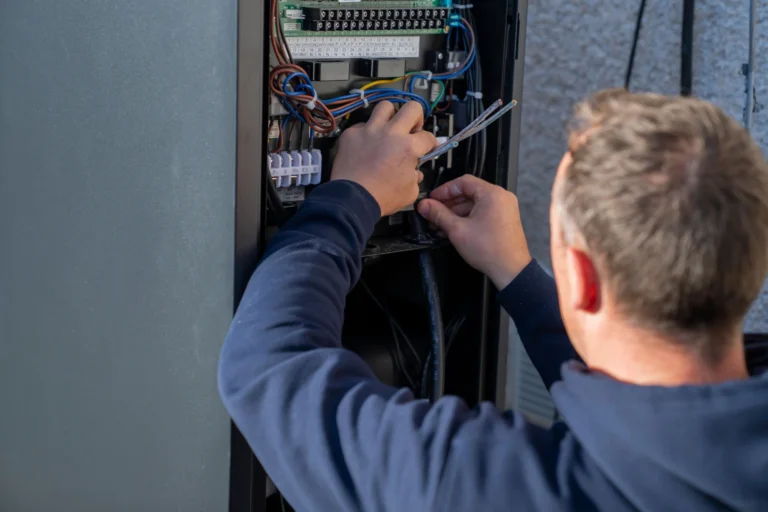
Do Heat Pumps Really Work in Freezing Elgin Winters?
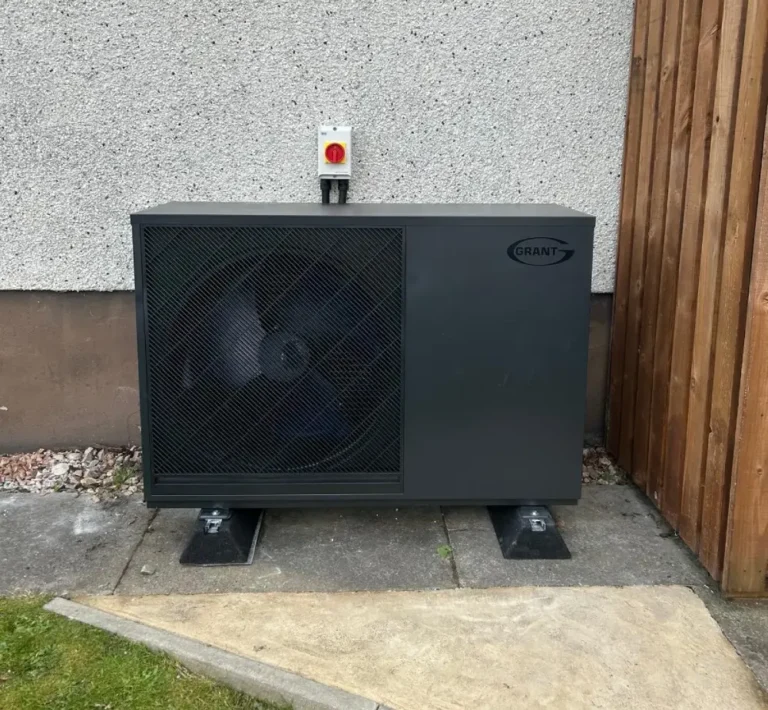
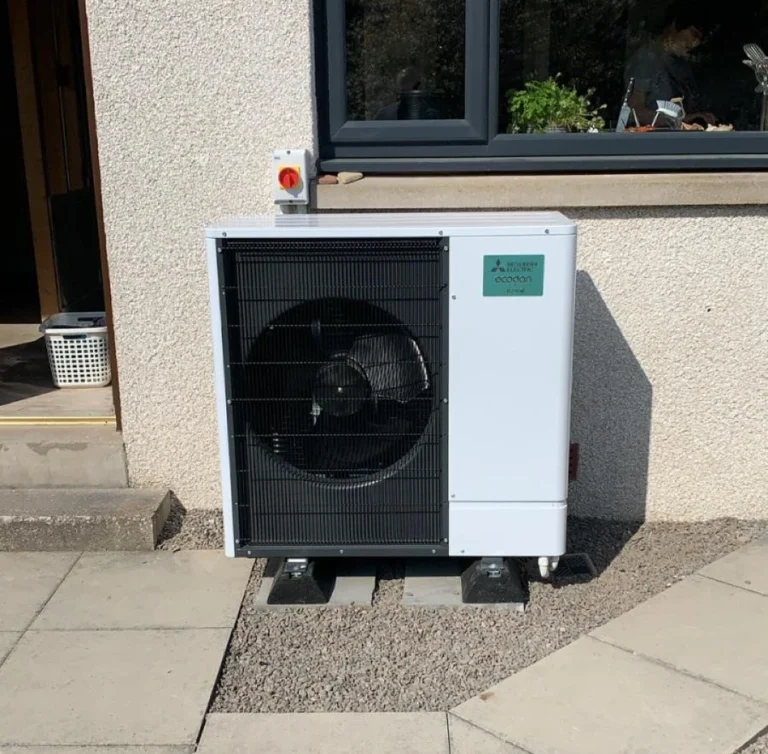
One of the most common questions homeowners ask when considering renewable heating is whether heat pumps can cope with freezing temperatures.

One of the most common questions homeowners ask when considering renewable heating is whether heat pumps can cope with freezing temperatures.

Many homeowners install a heat pump expecting it to operate like a traditional boiler. When the system behaves differently, it can cause confusion about how the heating should be used day to day.

Heat pumps are widely recognised as an efficient way to heat homes, but many homeowners are surprised to hear that running costs can vary significantly between systems.

Installing a heat pump is a long-term investment in your home’s heating system. Unlike replacing a standard boiler, heat pump systems require careful planning, detailed design and correct installation to perform efficiently.

Many homeowners living in older properties wonder whether a heat pump will work effectively in their home. This question is particularly common in areas like Elgin, where a large number of houses were built long before modern insulation standards existed.

For many homeowners considering renewable heating, the biggest question is not just whether a heat pump works well – it is how to pay for the installation.

When people discuss heat pump efficiency, the conversation often focuses on the equipment itself. However, the real factor that determines long-term running costs is not just the unit – it is the overall system design.

One of the most common questions homeowners ask before installing a heat pump is simple – what will it actually cost to run?

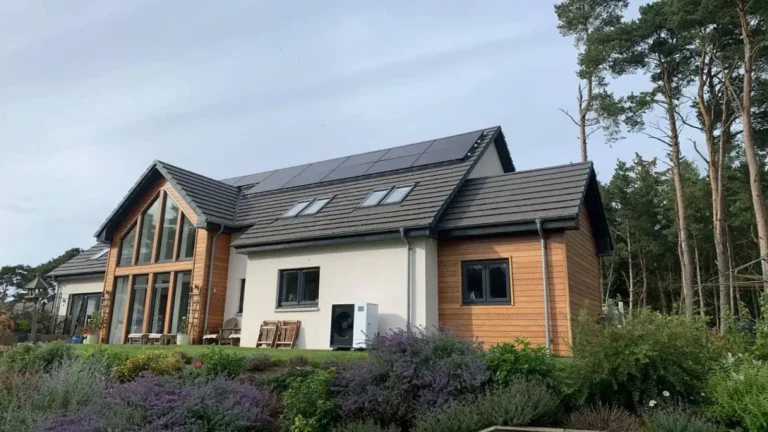
As more households explore low-carbon heating, solar panels and heat pumps are often discussed together. Many energy guides suggest that combining the two technologies can reduce electricity costs and make homes more energy independent.

As more households move towards renewable heating, electricity tariffs have become an important part of the conversation. Many energy providers now offer so-called smart tariffs that vary electricity prices depending on the time of day.
End of content
End of content