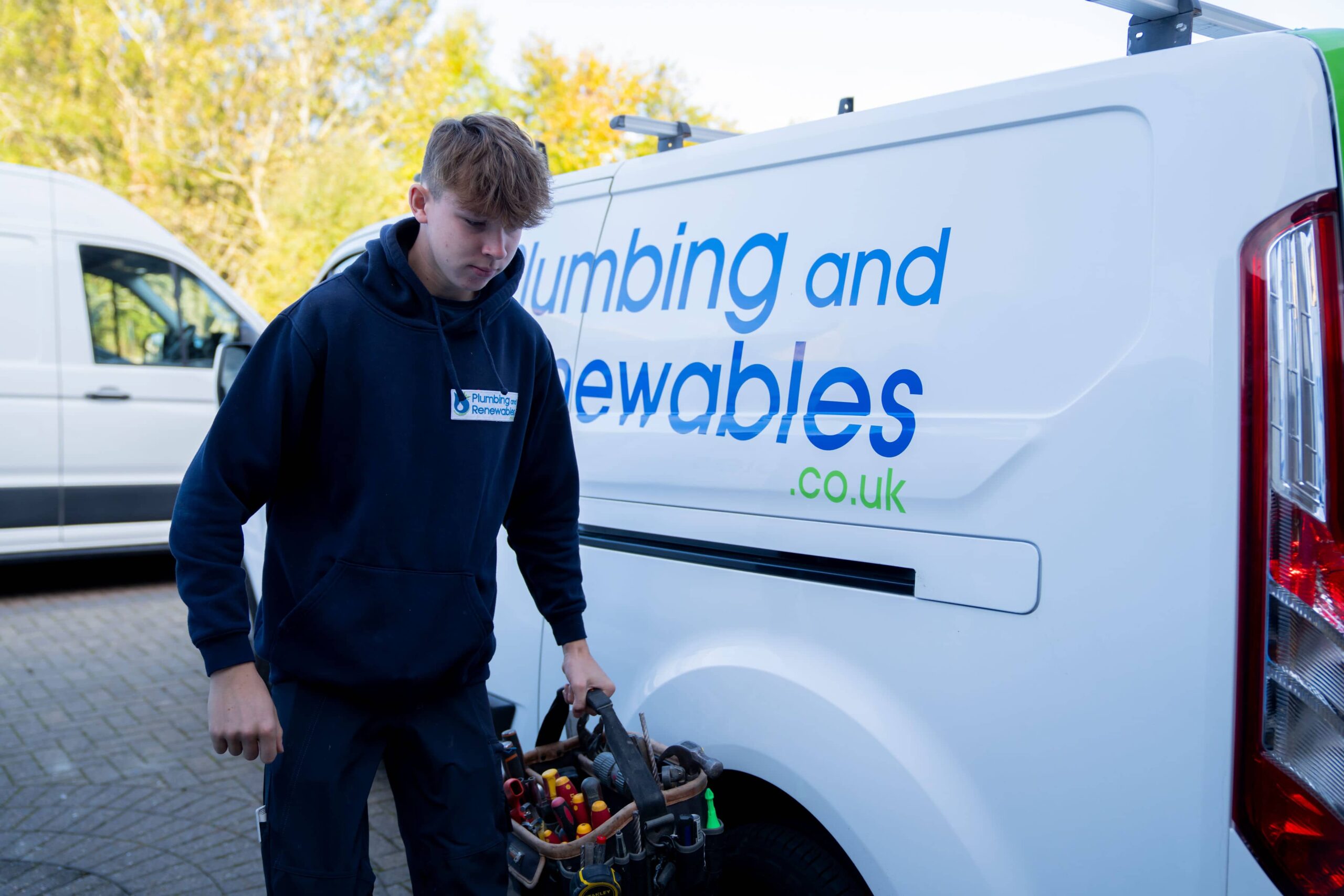

Is Your Elgin Home Ready for a Heat Pump Survey?
If you’re considering replacing your existing heating system with a heat pump, one of the most important steps comes long before installation day.

Why you can trust our content
We know the plumbing and renewable energy industry can feel overwhelming, especially with conflicting advice and outdated information online. That’s why we base everything we do on clarity, expertise, and trusted sources:


At a glance
A professional survey provides the information needed to design a heating system that matches your property, your lifestyle and your long-term expectations.
Many homeowners assume the survey is simply about measuring where the outdoor unit will sit. In reality, it’s a detailed assessment of how your home performs, how much heat it loses and what improvements, if any, may help the system operate efficiently.
If you’re exploring heat pump installation elgin, understanding what happens during this visit can help you prepare and avoid unexpected surprises later in the process.
If you’d like tailored advice before arranging a survey, contact the Plumbing & Renewables team. We’ll happily explain what to expect and answer any questions about your property.
Why is a home survey so important?
Every home behaves differently.
Even two neighbouring houses built to the same design may require different heating solutions because of improvements made over the years, differences in insulation, or simply how the occupants use the property.
Rather than relying on assumptions, the survey allows installers to collect accurate information including:
- Room sizes
- Construction materials
- Existing heating system
- Insulation levels
- Window types
- Hot water requirements
- Available outdoor space
These details allow the system to be designed specifically for your home instead of relying on estimates.
What happens during a heat pump survey?
A professional survey is much more detailed than many homeowners expect.
Rather than focusing on a single piece of equipment, the installer looks at how your entire home works as a heating system.
Typical areas assessed include:
- Heat loss from every room
- Current radiator sizes
- Pipework condition
- Hot water cylinder location
- Electrical supply
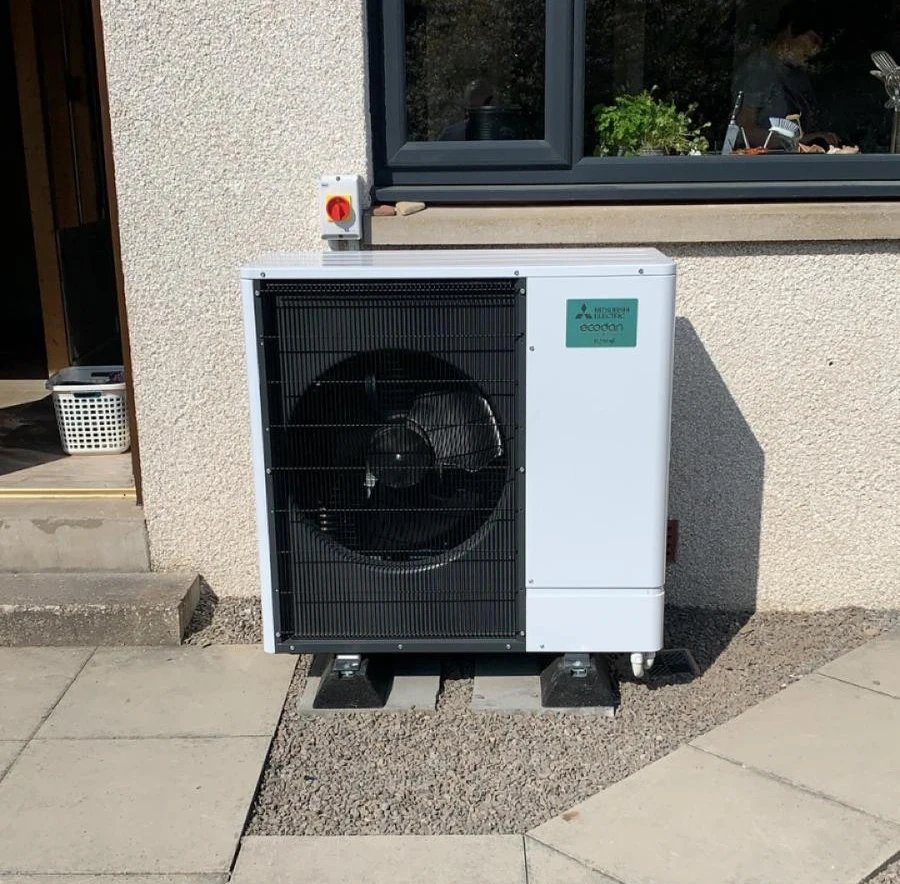
- Outdoor unit positioning
- Airflow around the property
- Access for installation
This information helps ensure the proposed air source heat pump elgin system is correctly sized from the beginning.
Why are heat loss calculations so important?
One of the biggest factors in a successful installation is understanding exactly how much heat your home requires.
Every room loses heat at a different rate depending on factors such as:
- External walls
- Window size
- Roof insulation
- Floor construction
- Ventilation
- Ceiling height
Rather than choosing a heat pump based purely on property size, professional heat loss calculations determine the heating demand for each individual room.
This approach helps avoid installing equipment that is either too large or too small.
Will the installer check my existing radiators?
Yes.
Heat pumps work differently from traditional oil or gas boilers.
Instead of producing very high water temperatures for short periods, they usually provide lower temperature heating over longer periods. Because of this, the installer will assess whether your existing radiators are capable of delivering enough heat.
They may recommend:
- Keeping the existing radiators
- Replacing selected radiators with larger models
- Upgrading pipework in certain areas
- Considering underfloor heating in specific rooms
These recommendations are based on calculations rather than guesswork.
Does insulation affect the survey?
Absolutely.
Although a home doesn’t need to be perfectly insulated before installing a heat pump, reducing unnecessary heat loss can improve overall efficiency.
During the survey the installer may discuss improvements such as:
- Loft insulation
- Draught-proofing
- Window upgrades
- Floor insulation where practical
Many older homes throughout Moray perform very well with heat pumps after relatively straightforward improvements.
Importantly, the survey isn’t about insisting every recommendation is completed before installation. Instead, it’s about helping homeowners understand where improvements could make the greatest difference over time.
Where could the outdoor unit be installed?
Choosing the right location involves much more than finding an empty wall.
The installer will consider:
- Airflow around the unit
- Ease of maintenance
- Distance to indoor equipment
- Visual appearance
- Noise considerations
- Safe access for engineers
Modern heat pumps are generally very quiet, producing sound levels comparable to gentle background airflow. Correct positioning during the design stage helps minimise any potential disturbance while ensuring efficient operation.
Which option best describes your home?
It just takes 2 minutes
And then you can book a free consultation
How does your lifestyle influence the survey?
A good survey doesn’t only assess the building.
It also considers how you use your home.
For example:
- Do you work from home?
- How many people live in the property?
- How much hot water is used each day?
- Do you prefer a consistently warm home?
- Are there rooms that are rarely used?
These conversations help ensure the heating system suits your daily routine rather than simply meeting technical requirements.
Should you prepare anything before the survey?
While there is no need to make major changes before your appointment, a little preparation can help the survey run smoothly and ensure the installer has access to the areas they need to inspect.
Simple steps include:
- Ensuring access to the boiler, hot water cylinder or plant room
- Clearing access to the loft hatch if possible
- Unlocking any side gates that lead to the rear of the property
- Making a note of any heating issues you’ve experienced
- Preparing questions about running costs, funding or installation timescales
The more information you can provide, the easier it is for the installer to recommend the most suitable solution for your home.
If you would like expert guidance before arranging a survey, speak to the Plumbing & Renewables team. We can explain the process and help you understand what information will be most useful during the visit.
A typical survey example
Imagine a detached family home on the outskirts of Elgin with an ageing oil boiler and a mixture of older and newer radiators.
During the survey, the installer carries out a room-by-room heat loss calculation, checks the insulation levels, measures the existing radiators and identifies a suitable location for the outdoor unit. The assessment also confirms that the electrical supply is suitable and highlights a small number of radiator upgrades that would improve efficiency.
Rather than recommending unnecessary work, the survey provides a clear picture of what is required to achieve a comfortable, efficient heating system. This detailed planning helps ensure heat pump installation elgin projects are completed with fewer unexpected changes during installation.
What information will you receive after the survey?
A professional survey should give you confidence in the proposed system.
Depending on your property, you may receive information covering:
| Survey Outcome | Why It Matters |
| Heat loss calculations | Ensures the system is correctly sized |
| Recommended heat pump capacity | Matches your home’s heating demand |
| Radiator recommendations | Identifies whether upgrades are required |
| Outdoor unit location | Confirms the best position for performance and access |
| Installation proposal | Explains the scope of work |
| Estimated costs | Helps you plan your budget |
A thorough survey allows every recommendation to be based on evidence rather than assumptions.
Why does careful planning lead to better installations?
Successful heat pump installations begin long before any equipment arrives.
Taking time to understand your home’s construction, heating requirements and lifestyle helps reduce the likelihood of unexpected costs or performance issues later on.
Professional planning also helps homeowners understand how their new heating system will operate. Heat pumps work differently from traditional boilers, providing steady, consistent warmth rather than short bursts of high-temperature heat. Discussing this during the survey helps set realistic expectations and allows you to get the best performance from your system.
As you continue researching air source heat pump elgin, remember that a comprehensive survey is one of the most valuable parts of the entire process.
Final thoughts
A heat pump survey is far more than a simple site visit. It provides the information needed to design a heating system that suits your home, your lifestyle and your future energy needs.
From heat loss calculations and radiator assessments to outdoor unit positioning and insulation checks, every part of the survey helps create a system that delivers reliable comfort and efficient performance for years to come.
If you’re considering heat pump installation elgin, arranging a professional survey is one of the best ways to move forward with confidence.
To discuss your property or arrange a professional home survey, contact the Plumbing & Renewables team. We’ll provide honest, practical advice and help you understand the options available for your home.
Related articles

Which option best describes your home?
At a glance
A professional survey provides the information needed to design a heating system that matches your property, your lifestyle and your long-term expectations.
Many homeowners assume the survey is simply about measuring where the outdoor unit will sit. In reality, it’s a detailed assessment of how your home performs, how much heat it loses and what improvements, if any, may help the system operate efficiently.
If you’re exploring heat pump installation elgin, understanding what happens during this visit can help you prepare and avoid unexpected surprises later in the process.
If you’d like tailored advice before arranging a survey, contact the Plumbing & Renewables team. We’ll happily explain what to expect and answer any questions about your property.
Why is a home survey so important?
Every home behaves differently.
Even two neighbouring houses built to the same design may require different heating solutions because of improvements made over the years, differences in insulation, or simply how the occupants use the property.
Rather than relying on assumptions, the survey allows installers to collect accurate information including:
- Room sizes
- Construction materials
- Existing heating system
- Insulation levels
- Window types
- Hot water requirements
- Available outdoor space
These details allow the system to be designed specifically for your home instead of relying on estimates.
What happens during a heat pump survey?
A professional survey is much more detailed than many homeowners expect.
Rather than focusing on a single piece of equipment, the installer looks at how your entire home works as a heating system.
Typical areas assessed include:
- Heat loss from every room
- Current radiator sizes
- Pipework condition
- Hot water cylinder location
- Electrical supply
- Outdoor unit positioning
- Airflow around the property
- Access for installation
This information helps ensure the proposed air source heat pump elgin system is correctly sized from the beginning.
Why are heat loss calculations so important?
One of the biggest factors in a successful installation is understanding exactly how much heat your home requires.
Every room loses heat at a different rate depending on factors such as:
- External walls
- Window size
- Roof insulation
- Floor construction
- Ventilation
- Ceiling height
Rather than choosing a heat pump based purely on property size, professional heat loss calculations determine the heating demand for each individual room.
This approach helps avoid installing equipment that is either too large or too small.
Will the installer check my existing radiators?
Yes.
Heat pumps work differently from traditional oil or gas boilers.
Instead of producing very high water temperatures for short periods, they usually provide lower temperature heating over longer periods. Because of this, the installer will assess whether your existing radiators are capable of delivering enough heat.
They may recommend:
- Keeping the existing radiators
- Replacing selected radiators with larger models
- Upgrading pipework in certain areas
- Considering underfloor heating in specific rooms
These recommendations are based on calculations rather than guesswork.
Does insulation affect the survey?
Absolutely.
Although a home doesn’t need to be perfectly insulated before installing a heat pump, reducing unnecessary heat loss can improve overall efficiency.
During the survey the installer may discuss improvements such as:
- Loft insulation
- Draught-proofing
- Window upgrades
- Floor insulation where practical
Many older homes throughout Moray perform very well with heat pumps after relatively straightforward improvements.
Importantly, the survey isn’t about insisting every recommendation is completed before installation. Instead, it’s about helping homeowners understand where improvements could make the greatest difference over time.
Where could the outdoor unit be installed?
Choosing the right location involves much more than finding an empty wall.
The installer will consider:
- Airflow around the unit
- Ease of maintenance
- Distance to indoor equipment
- Visual appearance
- Noise considerations
- Safe access for engineers
Modern heat pumps are generally very quiet, producing sound levels comparable to gentle background airflow. Correct positioning during the design stage helps minimise any potential disturbance while ensuring efficient operation.
Which option best describes your home?
It just takes 2 minutes
And then you can book a free consultation
How does your lifestyle influence the survey?
A good survey doesn’t only assess the building.
It also considers how you use your home.
For example:
- Do you work from home?
- How many people live in the property?
- How much hot water is used each day?
- Do you prefer a consistently warm home?
- Are there rooms that are rarely used?
These conversations help ensure the heating system suits your daily routine rather than simply meeting technical requirements.
Should you prepare anything before the survey?
While there is no need to make major changes before your appointment, a little preparation can help the survey run smoothly and ensure the installer has access to the areas they need to inspect.
Simple steps include:
- Ensuring access to the boiler, hot water cylinder or plant room
- Clearing access to the loft hatch if possible
- Unlocking any side gates that lead to the rear of the property
- Making a note of any heating issues you’ve experienced
- Preparing questions about running costs, funding or installation timescales
The more information you can provide, the easier it is for the installer to recommend the most suitable solution for your home.
If you would like expert guidance before arranging a survey, speak to the Plumbing & Renewables team. We can explain the process and help you understand what information will be most useful during the visit.
A typical survey example
Imagine a detached family home on the outskirts of Elgin with an ageing oil boiler and a mixture of older and newer radiators.
During the survey, the installer carries out a room-by-room heat loss calculation, checks the insulation levels, measures the existing radiators and identifies a suitable location for the outdoor unit. The assessment also confirms that the electrical supply is suitable and highlights a small number of radiator upgrades that would improve efficiency.
Rather than recommending unnecessary work, the survey provides a clear picture of what is required to achieve a comfortable, efficient heating system. This detailed planning helps ensure heat pump installation elgin projects are completed with fewer unexpected changes during installation.
What information will you receive after the survey?
A professional survey should give you confidence in the proposed system.
Depending on your property, you may receive information covering:
| Survey Outcome | Why It Matters |
| Heat loss calculations | Ensures the system is correctly sized |
| Recommended heat pump capacity | Matches your home’s heating demand |
| Radiator recommendations | Identifies whether upgrades are required |
| Outdoor unit location | Confirms the best position for performance and access |
| Installation proposal | Explains the scope of work |
| Estimated costs | Helps you plan your budget |
A thorough survey allows every recommendation to be based on evidence rather than assumptions.
Why does careful planning lead to better installations?
Successful heat pump installations begin long before any equipment arrives.
Taking time to understand your home’s construction, heating requirements and lifestyle helps reduce the likelihood of unexpected costs or performance issues later on.
Professional planning also helps homeowners understand how their new heating system will operate. Heat pumps work differently from traditional boilers, providing steady, consistent warmth rather than short bursts of high-temperature heat. Discussing this during the survey helps set realistic expectations and allows you to get the best performance from your system.
As you continue researching air source heat pump elgin, remember that a comprehensive survey is one of the most valuable parts of the entire process.
Final thoughts
A heat pump survey is far more than a simple site visit. It provides the information needed to design a heating system that suits your home, your lifestyle and your future energy needs.
From heat loss calculations and radiator assessments to outdoor unit positioning and insulation checks, every part of the survey helps create a system that delivers reliable comfort and efficient performance for years to come.
If you’re considering heat pump installation elgin, arranging a professional survey is one of the best ways to move forward with confidence.
To discuss your property or arrange a professional home survey, contact the Plumbing & Renewables team. We’ll provide honest, practical advice and help you understand the options available for your home.