
Finding a Heat Pump Specialist Who Explains Full Conversion Pricing in Elgin
Looking at heat pump prices in Elgin? Learn how a specialist should explain full oil-to-ASHP conversion pricing, including design, upgrades and installation.

Why you can trust our content
We know the plumbing and renewable energy industry can feel overwhelming, especially with conflicting advice and outdated information online. That’s why we base everything we do on clarity, expertise, and trusted sources:


At a glance
Replacing an oil boiler with an air source heat pump is a significant change to how a home is heated. For homeowners in Elgin, understanding the price is not simply about finding a single figure online. The final cost depends on the property, heat demand, existing heating system, required upgrades and the way the new system is designed.
A good heat pump specialist should therefore do more than provide a headline figure. They should explain what the price covers, what may need changing and why particular parts of the installation are included. This makes it much easier to compare quotations and understand what you are actually paying for.
Why does full conversion pricing matter when replacing an oil boiler?
An oil boiler and an air source heat pump operate differently, so an oil-to-ASHP project is not always a straightforward boiler replacement.
An existing oil heating system may already have radiators, pipework, a hot water cylinder and controls in place. However, these components need to be assessed to determine whether they are suitable for heat pump operation.
A transparent quotation should therefore reflect the actual requirements of the property rather than simply listing the price of a heat pump unit.
For example, the project could involve:
- Heat-loss calculations
- An appropriately sized heat pump
- Radiator assessment or replacement
- Pipework checks and modifications
- A suitable hot water cylinder
- Controls and thermostats
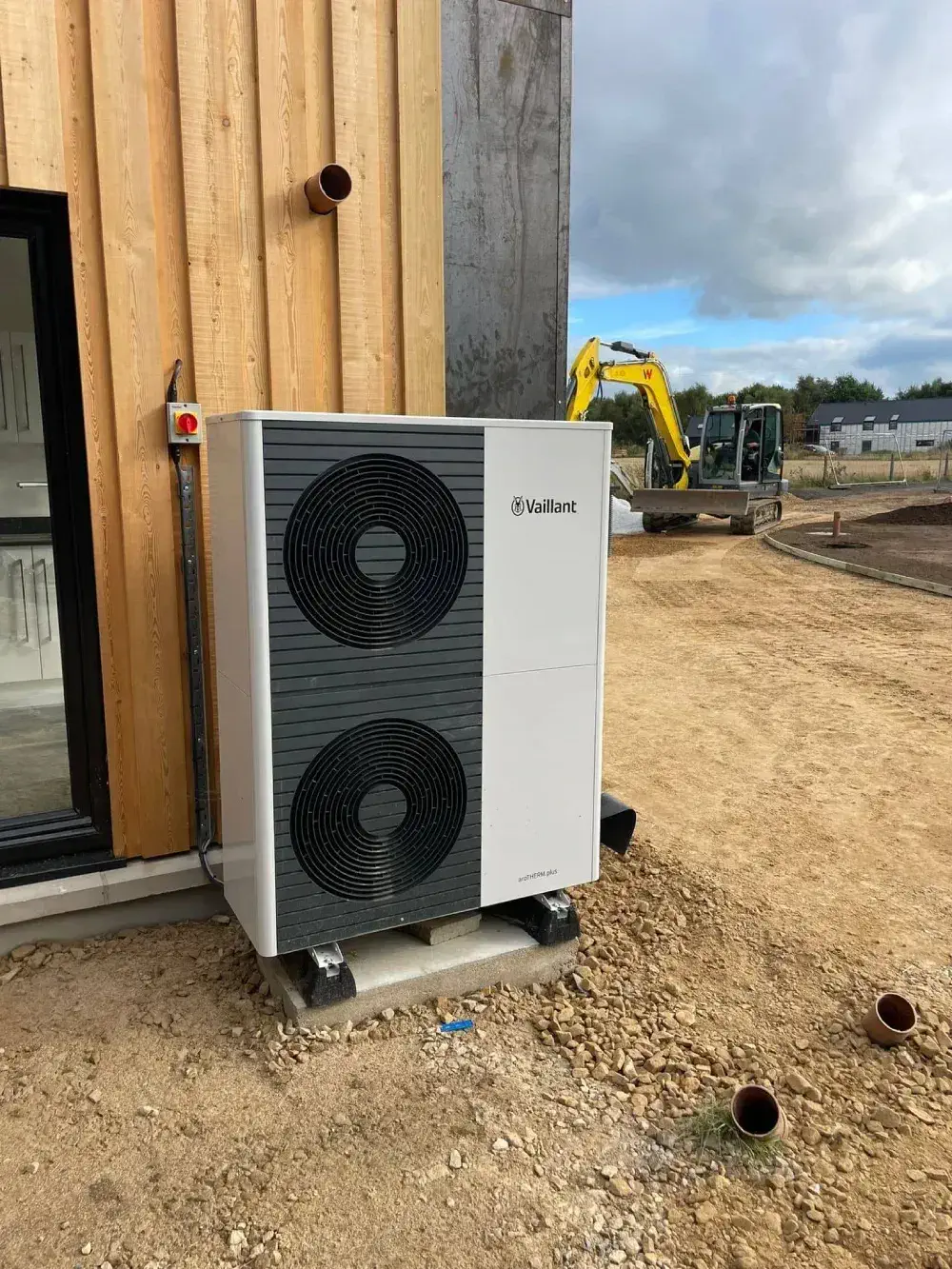
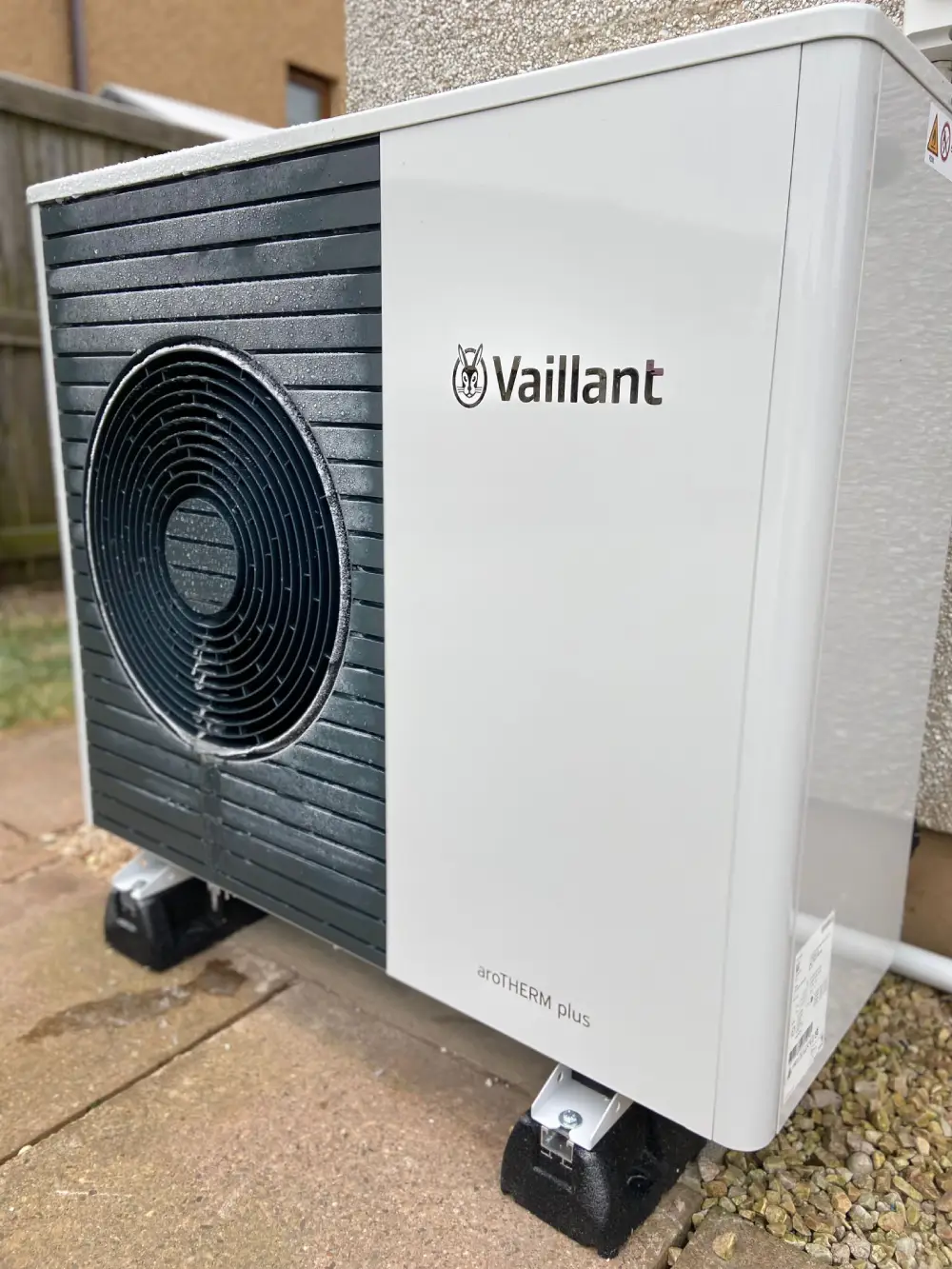
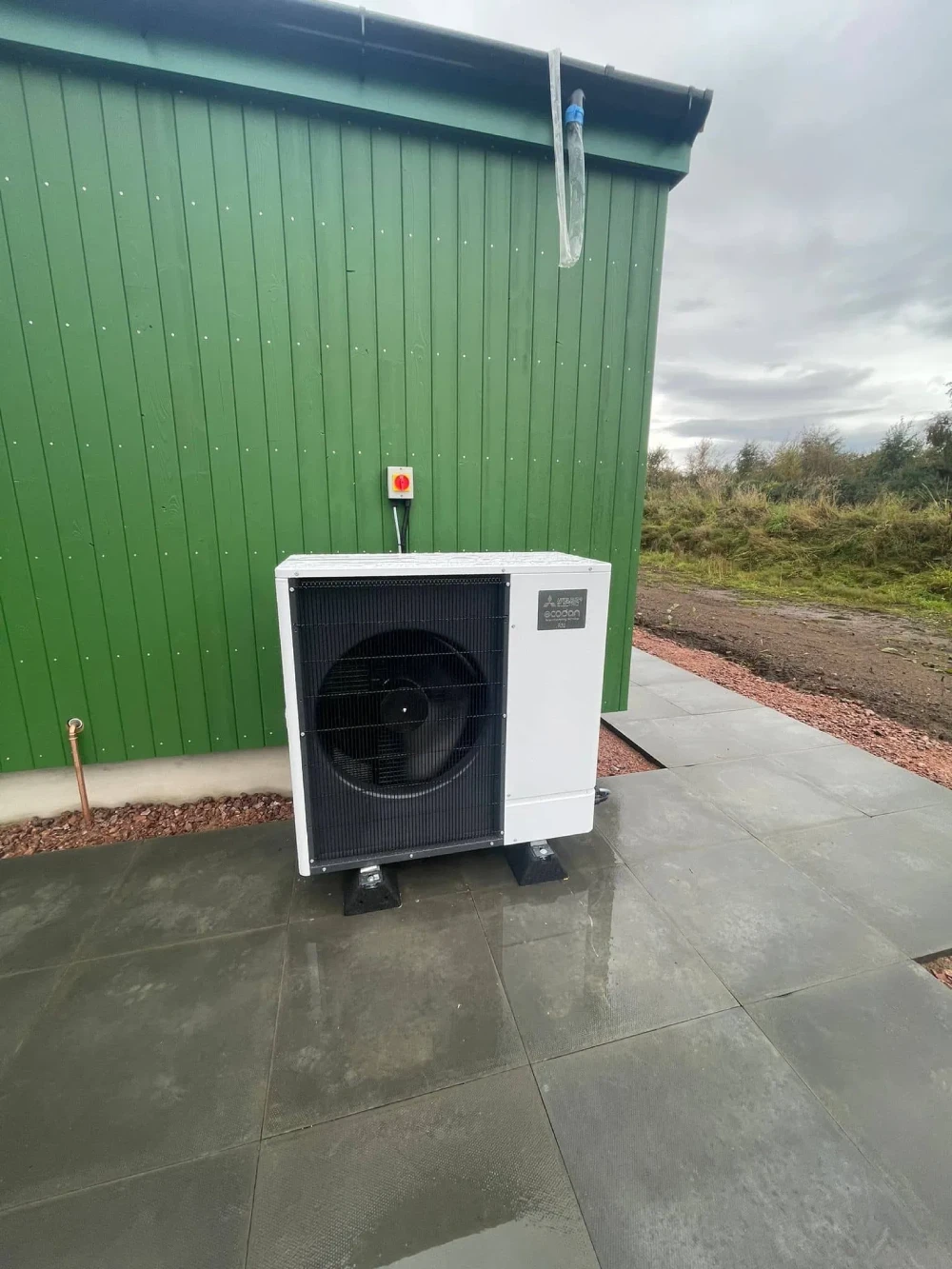
- Outdoor unit installation
- Electrical work
- Removal of existing oil heating equipment
- System flushing and commissioning
- Handover documentation and warranties
When these elements are clearly explained, homeowners can understand how the final figure has been reached.
Planning an oil-to-ASHP conversion? Plumbing & Renewables can assess the existing heating system and explain the main components that may affect the installation.
What should a specialist explain about the cost for heat pump installation?
The phrase cost for heat pump installation can mean very different things depending on what is included.
A specialist should explain whether the quoted figure covers the complete installation or only the main heat pump equipment. A low headline price may not represent the final project cost if essential upgrades are excluded.
Ask whether the quotation covers:
| Cost area | What should be explained? |
|---|---|
| Heat pump | Make, model, output and included equipment |
| System design | Heat-loss assessment and sizing approach |
| Radiators | Whether existing radiators are suitable |
| Pipework | Any required alterations or upgrades |
| Hot water | Cylinder suitability and replacement requirements |
| Outdoor unit | Mounting, positioning and associated work |
| Electrical | Consumer unit, cabling or other electrical requirements |
| Oil equipment | Boiler and oil tank removal, where applicable |
| Installation | Labour and associated installation work |
| Commissioning | Testing, balancing and system setup |
| Documentation | Warranties, commissioning records and relevant certificates |
The important point is not simply the total figure. It is whether the specialist can explain how each part relates to the property.
How can you tell whether heat pump prices are genuinely comparable?
Comparing heat pump prices becomes difficult when two quotations cover different scopes of work.
One installer may include radiator upgrades and oil tank removal, while another may exclude them. One quotation might include a new hot water cylinder, while another assumes the existing cylinder can remain.
This is why comparing the total figure alone can be misleading.
Instead, place quotations side by side and check:
- The heat pump make and model
- The proposed system capacity
- The heat-loss calculation
- Radiator requirements
- Pipework work
- Hot water arrangements
- Electrical requirements
- Outdoor unit installation
- Removal of existing oil equipment
- Commissioning and handover
- Warranty information
- Any exclusions or provisional costs
A specialist who takes time to explain these differences can make the quotation much easier to understand.
What property checks can change the final conversion price?
Every property has its own requirements. Two homes with similar floor areas can still need different heat pump systems and installation work.
The specialist may need to consider the age and construction of the property, insulation levels, room sizes, existing radiators, pipework routes and hot water requirements.
The location of the outdoor unit can also affect installation. Access, mounting arrangements, pipe routes and electrical connections all need to be considered.
For an oil-heated property, there is also the question of what happens to the existing boiler and oil tank. Removal may form part of the project, but it should be clearly stated in the quotation rather than assumed.
This property-specific approach is one reason an experienced heat pump specialist should explain the quotation rather than simply sending a figure.
Should radiator and pipework changes be included in the explanation?
Yes. Radiators and pipework can be particularly important when converting from an oil boiler to an air source heat pump.
Heat pumps generally operate at lower flow temperatures than many traditional boiler systems. Existing radiators may therefore need to be assessed to determine whether they can provide sufficient heat under the proposed operating conditions.
That does not automatically mean every radiator needs replacing.
A room-by-room heat-loss calculation can help establish which radiators are suitable and whether particular rooms require larger emitters. Pipework should also be checked for condition, sizing and circulation requirements.
A clear quotation should explain which components are staying, which are being changed and why.
Need clarity before comparing quotations? Ask the installer to explain any proposed radiator, pipework or hot water changes in relation to the property’s heat demand rather than treating them as generic upgrades.
What questions should you ask a heat pump specialist about pricing?
Before accepting a quotation, homeowners can ask several straightforward questions.
1. What is the system being sized from?
Ask whether the proposed heat pump has been selected using a room-by-room heat-loss calculation.
2. What is included in the installation price?
Check whether labour, materials, commissioning, electrical work and associated installation tasks are included.
3. Are any existing components being reused?
Ask specifically about radiators, pipework, hot water cylinders, controls and electrical equipment.
4. Is oil boiler and tank removal included?
If existing equipment is being removed, confirm whether this forms part of the quoted scope.
5. What could cause the price to change?
A reputable specialist should explain any assumptions, exclusions or circumstances that could result in additional work.
6. What happens if something changes during installation?
Ask how variations are handled and whether additional work will be discussed and agreed before it is carried out.
These questions can reveal much more about a quotation than the headline price alone.
How should a transparent heat pump quotation be structured?
A useful quotation should make it possible to understand the project without having to guess what individual figures mean.
Ideally, the document should distinguish between equipment, installation work and any property-specific alterations.
For example, it may show:
- Heat pump equipment
- Cylinder and controls
- Radiator or emitter changes
- Pipework alterations
- Electrical work
- Outdoor unit installation
- Oil boiler and tank removal
- Labour
- Commissioning
- Optional or provisional items
- Exclusions
This structure helps homeowners identify whether two quotations are genuinely offering the same scope.
It also provides a useful reference if questions arise later.
Why does the design process matter as much as the equipment price?
A heat pump system needs to be designed around the property’s heat demand. Choosing equipment simply because it has a particular output or because it appears on a lower-priced quotation does not explain whether it is appropriate for the home.
The design should consider heat loss, operating temperatures, emitter capacity, hot water demand, controls and the wider heating system.
This is particularly important when moving away from oil heating because the existing boiler’s output does not necessarily tell you what size heat pump the property requires.
A specialist should be able to explain the design logic in straightforward language. You do not need to understand every technical calculation, but you should understand why the proposed system and associated work have been specified.
What should happen after the price has been agreed?
Pricing transparency should continue beyond the quotation stage.
Once the installation is booked, the agreed scope should provide a clear reference for the work. If an unexpected issue is discovered, the installer should explain what has changed and why additional work may be required.
After installation, commissioning is also important. The system should be checked and configured correctly rather than simply switched on and left running.
The homeowner should also receive relevant documentation, operating information and warranty details.
This helps make the transition from an oil boiler to an ASHP more straightforward and gives the homeowner a clearer understanding of the new heating system.
Finding a specialist who explains the whole picture
When researching a heat pump specialist in Elgin, look beyond the initial figure. A transparent installer should be willing to explain how the system has been designed, what work is included and which existing heating components can remain.
The most useful quotation is one that gives you enough information to understand the complete project rather than leaving important costs unclear.
For homeowners planning an oil-to-ASHP conversion, Plumbing & Renewables can explain the different stages of the project, from assessing the existing heating system through to installation and commissioning. A clear conversation at the quotation stage can help you understand what is being proposed and why.
Conclusion: Look for clarity, not just a headline price
Understanding heat pump prices is much easier when the quotation is supported by a clear explanation of the work involved. The right questions cover system design, heat loss, radiators, pipework, hot water, electrical requirements, outdoor installation, oil equipment removal and commissioning.
Rather than focusing only on the lowest figure, look at what each quotation actually includes and whether the specialist can explain the assumptions behind it.
A properly explained quotation gives you a clearer basis for making your own decision and helps avoid unexpected costs later.
Related articles

Which option best describes your home?
At a glance
Replacing an oil boiler with an air source heat pump is a significant change to how a home is heated. For homeowners in Elgin, understanding the price is not simply about finding a single figure online. The final cost depends on the property, heat demand, existing heating system, required upgrades and the way the new system is designed.
A good heat pump specialist should therefore do more than provide a headline figure. They should explain what the price covers, what may need changing and why particular parts of the installation are included. This makes it much easier to compare quotations and understand what you are actually paying for.
Why does full conversion pricing matter when replacing an oil boiler?
An oil boiler and an air source heat pump operate differently, so an oil-to-ASHP project is not always a straightforward boiler replacement.
An existing oil heating system may already have radiators, pipework, a hot water cylinder and controls in place. However, these components need to be assessed to determine whether they are suitable for heat pump operation.
A transparent quotation should therefore reflect the actual requirements of the property rather than simply listing the price of a heat pump unit.
For example, the project could involve:
- Heat-loss calculations
- An appropriately sized heat pump
- Radiator assessment or replacement
- Pipework checks and modifications
- A suitable hot water cylinder
- Controls and thermostats
- Outdoor unit installation
- Electrical work
- Removal of existing oil heating equipment
- System flushing and commissioning
- Handover documentation and warranties
When these elements are clearly explained, homeowners can understand how the final figure has been reached.
Planning an oil-to-ASHP conversion? Plumbing & Renewables can assess the existing heating system and explain the main components that may affect the installation.
What should a specialist explain about the cost for heat pump installation?
The phrase cost for heat pump installation can mean very different things depending on what is included.
A specialist should explain whether the quoted figure covers the complete installation or only the main heat pump equipment. A low headline price may not represent the final project cost if essential upgrades are excluded.
Ask whether the quotation covers:
| Cost area | What should be explained? |
|---|---|
| Heat pump | Make, model, output and included equipment |
| System design | Heat-loss assessment and sizing approach |
| Radiators | Whether existing radiators are suitable |
| Pipework | Any required alterations or upgrades |
| Hot water | Cylinder suitability and replacement requirements |
| Outdoor unit | Mounting, positioning and associated work |
| Electrical | Consumer unit, cabling or other electrical requirements |
| Oil equipment | Boiler and oil tank removal, where applicable |
| Installation | Labour and associated installation work |
| Commissioning | Testing, balancing and system setup |
| Documentation | Warranties, commissioning records and relevant certificates |
The important point is not simply the total figure. It is whether the specialist can explain how each part relates to the property.
How can you tell whether heat pump prices are genuinely comparable?
Comparing heat pump prices becomes difficult when two quotations cover different scopes of work.
One installer may include radiator upgrades and oil tank removal, while another may exclude them. One quotation might include a new hot water cylinder, while another assumes the existing cylinder can remain.
This is why comparing the total figure alone can be misleading.
Instead, place quotations side by side and check:
- The heat pump make and model
- The proposed system capacity
- The heat-loss calculation
- Radiator requirements
- Pipework work
- Hot water arrangements
- Electrical requirements
- Outdoor unit installation
- Removal of existing oil equipment
- Commissioning and handover
- Warranty information
- Any exclusions or provisional costs
A specialist who takes time to explain these differences can make the quotation much easier to understand.
What property checks can change the final conversion price?
Every property has its own requirements. Two homes with similar floor areas can still need different heat pump systems and installation work.
The specialist may need to consider the age and construction of the property, insulation levels, room sizes, existing radiators, pipework routes and hot water requirements.
The location of the outdoor unit can also affect installation. Access, mounting arrangements, pipe routes and electrical connections all need to be considered.
For an oil-heated property, there is also the question of what happens to the existing boiler and oil tank. Removal may form part of the project, but it should be clearly stated in the quotation rather than assumed.
This property-specific approach is one reason an experienced heat pump specialist should explain the quotation rather than simply sending a figure.
Should radiator and pipework changes be included in the explanation?
Yes. Radiators and pipework can be particularly important when converting from an oil boiler to an air source heat pump.
Heat pumps generally operate at lower flow temperatures than many traditional boiler systems. Existing radiators may therefore need to be assessed to determine whether they can provide sufficient heat under the proposed operating conditions.
That does not automatically mean every radiator needs replacing.
A room-by-room heat-loss calculation can help establish which radiators are suitable and whether particular rooms require larger emitters. Pipework should also be checked for condition, sizing and circulation requirements.
A clear quotation should explain which components are staying, which are being changed and why.
Need clarity before comparing quotations? Ask the installer to explain any proposed radiator, pipework or hot water changes in relation to the property’s heat demand rather than treating them as generic upgrades.
What questions should you ask a heat pump specialist about pricing?
Before accepting a quotation, homeowners can ask several straightforward questions.
1. What is the system being sized from?
Ask whether the proposed heat pump has been selected using a room-by-room heat-loss calculation.
2. What is included in the installation price?
Check whether labour, materials, commissioning, electrical work and associated installation tasks are included.
3. Are any existing components being reused?
Ask specifically about radiators, pipework, hot water cylinders, controls and electrical equipment.
4. Is oil boiler and tank removal included?
If existing equipment is being removed, confirm whether this forms part of the quoted scope.
5. What could cause the price to change?
A reputable specialist should explain any assumptions, exclusions or circumstances that could result in additional work.
6. What happens if something changes during installation?
Ask how variations are handled and whether additional work will be discussed and agreed before it is carried out.
These questions can reveal much more about a quotation than the headline price alone.
How should a transparent heat pump quotation be structured?
A useful quotation should make it possible to understand the project without having to guess what individual figures mean.
Ideally, the document should distinguish between equipment, installation work and any property-specific alterations.
For example, it may show:
- Heat pump equipment
- Cylinder and controls
- Radiator or emitter changes
- Pipework alterations
- Electrical work
- Outdoor unit installation
- Oil boiler and tank removal
- Labour
- Commissioning
- Optional or provisional items
- Exclusions
This structure helps homeowners identify whether two quotations are genuinely offering the same scope.
It also provides a useful reference if questions arise later.
Why does the design process matter as much as the equipment price?
A heat pump system needs to be designed around the property’s heat demand. Choosing equipment simply because it has a particular output or because it appears on a lower-priced quotation does not explain whether it is appropriate for the home.
The design should consider heat loss, operating temperatures, emitter capacity, hot water demand, controls and the wider heating system.
This is particularly important when moving away from oil heating because the existing boiler’s output does not necessarily tell you what size heat pump the property requires.
A specialist should be able to explain the design logic in straightforward language. You do not need to understand every technical calculation, but you should understand why the proposed system and associated work have been specified.
What should happen after the price has been agreed?
Pricing transparency should continue beyond the quotation stage.
Once the installation is booked, the agreed scope should provide a clear reference for the work. If an unexpected issue is discovered, the installer should explain what has changed and why additional work may be required.
After installation, commissioning is also important. The system should be checked and configured correctly rather than simply switched on and left running.
The homeowner should also receive relevant documentation, operating information and warranty details.
This helps make the transition from an oil boiler to an ASHP more straightforward and gives the homeowner a clearer understanding of the new heating system.
Finding a specialist who explains the whole picture
When researching a heat pump specialist in Elgin, look beyond the initial figure. A transparent installer should be willing to explain how the system has been designed, what work is included and which existing heating components can remain.
The most useful quotation is one that gives you enough information to understand the complete project rather than leaving important costs unclear.
For homeowners planning an oil-to-ASHP conversion, Plumbing & Renewables can explain the different stages of the project, from assessing the existing heating system through to installation and commissioning. A clear conversation at the quotation stage can help you understand what is being proposed and why.
Conclusion: Look for clarity, not just a headline price
Understanding heat pump prices is much easier when the quotation is supported by a clear explanation of the work involved. The right questions cover system design, heat loss, radiators, pipework, hot water, electrical requirements, outdoor installation, oil equipment removal and commissioning.
Rather than focusing only on the lowest figure, look at what each quotation actually includes and whether the specialist can explain the assumptions behind it.
A properly explained quotation gives you a clearer basis for making your own decision and helps avoid unexpected costs later.
Conclusion: Look for clarity, not just a headline price
Understanding heat pump prices is much easier when the quotation is supported by a clear explanation of the work involved. The right questions cover system design, heat loss, radiators, pipework, hot water, electrical requirements, outdoor installation, oil equipment removal and commissioning.
Rather than focusing only on the lowest figure, look at what each quotation actually includes and whether the specialist can explain the assumptions behind it.
A properly explained quotation gives you a clearer basis for making your own decision and helps avoid unexpected costs later.