

Heat Pumps and Smart Tariffs: How to Cut Running Costs
Running costs are one of the first things homeowners think about when considering renewable heating.

Why you can trust our content
We know the plumbing and renewable energy industry can feel overwhelming, especially with conflicting advice and outdated information online. That’s why we base everything we do on clarity, expertise, and trusted sources:


At a glance
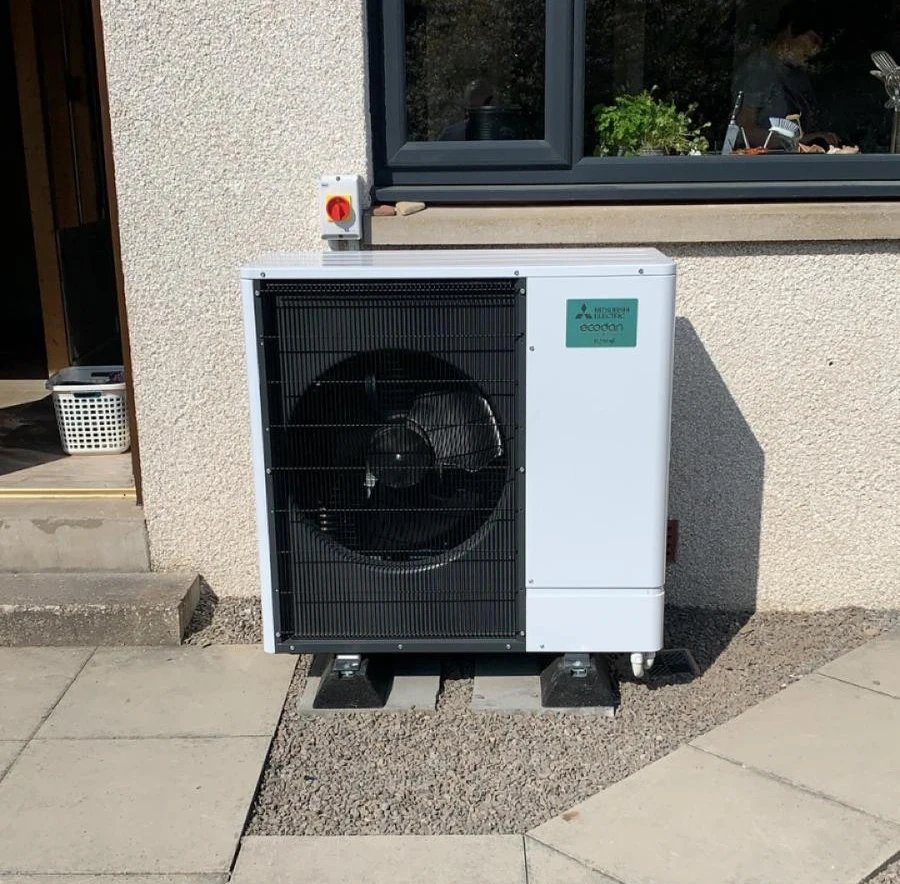
While heat pumps are known for their efficiency, electricity prices can vary throughout the day, which means the way the system is used can influence overall costs.
This is where smart electricity tariffs come into the conversation. Many modern tariffs offer cheaper electricity at certain times, allowing households to use energy when it costs less.
For homeowners researching heat pump cost elgin, understanding how smart tariffs work alongside modern heating systems can make a noticeable difference to long term running costs.
What Is a Smart Electricity Tariff?
A smart electricity tariff is a pricing structure where the cost of electricity changes depending on the time of day.
Instead of paying the same price all day, households can take advantage of cheaper periods when electricity demand is lower.
Common features of smart tariffs include:
- lower prices during overnight hours
- higher prices during peak evening demand
- real time electricity usage tracking
- smart meter integration
These tariffs are becoming increasingly popular as the UK energy grid adapts to renewable electricity generation.
How Do Heat Pumps Benefit From Smart Tariffs?
Heat pumps operate differently from traditional heating systems. Rather than producing bursts of high temperature heat, they maintain steady temperatures over longer periods.
This makes them particularly suitable for smart tariff strategies.
A heat pump can be configured to:
- heat the home gradually overnight
- pre-heat hot water during cheaper tariff periods
- maintain stable temperatures throughout the day
Using electricity during lower cost hours can help reduce overall heating expenses.
If you are considering renewable heating and want guidance on system running costs, the Plumbing & Renewables team can provide advice tailored to your home.
Do Smart Tariffs Reduce Heat Pump Running Costs?
In many cases, yes. Smart tariffs can reduce heating costs when the system is configured to operate efficiently during cheaper electricity periods.
However, the level of savings depends on several factors:
- property insulation
- system design
- heating controls
- electricity pricing structure
For homeowners evaluating heat pump cost elgin, these factors can be just as important as the tariff itself.
What Are the Most Common Smart Tariff Types?
There are several types of electricity tariffs designed to encourage off peak energy use.
These include:
Time of Use Tariffs
Electricity prices vary depending on the time of day.
Off Peak Tariffs
Lower prices are available during overnight hours.
Dynamic Tariffs
Prices adjust throughout the day depending on grid demand.
Each tariff works slightly differently, but the general principle is the same – use energy when it costs less.
Which option best describes your home?
It just takes 2 minutes
And then you can book a free consultation
How Do Heating Controls Help Optimise Tariffs?
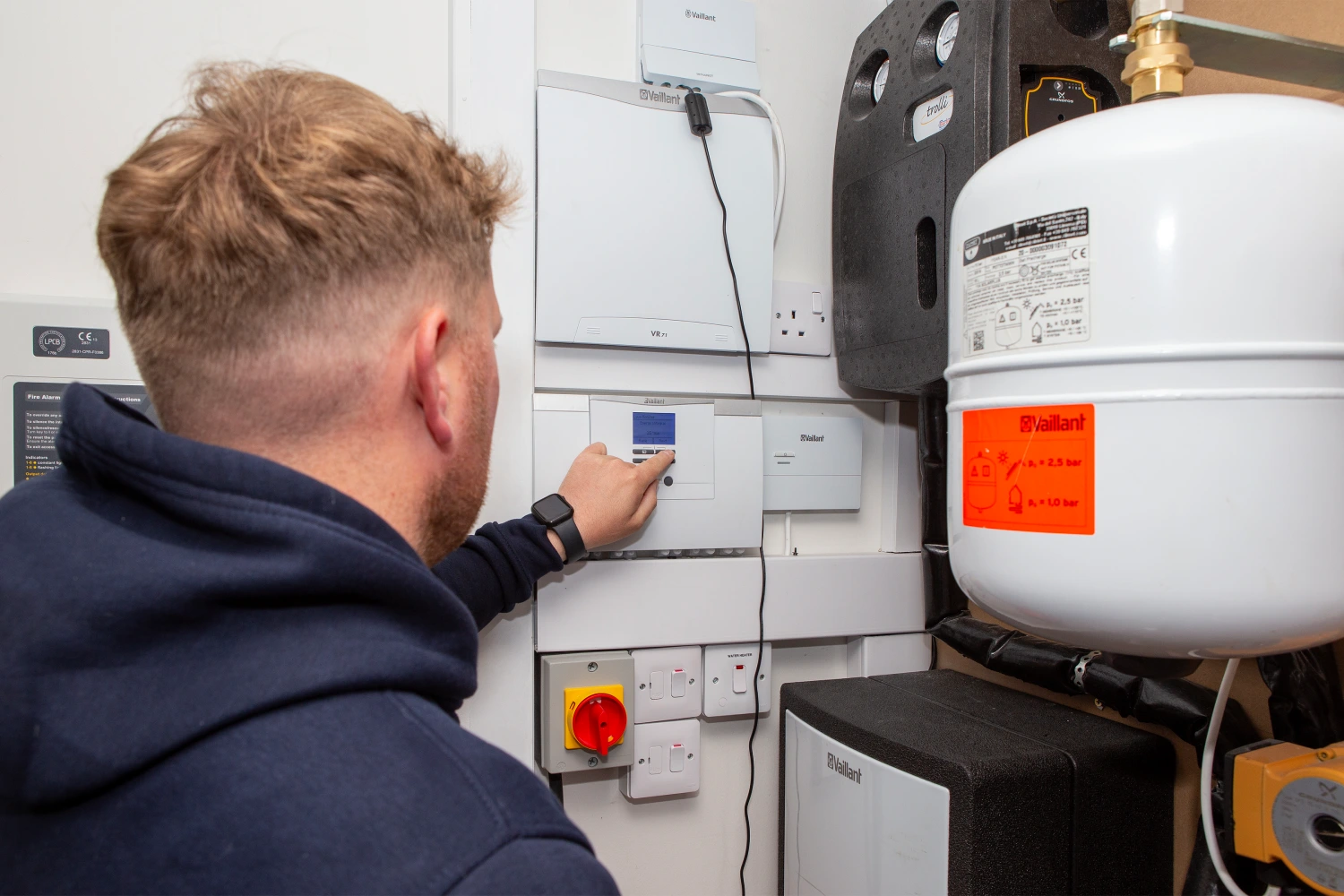
Modern heat pump systems include advanced controls that help manage when heating cycles operate.
These controls can automatically adjust heating schedules to match electricity pricing.
Examples include:
- programmable thermostats
- weather compensation controls
- hot water scheduling
These features help ensure that the system operates efficiently without compromising comfort.
Typical Energy Usage Comparison
Although running costs vary between homes, the table below shows a simplified comparison between heating approaches.
| Heating Type | Energy Source | Typical Cost Control |
| Gas boiler | Gas | Limited tariff flexibility |
| Electric heater | Electricity | High running cost |
| Heat pump | Electricity | Can benefit from smart tariffs |
This flexibility is one reason many homeowners consider renewable heating systems when reviewing their long term energy costs.
Case Study – Using Smart Tariffs in an Elgin Home
A homeowner in Elgin recently installed a heat pump system in a modern detached property.
After installation, the household switched to a time of use electricity tariff. The system was configured so that the hot water cylinder heated overnight when electricity prices were lowest.
During colder periods, the heating system maintained steady temperatures while still taking advantage of cheaper electricity periods.
Over the course of the year, the homeowner found that the ashp cost elgin running costs were lower than expected due to this tariff strategy.
What Should Homeowners Consider Before Switching Tariffs?
While smart tariffs can be beneficial, it is important to review a few key factors first.
These include:
- how electricity prices vary throughout the day
- whether your heating system can be scheduled effectively
- how much electricity your home uses during peak hours
Discussing these details with an installer or energy provider can help determine whether a tariff change is worthwhile.
If you would like professional guidance on running costs and heating system design, you can speak to Plumbing & Renewables for tailored advice.
Are Smart Tariffs Suitable for Every Home?
Smart tariffs can work well for many households, but they are not always the best option for everyone.
For example, homes with high daytime electricity usage may not benefit as much if cheaper electricity is only available overnight.
Similarly, households that rely heavily on electricity during peak hours may see limited savings.
However, for homes with flexible energy use, smart tariffs can support lower overall heating costs.
How Does System Design Affect Running Costs?
Running costs are not determined by tariffs alone.
System design also plays a significant role in heating efficiency.
Factors that influence performance include:
- accurate heat loss calculations
- properly sized radiators
- correct heat pump capacity
- effective system commissioning
When these elements are balanced correctly, the heating system can operate efficiently regardless of the electricity tariff.
Understanding these details can help homeowners gain a clearer picture of heat pump cost elgin over the long term.
Final Thoughts
Smart electricity tariffs are becoming an important part of modern home energy systems. When combined with efficient heating technology, they can help reduce electricity costs while maintaining comfortable indoor temperatures.
For homeowners reviewing renewable heating options, understanding how tariffs influence running costs can help set realistic expectations.
If you would like expert advice on system design, running costs and renewable heating, the Plumbing & Renewables team can help you explore the best options for your property.
Related articles

Which option best describes your home?
At a glance
While heat pumps are known for their efficiency, electricity prices can vary throughout the day, which means the way the system is used can influence overall costs.
This is where smart electricity tariffs come into the conversation. Many modern tariffs offer cheaper electricity at certain times, allowing households to use energy when it costs less.
For homeowners researching heat pump cost elgin, understanding how smart tariffs work alongside modern heating systems can make a noticeable difference to long term running costs.
What Is a Smart Electricity Tariff?
A smart electricity tariff is a pricing structure where the cost of electricity changes depending on the time of day.
Instead of paying the same price all day, households can take advantage of cheaper periods when electricity demand is lower.
Common features of smart tariffs include:
- lower prices during overnight hours
- higher prices during peak evening demand
- real time electricity usage tracking
- smart meter integration
These tariffs are becoming increasingly popular as the UK energy grid adapts to renewable electricity generation.
How Do Heat Pumps Benefit From Smart Tariffs?
Heat pumps operate differently from traditional heating systems. Rather than producing bursts of high temperature heat, they maintain steady temperatures over longer periods.
This makes them particularly suitable for smart tariff strategies.
A heat pump can be configured to:
- heat the home gradually overnight
- pre-heat hot water during cheaper tariff periods
- maintain stable temperatures throughout the day
Using electricity during lower cost hours can help reduce overall heating expenses.
If you are considering renewable heating and want guidance on system running costs, the Plumbing & Renewables team can provide advice tailored to your home.
Do Smart Tariffs Reduce Heat Pump Running Costs?
In many cases, yes. Smart tariffs can reduce heating costs when the system is configured to operate efficiently during cheaper electricity periods.
However, the level of savings depends on several factors:
- property insulation
- system design
- heating controls
- electricity pricing structure
For homeowners evaluating heat pump cost elgin, these factors can be just as important as the tariff itself.
What Are the Most Common Smart Tariff Types?
There are several types of electricity tariffs designed to encourage off peak energy use.
These include:
Time of Use Tariffs
Electricity prices vary depending on the time of day.
Off Peak Tariffs
Lower prices are available during overnight hours.
Dynamic Tariffs
Prices adjust throughout the day depending on grid demand.
Each tariff works slightly differently, but the general principle is the same – use energy when it costs less.
Which option best describes your home?
It just takes 2 minutes
And then you can book a free consultation
How Do Heating Controls Help Optimise Tariffs?
Modern heat pump systems include advanced controls that help manage when heating cycles operate.
These controls can automatically adjust heating schedules to match electricity pricing.
Examples include:
- programmable thermostats
- weather compensation controls
- hot water scheduling
These features help ensure that the system operates efficiently without compromising comfort.
Typical Energy Usage Comparison
Although running costs vary between homes, the table below shows a simplified comparison between heating approaches.
| Heating Type | Energy Source | Typical Cost Control |
| Gas boiler | Gas | Limited tariff flexibility |
| Electric heater | Electricity | High running cost |
| Heat pump | Electricity | Can benefit from smart tariffs |
This flexibility is one reason many homeowners consider renewable heating systems when reviewing their long term energy costs.
Case Study – Using Smart Tariffs in an Elgin Home
A homeowner in Elgin recently installed a heat pump system in a modern detached property.
After installation, the household switched to a time of use electricity tariff. The system was configured so that the hot water cylinder heated overnight when electricity prices were lowest.
During colder periods, the heating system maintained steady temperatures while still taking advantage of cheaper electricity periods.
Over the course of the year, the homeowner found that the ashp cost elgin running costs were lower than expected due to this tariff strategy.
What Should Homeowners Consider Before Switching Tariffs?
While smart tariffs can be beneficial, it is important to review a few key factors first.
These include:
- how electricity prices vary throughout the day
- whether your heating system can be scheduled effectively
- how much electricity your home uses during peak hours
Discussing these details with an installer or energy provider can help determine whether a tariff change is worthwhile.
If you would like professional guidance on running costs and heating system design, you can speak to Plumbing & Renewables for tailored advice.
Are Smart Tariffs Suitable for Every Home?
Smart tariffs can work well for many households, but they are not always the best option for everyone.
For example, homes with high daytime electricity usage may not benefit as much if cheaper electricity is only available overnight.
Similarly, households that rely heavily on electricity during peak hours may see limited savings.
However, for homes with flexible energy use, smart tariffs can support lower overall heating costs.
How Does System Design Affect Running Costs?
Running costs are not determined by tariffs alone.
System design also plays a significant role in heating efficiency.
Factors that influence performance include:
- accurate heat loss calculations
- properly sized radiators
- correct heat pump capacity
- effective system commissioning
When these elements are balanced correctly, the heating system can operate efficiently regardless of the electricity tariff.
Understanding these details can help homeowners gain a clearer picture of heat pump cost elgin over the long term.
Final Thoughts
Smart electricity tariffs are becoming an important part of modern home energy systems. When combined with efficient heating technology, they can help reduce electricity costs while maintaining comfortable indoor temperatures.
For homeowners reviewing renewable heating options, understanding how tariffs influence running costs can help set realistic expectations.
If you would like expert advice on system design, running costs and renewable heating, the Plumbing & Renewables team can help you explore the best options for your property.