
Batteries, EV Chargers and Heat Pumps: How It All Works Together
Home energy systems are changing rapidly. Instead of relying on a single heating appliance or electricity supply, many homes now combine several technologies to improve efficiency and reduce running costs.

Why you can trust our content
We know the plumbing and renewable energy industry can feel overwhelming, especially with conflicting advice and outdated information online. That’s why we base everything we do on clarity, expertise, and trusted sources:


At a glance
Heat pumps, solar panels, battery storage and electric vehicle chargers are often discussed separately, but they can work together as part of a single integrated energy system. When designed correctly, these technologies allow homeowners to generate, store and use electricity more intelligently.
For households exploring renewable heating options, understanding how these technologies connect can help make long term planning easier. Whether installing solar panels today or considering electric vehicles in the future, an experienced air source heat pump fitter elgin can help explain how a modern system fits together.
How Do Modern Home Energy Systems Work Together?
Traditionally, homes used electricity from the grid and a boiler for heating. Modern renewable systems operate differently.
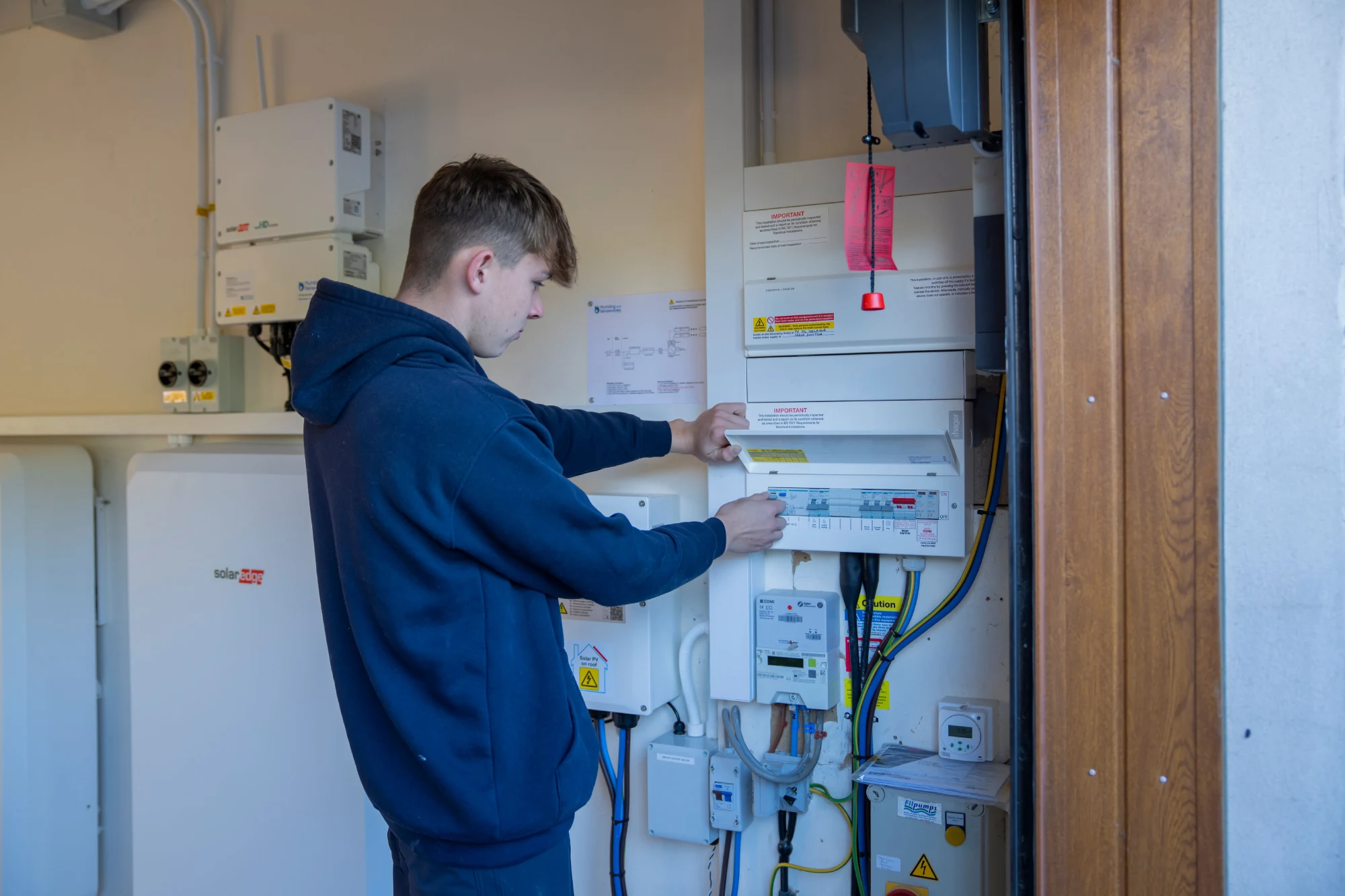
A typical integrated system may include:
- an air source heat pump for heating and hot water
- solar panels generating electricity during the day
- a home battery storing unused energy
- an EV charger powering an electric car
Each part of the system performs a different role. When connected intelligently, they help reduce reliance on imported electricity while improving overall energy efficiency.
Why Are Heat Pumps Central to Integrated Energy Systems?
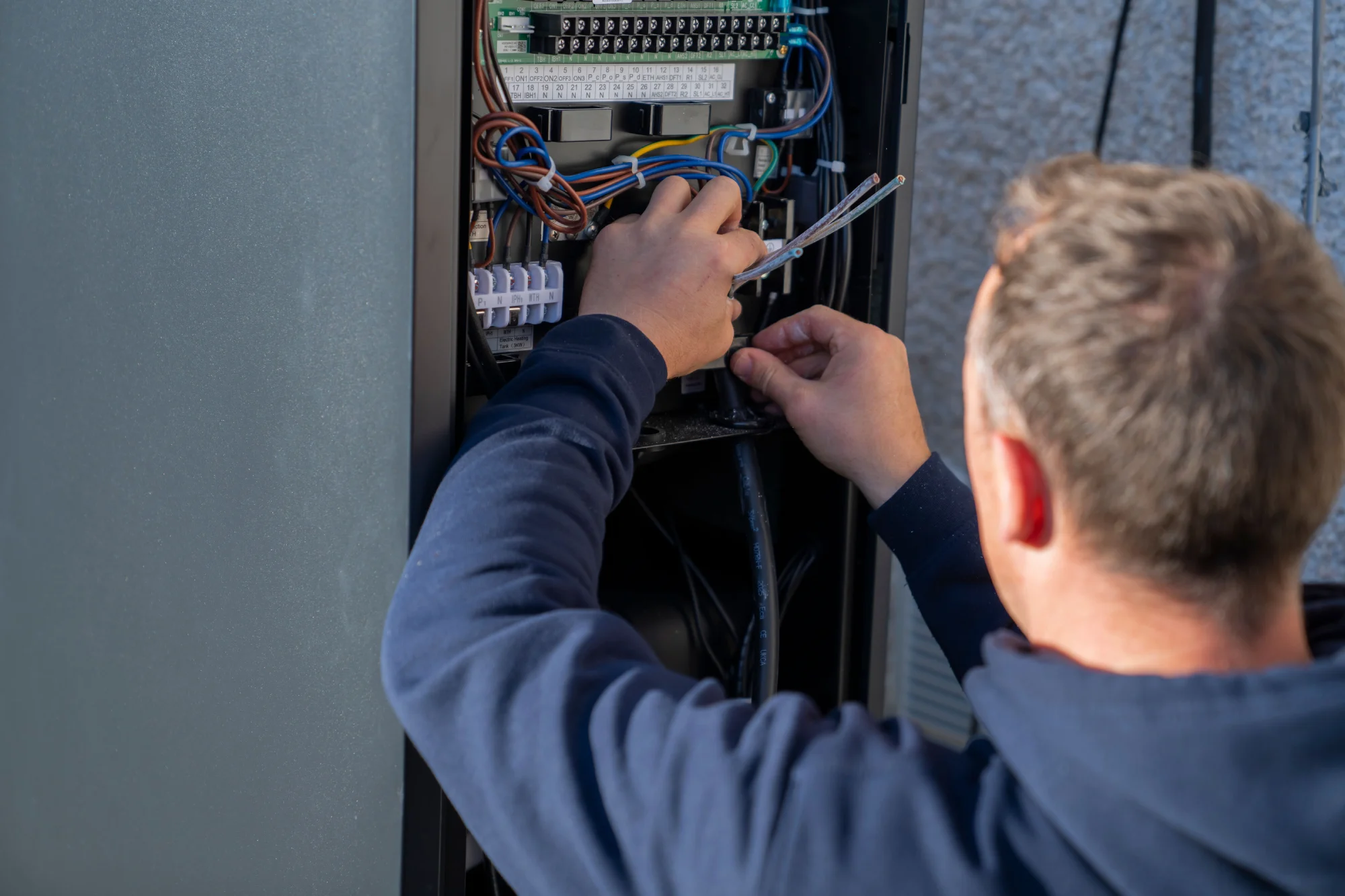
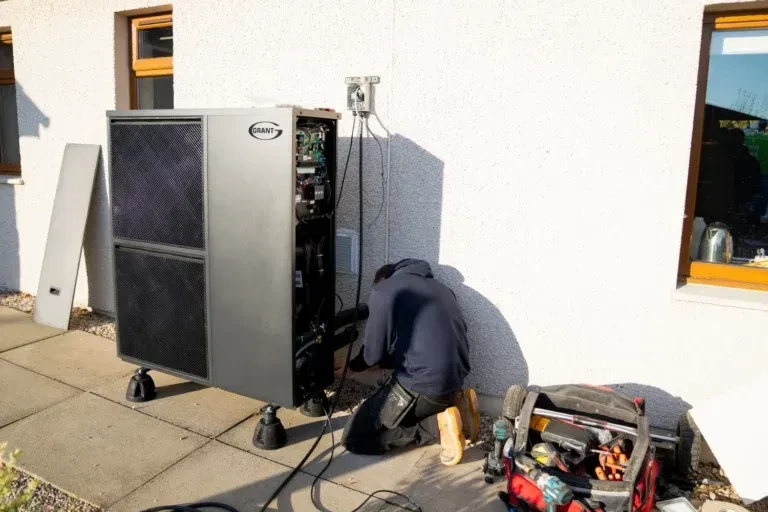
Heat pumps are often the foundation of a modern renewable energy setup. They replace traditional fossil fuel heating with an electrically powered system that extracts heat from the outdoor air.
This means the heating system can make use of electricity generated on site from solar panels or stored in a battery.
Because of this flexibility, many homeowners choose to combine solar panels and battery storage when installing a heat pump. An experienced air source heat pump company elgin can help design a system that allows these technologies to work efficiently together.
If you are considering renewable heating, speaking with the team at Plumbing & Renewables can help you understand how integrated systems are designed for modern homes.
What Role Do Solar Panels Play?
Solar panels generate electricity when daylight is available. That electricity can be used immediately within the home.
During the day, solar generation can help power several things:
- the heat pump
- household appliances
- EV charging
- battery storage systems
If more electricity is generated than the home needs, the excess energy can either be stored in a battery or exported to the grid.
Solar generation is therefore an important part of reducing energy costs within an integrated system.
What Does a Home Battery Actually Do?
A battery stores electricity so it can be used later when it is needed.
Without a battery, excess solar electricity produced during the day is usually exported to the grid. With battery storage, that electricity can instead be used later in the evening.
This stored energy may help power:
- heating systems
- lighting and appliances
- electric vehicle charging
Battery storage is particularly useful during winter when electricity demand is higher and daylight hours are shorter.
Which option best describes your home?
It just takes 2 minutes
And then you can book a free consultation
How Do EV Chargers Fit Into the System?
Electric vehicles are becoming more common across the UK, and many homeowners are preparing for future charging needs.
EV chargers can work alongside solar panels and battery storage to optimise electricity use.
For example:
- solar panels generate electricity during the day
- excess power charges the home battery
- stored electricity can then charge the vehicle overnight
When integrated correctly, this approach can significantly reduce the amount of electricity required from the grid.
Example of an Integrated Renewable System
The table below shows how different technologies interact within a typical integrated energy setup.
| Technology | Main Function | How It Connects |
| Heat pump | Provides heating and hot water | Uses electricity from grid, solar or battery |
| Solar panels | Generate electricity | Powers appliances and charging systems |
| Battery storage | Stores excess electricity | Supplies energy when solar output is low |
| EV charger | Charges electric vehicles | Can use solar or stored electricity |
This approach allows households to use more of the energy they generate while reducing reliance on traditional energy sources.
Do You Need Everything Installed at Once?
Not necessarily. Many homeowners install renewable technologies gradually.
A typical upgrade path might look like this:
- Install a heat pump when replacing an older heating system
- Add solar panels later to generate electricity
- Install battery storage to maximise solar usage
- Add an EV charger when purchasing an electric vehicle
Planning ahead is important, however. Working with a knowledgeable air source heat pump fitter elgin can help ensure that future technologies can be integrated easily when the time comes.
If you are considering combining solar panels, battery storage or EV charging with a heat pump, the team at Plumbing & Renewables can explain how integrated systems are planned.
Why System Integration Matters
One of the most common issues with renewable technology is installing equipment separately without considering how everything will work together.
When systems are designed as a whole, homeowners often benefit from:
- improved energy efficiency
- lower electricity costs
- better use of solar generation
- greater flexibility for future upgrades
A qualified air source heat pump company elgin will normally assess the entire property energy system rather than focusing on a single appliance.
A Typical Elgin Scenario
Consider a family home installing a heat pump as part of a renovation project.
Initially, the focus may simply be replacing an ageing boiler. However, during the design stage the installer also considers future upgrades.
The property might later add solar panels and battery storage, allowing the heat pump to operate using more renewable electricity. When the household eventually purchases an electric vehicle, a charger can be integrated into the same energy system.
This type of forward planning allows the home’s energy infrastructure to evolve over time.
Are Integrated Renewable Systems Becoming More Common?
Yes. As technology improves and electricity generation becomes more decentralised, integrated home energy systems are becoming increasingly common.
In areas across Scotland, more households are exploring ways to combine renewable technologies to reduce both emissions and long term energy costs.
Understanding how these technologies interact is an important first step before making any investment decisions.
Final Thoughts
Modern homes are moving towards integrated energy systems where heating, electricity generation and vehicle charging all work together. When planned properly, these technologies can complement each other and help households use energy more efficiently.
For homeowners exploring renewable upgrades, understanding how these systems interact is a valuable starting point. With thoughtful planning and expert advice, it is possible to create an energy system that supports both current needs and future technologies.
If you would like guidance on designing an integrated renewable system, speak to Plumbing & Renewables. Our team can explain how heating, solar and battery technologies can work together in your home.
Related articles

Which option best describes your home?
At a glance
Heat pumps, solar panels, battery storage and electric vehicle chargers are often discussed separately, but they can work together as part of a single integrated energy system. When designed correctly, these technologies allow homeowners to generate, store and use electricity more intelligently.
For households exploring renewable heating options, understanding how these technologies connect can help make long term planning easier. Whether installing solar panels today or considering electric vehicles in the future, an experienced air source heat pump fitter elgin can help explain how a modern system fits together.
How Do Modern Home Energy Systems Work Together?
Traditionally, homes used electricity from the grid and a boiler for heating. Modern renewable systems operate differently.
A typical integrated system may include:
- an air source heat pump for heating and hot water
- solar panels generating electricity during the day
- a home battery storing unused energy
- an EV charger powering an electric car
Each part of the system performs a different role. When connected intelligently, they help reduce reliance on imported electricity while improving overall energy efficiency.
Why Are Heat Pumps Central to Integrated Energy Systems?
Heat pumps are often the foundation of a modern renewable energy setup. They replace traditional fossil fuel heating with an electrically powered system that extracts heat from the outdoor air.
This means the heating system can make use of electricity generated on site from solar panels or stored in a battery.
Because of this flexibility, many homeowners choose to combine solar panels and battery storage when installing a heat pump. An experienced air source heat pump company elgin can help design a system that allows these technologies to work efficiently together.
If you are considering renewable heating, speaking with the team at Plumbing & Renewables can help you understand how integrated systems are designed for modern homes.
What Role Do Solar Panels Play?
Solar panels generate electricity when daylight is available. That electricity can be used immediately within the home.
During the day, solar generation can help power several things:
- the heat pump
- household appliances
- EV charging
- battery storage systems
If more electricity is generated than the home needs, the excess energy can either be stored in a battery or exported to the grid.
Solar generation is therefore an important part of reducing energy costs within an integrated system.
What Does a Home Battery Actually Do?
A battery stores electricity so it can be used later when it is needed.
Without a battery, excess solar electricity produced during the day is usually exported to the grid. With battery storage, that electricity can instead be used later in the evening.
This stored energy may help power:
- heating systems
- lighting and appliances
- electric vehicle charging
Battery storage is particularly useful during winter when electricity demand is higher and daylight hours are shorter.
Which option best describes your home?
It just takes 2 minutes
And then you can book a free consultation
How Do EV Chargers Fit Into the System?
Electric vehicles are becoming more common across the UK, and many homeowners are preparing for future charging needs.
EV chargers can work alongside solar panels and battery storage to optimise electricity use.
For example:
- solar panels generate electricity during the day
- excess power charges the home battery
- stored electricity can then charge the vehicle overnight
When integrated correctly, this approach can significantly reduce the amount of electricity required from the grid.
Example of an Integrated Renewable System
The table below shows how different technologies interact within a typical integrated energy setup.
| Technology | Main Function | How It Connects |
| Heat pump | Provides heating and hot water | Uses electricity from grid, solar or battery |
| Solar panels | Generate electricity | Powers appliances and charging systems |
| Battery storage | Stores excess electricity | Supplies energy when solar output is low |
| EV charger | Charges electric vehicles | Can use solar or stored electricity |
This approach allows households to use more of the energy they generate while reducing reliance on traditional energy sources.
Do You Need Everything Installed at Once?
Not necessarily. Many homeowners install renewable technologies gradually.
A typical upgrade path might look like this:
- Install a heat pump when replacing an older heating system
- Add solar panels later to generate electricity
- Install battery storage to maximise solar usage
- Add an EV charger when purchasing an electric vehicle
Planning ahead is important, however. Working with a knowledgeable air source heat pump fitter elgin can help ensure that future technologies can be integrated easily when the time comes.
If you are considering combining solar panels, battery storage or EV charging with a heat pump, the team at Plumbing & Renewables can explain how integrated systems are planned.
Why System Integration Matters
One of the most common issues with renewable technology is installing equipment separately without considering how everything will work together.
When systems are designed as a whole, homeowners often benefit from:
- improved energy efficiency
- lower electricity costs
- better use of solar generation
- greater flexibility for future upgrades
A qualified air source heat pump company elgin will normally assess the entire property energy system rather than focusing on a single appliance.
A Typical Elgin Scenario
Consider a family home installing a heat pump as part of a renovation project.
Initially, the focus may simply be replacing an ageing boiler. However, during the design stage the installer also considers future upgrades.
The property might later add solar panels and battery storage, allowing the heat pump to operate using more renewable electricity. When the household eventually purchases an electric vehicle, a charger can be integrated into the same energy system.
This type of forward planning allows the home’s energy infrastructure to evolve over time.
Are Integrated Renewable Systems Becoming More Common?
Yes. As technology improves and electricity generation becomes more decentralised, integrated home energy systems are becoming increasingly common.
In areas across Scotland, more households are exploring ways to combine renewable technologies to reduce both emissions and long term energy costs.
Understanding how these technologies interact is an important first step before making any investment decisions.
Final Thoughts
Modern homes are moving towards integrated energy systems where heating, electricity generation and vehicle charging all work together. When planned properly, these technologies can complement each other and help households use energy more efficiently.
For homeowners exploring renewable upgrades, understanding how these systems interact is a valuable starting point. With thoughtful planning and expert advice, it is possible to create an energy system that supports both current needs and future technologies.
If you would like guidance on designing an integrated renewable system, speak to Plumbing & Renewables. Our team can explain how heating, solar and battery technologies can work together in your home.