
Is a Battery Worth It If You Already Have a Heat Pump?
As renewable heating systems become more common, many homeowners begin exploring ways to make their energy systems even more efficient. After installing a heat pump, the next question often revolves around electricity usage and how to manage it more effectively.

Why you can trust our content
We know the plumbing and renewable energy industry can feel overwhelming, especially with conflicting advice and outdated information online. That’s why we base everything we do on clarity, expertise, and trusted sources:


At a glance
Battery storage has gained attention in recent years because it allows households to store electricity for later use rather than relying entirely on grid supply.
But is a battery actually worthwhile if you already have a heat pump? The answer depends on how electricity is used within the home, whether solar panels are installed, and how the overall system is designed.
What Does a Home Battery Actually Do?
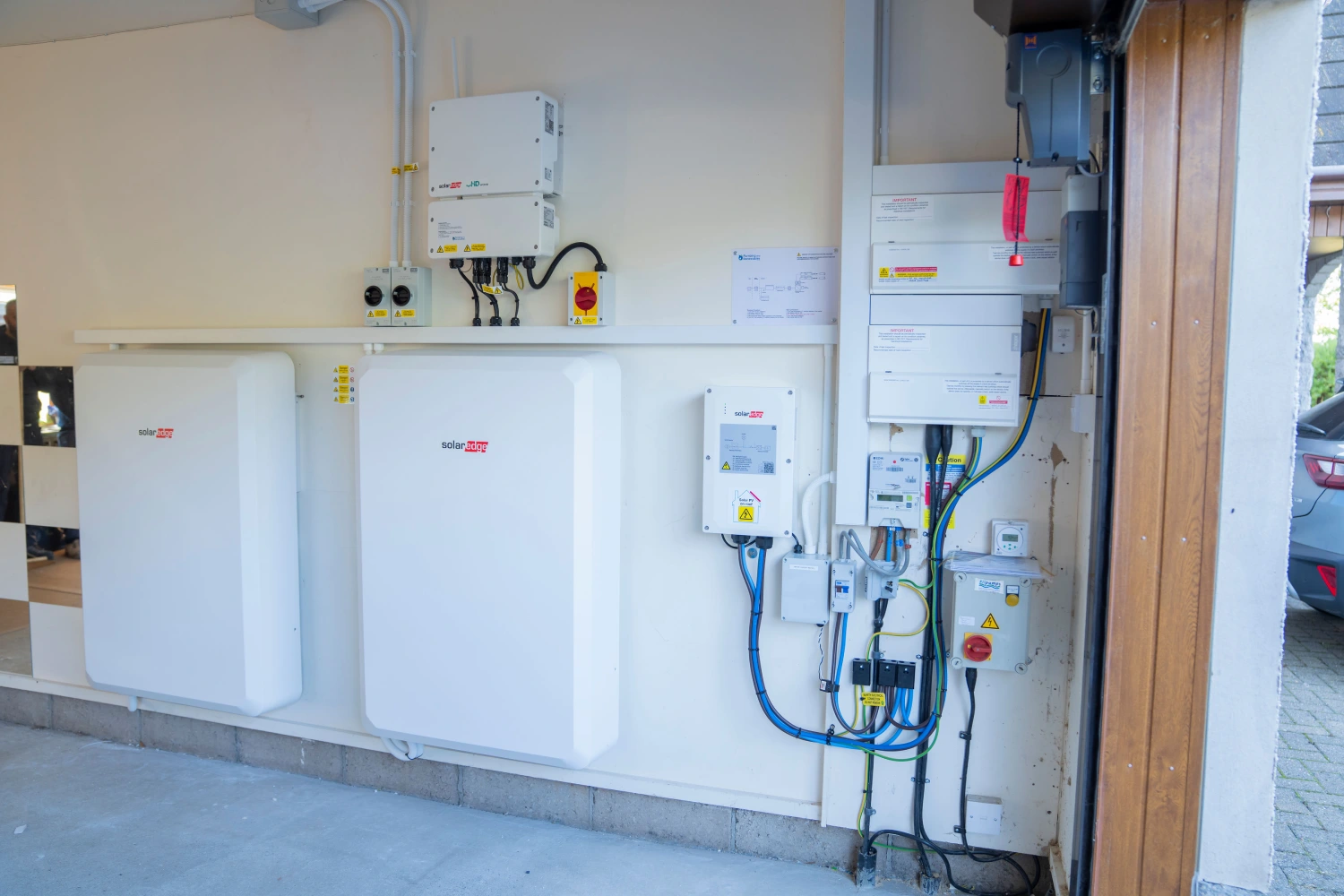
A home battery stores electricity so it can be used later when it is needed.
This electricity can come from several sources:
- solar panels generating power during the day
- lower cost electricity from off peak tariffs
- excess electricity that would otherwise be exported to the grid
Instead of sending unused electricity away, the battery stores it for use later in the evening or overnight.
This can help households make better use of the electricity they generate or purchase at lower cost times.
Do Heat Pumps Use a Lot of Electricity?
Heat pumps are highly efficient heating systems, but they do rely on electricity to operate.
Electricity powers:
- the compressor
- circulation pumps
- system controls
- hot water heating cycles
Because of this, homeowners sometimes explore ways to manage when that electricity is used.
This is where battery storage can become part of a wider energy strategy.
Can a Battery Reduce Heat Pump Running Costs?
A battery does not directly reduce the electricity used by the heat pump itself. Instead, it helps manage when and how electricity is consumed.
For example:
- electricity purchased during cheaper tariff periods can be stored
- solar energy generated during the day can be used later
- stored electricity can power heating during evening hours
These strategies may help reduce overall energy costs depending on the household’s energy usage patterns.
When evaluating the air source heat pump cost elgin, homeowners sometimes consider whether battery storage could influence long term running costs.
If you are considering renewable upgrades for your home, the team at Plumbing & Renewables can explain how heat pumps, solar panels and battery storage can work together.
Do You Need Solar Panels to Benefit From a Battery?
Solar panels are the most common reason homeowners install battery storage, but they are not strictly required.
A battery can also be useful with smart electricity tariffs that offer lower prices at certain times of the day.
In these situations, the battery may:
- charge during off peak hours
- store lower cost electricity
- supply power during higher price periods
This approach can help manage electricity costs more effectively throughout the day.
How Much Electricity Can a Battery Store?
Battery capacity varies depending on the model and system design.
Typical residential battery capacities range between:
| Battery Size | Typical Storage Capacity | What It Can Power |
| Small system | 3 – 5 kWh | Appliances and lighting |
| Medium system | 5 – 10 kWh | Appliances plus partial heating use |
| Larger system | 10 – 15 kWh | Larger energy demands and EV charging |
The appropriate size depends on household energy demand, solar generation and future energy plans.
A professional installer will normally review these factors before recommending battery capacity.
Is Battery Storage Always Financially Worthwhile?
Not always. The financial benefit of a battery depends on several factors.
These may include:
- whether the property has solar panels
- electricity tariff structure
- household energy usage patterns
- installation costs
In some homes, the savings may take longer to recover the cost of the battery installation.
Because of this, homeowners often review their overall renewable energy strategy when considering battery storage alongside the cost of air source heat pump elgin.
Which option best describes your home?
It just takes 2 minutes
And then you can book a free consultation
Example Scenario – A Typical Elgin Home
Consider a detached property in Elgin that already uses a heat pump for heating and hot water.
The homeowner later installs solar panels to generate electricity during the day. However, much of the solar electricity is produced while the property is empty.
By adding battery storage, the home can store excess solar electricity and use it later in the evening when heating demand increases.
In this scenario, the battery helps the household make better use of the energy generated on site.
If you would like to learn more about combining renewable technologies, you may find our guide on solar and heat pump systems helpful.
Are Batteries Becoming More Popular?
Yes. As renewable energy technologies continue to develop, battery storage is becoming increasingly common in residential energy systems.
This is partly due to:
- growing solar panel installations
- increased interest in electric vehicles
- the introduction of smart electricity tariffs
- improvements in battery technology
For homeowners planning future energy upgrades, battery storage may become an important part of an integrated energy system.
What Should Homeowners Consider Before Installing a Battery?
Before installing battery storage, homeowners may wish to consider several practical questions.
These include:
- Do you already have solar panels or plan to install them?
- Does your electricity supplier offer smart tariffs?
- How much electricity does your household typically use?
- Are you planning future upgrades such as EV charging?
Answering these questions helps determine whether a battery would provide meaningful benefits.
Final Thoughts
Battery storage can be a useful addition to a home energy system, particularly when combined with solar panels or smart electricity tariffs. While it does not reduce the electricity required by a heat pump, it can help manage when that electricity is used.
For homeowners exploring renewable upgrades, the decision often depends on individual energy usage and long term plans for the property.
If you would like guidance on heat pumps, solar panels or battery storage, contact Plumbing & Renewables. Our team can explain how different technologies can work together to improve energy efficiency in your home.
Related articles

Which option best describes your home?
At a glance
Battery storage has gained attention in recent years because it allows households to store electricity for later use rather than relying entirely on grid supply.
But is a battery actually worthwhile if you already have a heat pump? The answer depends on how electricity is used within the home, whether solar panels are installed, and how the overall system is designed.
What Does a Home Battery Actually Do?
A home battery stores electricity so it can be used later when it is needed.
This electricity can come from several sources:
- solar panels generating power during the day
- lower cost electricity from off peak tariffs
- excess electricity that would otherwise be exported to the grid
Instead of sending unused electricity away, the battery stores it for use later in the evening or overnight.
This can help households make better use of the electricity they generate or purchase at lower cost times.
Do Heat Pumps Use a Lot of Electricity?
Heat pumps are highly efficient heating systems, but they do rely on electricity to operate.
Electricity powers:
- the compressor
- circulation pumps
- system controls
- hot water heating cycles
Because of this, homeowners sometimes explore ways to manage when that electricity is used.
This is where battery storage can become part of a wider energy strategy.
Can a Battery Reduce Heat Pump Running Costs?
A battery does not directly reduce the electricity used by the heat pump itself. Instead, it helps manage when and how electricity is consumed.
For example:
- electricity purchased during cheaper tariff periods can be stored
- solar energy generated during the day can be used later
- stored electricity can power heating during evening hours
These strategies may help reduce overall energy costs depending on the household’s energy usage patterns.
When evaluating the air source heat pump cost elgin, homeowners sometimes consider whether battery storage could influence long term running costs.
If you are considering renewable upgrades for your home, the team at Plumbing & Renewables can explain how heat pumps, solar panels and battery storage can work together.
Do You Need Solar Panels to Benefit From a Battery?
Solar panels are the most common reason homeowners install battery storage, but they are not strictly required.
A battery can also be useful with smart electricity tariffs that offer lower prices at certain times of the day.
In these situations, the battery may:
- charge during off peak hours
- store lower cost electricity
- supply power during higher price periods
This approach can help manage electricity costs more effectively throughout the day.
How Much Electricity Can a Battery Store?
Battery capacity varies depending on the model and system design.
Typical residential battery capacities range between:
| Battery Size | Typical Storage Capacity | What It Can Power |
| Small system | 3 – 5 kWh | Appliances and lighting |
| Medium system | 5 – 10 kWh | Appliances plus partial heating use |
| Larger system | 10 – 15 kWh | Larger energy demands and EV charging |
The appropriate size depends on household energy demand, solar generation and future energy plans.
A professional installer will normally review these factors before recommending battery capacity.
Is Battery Storage Always Financially Worthwhile?
Not always. The financial benefit of a battery depends on several factors.
These may include:
- whether the property has solar panels
- electricity tariff structure
- household energy usage patterns
- installation costs
In some homes, the savings may take longer to recover the cost of the battery installation.
Because of this, homeowners often review their overall renewable energy strategy when considering battery storage alongside the cost of air source heat pump elgin.
Which option best describes your home?
It just takes 2 minutes
And then you can book a free consultation
Example Scenario – A Typical Elgin Home
Consider a detached property in Elgin that already uses a heat pump for heating and hot water.
The homeowner later installs solar panels to generate electricity during the day. However, much of the solar electricity is produced while the property is empty.
By adding battery storage, the home can store excess solar electricity and use it later in the evening when heating demand increases.
In this scenario, the battery helps the household make better use of the energy generated on site.
If you would like to learn more about combining renewable technologies, you may find our guide on solar and heat pump systems helpful.
Are Batteries Becoming More Popular?
Yes. As renewable energy technologies continue to develop, battery storage is becoming increasingly common in residential energy systems.
This is partly due to:
- growing solar panel installations
- increased interest in electric vehicles
- the introduction of smart electricity tariffs
- improvements in battery technology
For homeowners planning future energy upgrades, battery storage may become an important part of an integrated energy system.
What Should Homeowners Consider Before Installing a Battery?
Before installing battery storage, homeowners may wish to consider several practical questions.
These include:
- Do you already have solar panels or plan to install them?
- Does your electricity supplier offer smart tariffs?
- How much electricity does your household typically use?
- Are you planning future upgrades such as EV charging?
Answering these questions helps determine whether a battery would provide meaningful benefits.
Final Thoughts
Battery storage can be a useful addition to a home energy system, particularly when combined with solar panels or smart electricity tariffs. While it does not reduce the electricity required by a heat pump, it can help manage when that electricity is used.
For homeowners exploring renewable upgrades, the decision often depends on individual energy usage and long term plans for the property.
If you would like guidance on heat pumps, solar panels or battery storage, contact Plumbing & Renewables. Our team can explain how different technologies can work together to improve energy efficiency in your home.