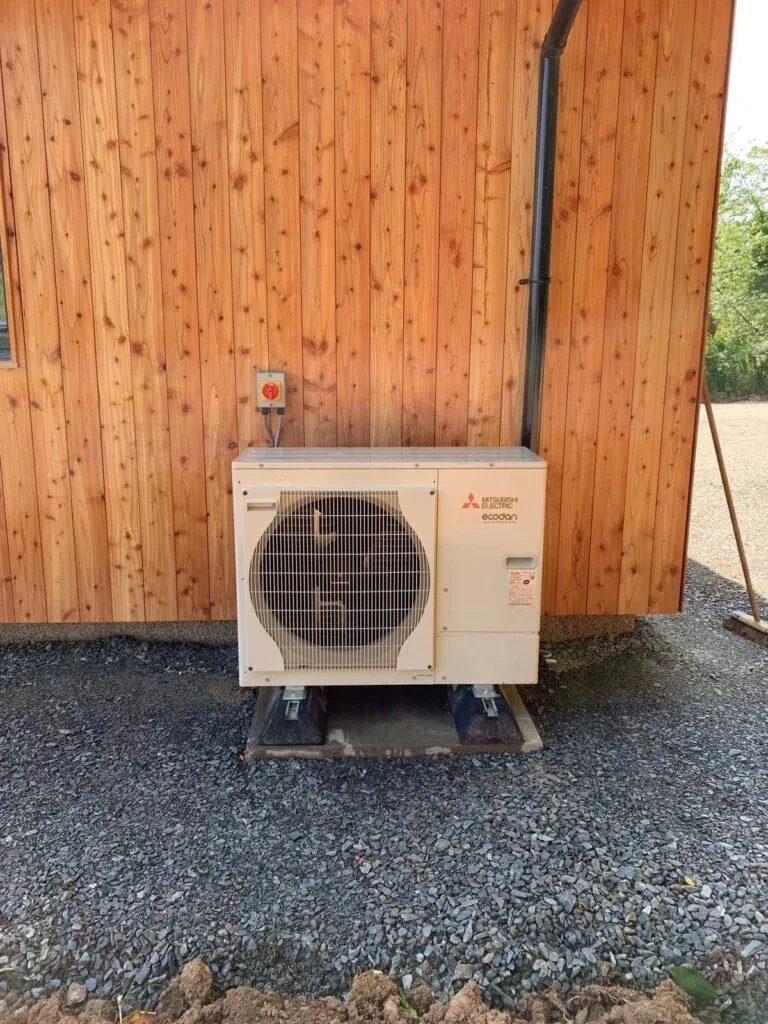

Choosing the Best ASHP Installer for Reliable Aftercare
Choosing a heat pump installer is not simply about finding someone who can fit the equipment. The quality of the installation, commissioning, handover and support afterwards can all influence your experience as a homeowner.

Why you can trust our content
We know the plumbing and renewable energy industry can feel overwhelming, especially with conflicting advice and outdated information online. That’s why we base everything we do on clarity, expertise, and trusted sources:


At a glance
A heat pump is a long-term heating system, so the relationship with the installer does not necessarily end when the outdoor unit is switched on. You may need help understanding settings, arranging maintenance, dealing with faults or checking warranty requirements in the future.
For homeowners comparing the best ASHP installer Elgin options, looking at aftercare alongside installation experience can provide a much better indication of what you are actually choosing.
If you are considering a heat pump and want to understand what installation and ongoing support could involve, contact Plumbing & Renewables for practical guidance tailored to your property.
Why does aftercare matter when choosing a heat pump installer?
Heat pumps are designed for long-term use, so homeowners should think beyond installation day.
Aftercare can include practical support with:
- Understanding system controls
- Heating and hot water settings
- Faults or warning messages
- Maintenance requirements
- Warranty queries
- Replacement components
- Future servicing
The level of support can vary between installers.
Before committing, ask what happens if you need assistance several months or years after the installation.
What credentials should a heat pump installer have?
Credentials are an important part of choosing an installer, but they should be considered alongside actual installation experience.
Ask the installer which qualifications, certifications and industry standards are relevant to the proposed system.
If applicable to your project, you may also want to check whether the business is an MCS certified ASHP installer.
MCS certification is associated with recognised standards for eligible renewable energy installations and can be particularly relevant where homeowners are considering applicable schemes or certification requirements.
Do not be afraid to ask for clarification about what certification covers and whether it applies to the specific installation being proposed.
What should you look for in installation experience?
A business that regularly installs heat pumps should be able to explain the design and installation process clearly.
Rather than simply asking how many systems have been installed, ask about the type of properties they work with.
Useful questions include:
- Do you carry out property assessments?
- How do you calculate the required system size?
- Do you assess existing radiators?
- How do you approach hot water requirements?
- How are outdoor unit locations selected?
- What happens if pipework needs changing?
- How is the system commissioned?
A confident installer should be able to explain these points without relying entirely on technical jargon.
Which option best describes your home?
It just takes 2 minutes
And then you can book a free consultation
How important is system design?
System design can be just as important as the equipment itself.
A heat pump needs to work with the property and its heating distribution system.
The installer may need to consider:
- Heat loss
- Room requirements
- Radiator output
- Pipework
- Hot water demand
- Controls
- Outdoor unit position
- Electrical requirements
A best ASHP installer Elgin homeowners can rely on should be willing to explain why a particular system has been proposed rather than simply presenting a product and price.
Should the installer explain the quotation properly?
Yes.
A detailed quotation should make it reasonably clear what you are paying for.
Check whether it identifies:
| Area | What to look for |
| Heat pump | Manufacturer, model and capacity |
| Hot water | Cylinder and associated equipment |
| Heating | Radiator assessment or upgrades |
| Pipework | Included alterations |
| Electrical | Required connections or work |
| Controls | Equipment and configuration |
| Labour | Installation scope |
| Commissioning | Testing and setup |
| Warranty | Equipment and workmanship cover |
| Aftercare | Support arrangements |
A lower headline price is not necessarily better if important parts of the installation have been excluded.
What should happen on installation day?
A professional installation should follow the agreed scope.
The installer should have considered access, equipment location, pipework routes and the practical requirements of the property before the work begins.
The installation process may involve:
- Positioning the outdoor unit.
- Installing indoor system components.
- Connecting heating and hot water circuits.
- Completing necessary electrical connections.
- Installing or configuring controls.
- Testing the system.
- Commissioning the equipment.
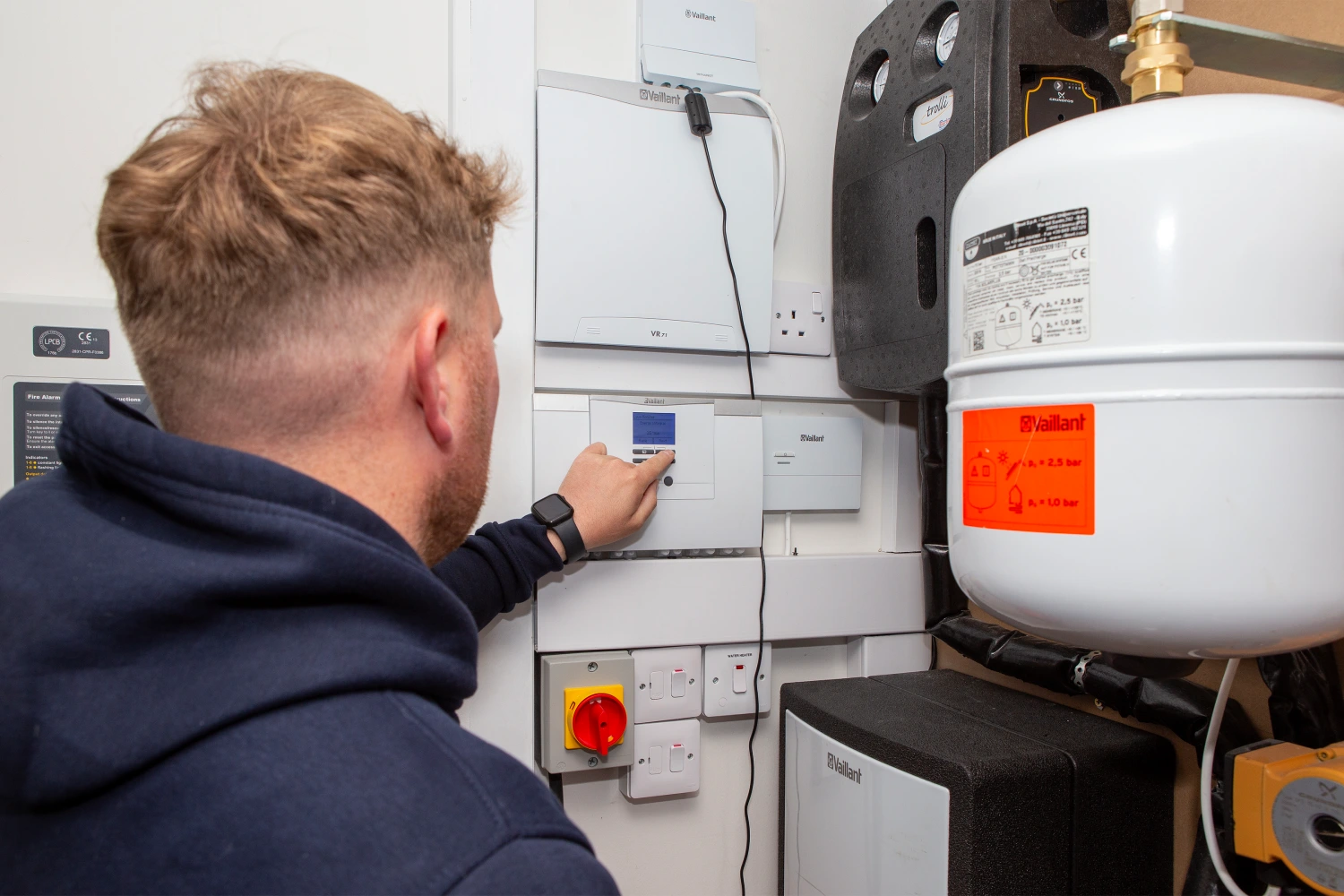
- Explaining the system to the homeowner.
The exact process will depend on the system and property.
If you are comparing a best ASHP installer Elgin shortlist, ask Plumbing & Renewables what the installation process includes and how the completed system will be handed over.
What should you expect from the handover?
The handover is an important part of the installation.
You should have an opportunity to learn how the system works and ask questions before the installation is considered complete.
The installer should explain relevant controls such as:
- Room temperature
- Heating schedules
- Hot water schedules
- Operating modes
- Basic fault indicators
- Holiday settings where applicable
You should also receive relevant documentation, including information about warranties and system operation.
A good handover can make the transition to a heat pump much easier.
How should warranty support be explained?
Do not assume that every warranty works in exactly the same way.
Ask what cover applies to the equipment and what cover applies to installation workmanship.
You may also need to know:
- Whether the warranty must be registered
- Who handles warranty claims
- What maintenance conditions apply
- What is excluded
- How faults should be reported
- Whether replacement parts are covered
An MCS certified ASHP installer should be able to explain the relevant certification and documentation associated with the project, while the equipment manufacturer will have its own warranty terms.
Always keep the paperwork supplied at handover.
What does good local aftercare look like?
Local support can be valuable when you own a heating system for many years.
If you experience a problem, you want to know who to contact and what the next step will be.
Before booking, ask:
- Who handles post-installation queries?
- Is servicing available?
- Can the original installer investigate faults?
- How are warranty issues handled?
- Is there a direct contact route?
- What happens if a component needs replacing?
The answers can tell you a lot about how the business views the installation after completion.
Should you check reviews and previous projects?
Yes, but look beyond the overall star rating.
Reviews can provide useful insight into how a company communicates, manages installation and responds when customers need assistance.
Pay attention to comments about:
- Installation quality
- Communication
- Handover
- Reliability
- Problem resolution
- Aftercare
If project photographs or case studies are available, they can also help you understand the type of properties and systems the installer has worked with.
A typical Elgin homeowner scenario
Consider a homeowner replacing an older heating system with an air source heat pump.
They compare two installers. One offers a lower initial price but provides little information about aftercare. The other explains the property assessment, system design, commissioning, handover and ongoing support in detail.
The second quotation costs more, but the homeowner has a clearer understanding of what happens if they need assistance later.
The decision is therefore based on the complete service rather than the installation price alone.
What questions should you ask before booking?
Before choosing an installer, ask:
- What qualifications and certifications do you hold?
- How is the heat pump sized?
- Will you assess my radiators?
- What equipment is included?
- Who will carry out the installation?
- Is commissioning included?
- What will happen during handover?
- What warranty cover applies?
- Who provides aftercare?
- Who should I contact if the system develops a problem?
- Is servicing available?
- Are there any exclusions in the quotation?
Clear answers can give you greater confidence before committing.
If you are looking for a best ASHP installer Elgin homeowners can approach for installation and ongoing guidance, speak to Plumbing & Renewables about your property, system requirements and aftercare expectations.
Final thoughts
Finding the best ASHP installer Elgin homeowners can work with involves looking beyond the equipment and initial quotation. A heat pump is a long-term investment, so the quality of the design, installation, commissioning and support afterwards all deserve consideration.
Checking credentials, asking detailed questions and understanding the aftercare process can help you make a more informed choice. It also gives you a clearer idea of what to expect once the installation team has left.
Plumbing & Renewables takes a practical approach to renewable heating, helping homeowners understand the system before installation and providing guidance around the completed project. For a long-term heating upgrade, choosing an installer that can support the system beyond installation day can be just as important as the equipment itself.
Related articles

Which option best describes your home?
At a glance
A heat pump is a long-term heating system, so the relationship with the installer does not necessarily end when the outdoor unit is switched on. You may need help understanding settings, arranging maintenance, dealing with faults or checking warranty requirements in the future.
For homeowners comparing the best ASHP installer Elgin options, looking at aftercare alongside installation experience can provide a much better indication of what you are actually choosing.
If you are considering a heat pump and want to understand what installation and ongoing support could involve, contact Plumbing & Renewables for practical guidance tailored to your property.
Why does aftercare matter when choosing a heat pump installer?
Heat pumps are designed for long-term use, so homeowners should think beyond installation day.
Aftercare can include practical support with:
- Understanding system controls
- Heating and hot water settings
- Faults or warning messages
- Maintenance requirements
- Warranty queries
- Replacement components
- Future servicing
The level of support can vary between installers.
Before committing, ask what happens if you need assistance several months or years after the installation.
What credentials should a heat pump installer have?
Credentials are an important part of choosing an installer, but they should be considered alongside actual installation experience.
Ask the installer which qualifications, certifications and industry standards are relevant to the proposed system.
If applicable to your project, you may also want to check whether the business is an MCS certified ASHP installer.
MCS certification is associated with recognised standards for eligible renewable energy installations and can be particularly relevant where homeowners are considering applicable schemes or certification requirements.
Do not be afraid to ask for clarification about what certification covers and whether it applies to the specific installation being proposed.
What should you look for in installation experience?
A business that regularly installs heat pumps should be able to explain the design and installation process clearly.
Rather than simply asking how many systems have been installed, ask about the type of properties they work with.
Useful questions include:
- Do you carry out property assessments?
- How do you calculate the required system size?
- Do you assess existing radiators?
- How do you approach hot water requirements?
- How are outdoor unit locations selected?
- What happens if pipework needs changing?
- How is the system commissioned?
A confident installer should be able to explain these points without relying entirely on technical jargon.
Which option best describes your home?
It just takes 2 minutes
And then you can book a free consultation
How important is system design?
System design can be just as important as the equipment itself.
A heat pump needs to work with the property and its heating distribution system.
The installer may need to consider:
- Heat loss
- Room requirements
- Radiator output
- Pipework
- Hot water demand
- Controls
- Outdoor unit position
- Electrical requirements
A best ASHP installer Elgin homeowners can rely on should be willing to explain why a particular system has been proposed rather than simply presenting a product and price.
Should the installer explain the quotation properly?
Yes.
A detailed quotation should make it reasonably clear what you are paying for.
Check whether it identifies:
| Area | What to look for |
| Heat pump | Manufacturer, model and capacity |
| Hot water | Cylinder and associated equipment |
| Heating | Radiator assessment or upgrades |
| Pipework | Included alterations |
| Electrical | Required connections or work |
| Controls | Equipment and configuration |
| Labour | Installation scope |
| Commissioning | Testing and setup |
| Warranty | Equipment and workmanship cover |
| Aftercare | Support arrangements |
A lower headline price is not necessarily better if important parts of the installation have been excluded.
What should happen on installation day?
A professional installation should follow the agreed scope.
The installer should have considered access, equipment location, pipework routes and the practical requirements of the property before the work begins.
The installation process may involve:
- Positioning the outdoor unit.
- Installing indoor system components.
- Connecting heating and hot water circuits.
- Completing necessary electrical connections.
- Installing or configuring controls.
- Testing the system.
- Commissioning the equipment.
- Explaining the system to the homeowner.
The exact process will depend on the system and property.
If you are comparing a best ASHP installer Elgin shortlist, ask Plumbing & Renewables what the installation process includes and how the completed system will be handed over.
What should you expect from the handover?
The handover is an important part of the installation.
You should have an opportunity to learn how the system works and ask questions before the installation is considered complete.
The installer should explain relevant controls such as:
- Room temperature
- Heating schedules
- Hot water schedules
- Operating modes
- Basic fault indicators
- Holiday settings where applicable
You should also receive relevant documentation, including information about warranties and system operation.
A good handover can make the transition to a heat pump much easier.
How should warranty support be explained?
Do not assume that every warranty works in exactly the same way.
Ask what cover applies to the equipment and what cover applies to installation workmanship.
You may also need to know:
- Whether the warranty must be registered
- Who handles warranty claims
- What maintenance conditions apply
- What is excluded
- How faults should be reported
- Whether replacement parts are covered
An MCS certified ASHP installer should be able to explain the relevant certification and documentation associated with the project, while the equipment manufacturer will have its own warranty terms.
Always keep the paperwork supplied at handover.
What does good local aftercare look like?
Local support can be valuable when you own a heating system for many years.
If you experience a problem, you want to know who to contact and what the next step will be.
Before booking, ask:
- Who handles post-installation queries?
- Is servicing available?
- Can the original installer investigate faults?
- How are warranty issues handled?
- Is there a direct contact route?
- What happens if a component needs replacing?
The answers can tell you a lot about how the business views the installation after completion.
Should you check reviews and previous projects?
Yes, but look beyond the overall star rating.
Reviews can provide useful insight into how a company communicates, manages installation and responds when customers need assistance.
Pay attention to comments about:
- Installation quality
- Communication
- Handover
- Reliability
- Problem resolution
- Aftercare
If project photographs or case studies are available, they can also help you understand the type of properties and systems the installer has worked with.
A typical Elgin homeowner scenario
Consider a homeowner replacing an older heating system with an air source heat pump.
They compare two installers. One offers a lower initial price but provides little information about aftercare. The other explains the property assessment, system design, commissioning, handover and ongoing support in detail.
The second quotation costs more, but the homeowner has a clearer understanding of what happens if they need assistance later.
The decision is therefore based on the complete service rather than the installation price alone.
What questions should you ask before booking?
Before choosing an installer, ask:
- What qualifications and certifications do you hold?
- How is the heat pump sized?
- Will you assess my radiators?
- What equipment is included?
- Who will carry out the installation?
- Is commissioning included?
- What will happen during handover?
- What warranty cover applies?
- Who provides aftercare?
- Who should I contact if the system develops a problem?
- Is servicing available?
- Are there any exclusions in the quotation?
Clear answers can give you greater confidence before committing.
If you are looking for a best ASHP installer Elgin homeowners can approach for installation and ongoing guidance, speak to Plumbing & Renewables about your property, system requirements and aftercare expectations.
Final thoughts
Finding the best ASHP installer Elgin homeowners can work with involves looking beyond the equipment and initial quotation. A heat pump is a long-term investment, so the quality of the design, installation, commissioning and support afterwards all deserve consideration.
Checking credentials, asking detailed questions and understanding the aftercare process can help you make a more informed choice. It also gives you a clearer idea of what to expect once the installation team has left.
Plumbing & Renewables takes a practical approach to renewable heating, helping homeowners understand the system before installation and providing guidance around the completed project. For a long-term heating upgrade, choosing an installer that can support the system beyond installation day can be just as important as the equipment itself.